Fort Worth Prairie No. 1
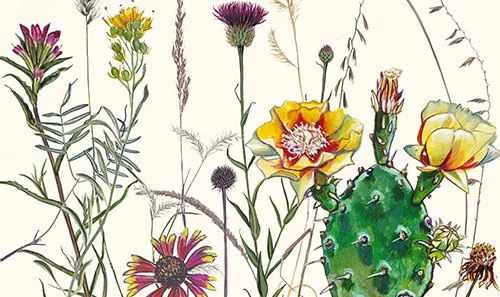
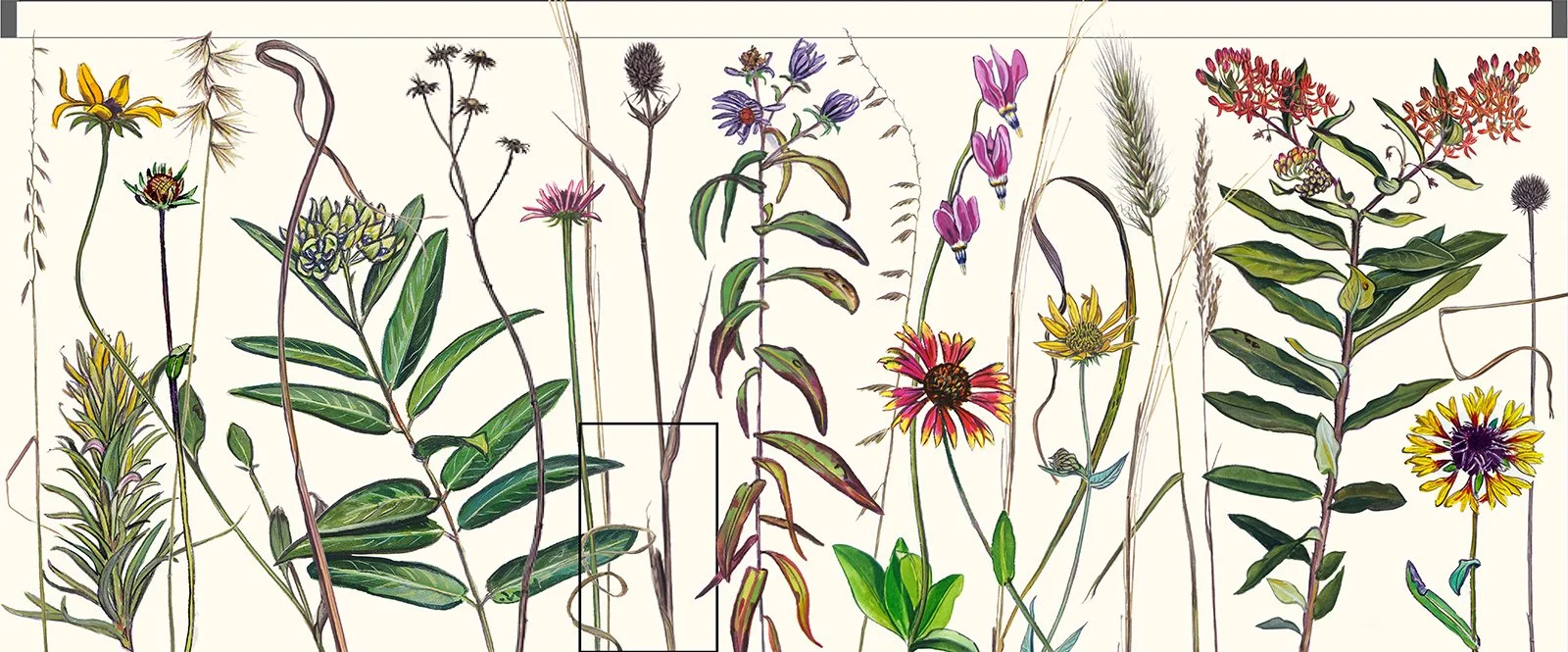
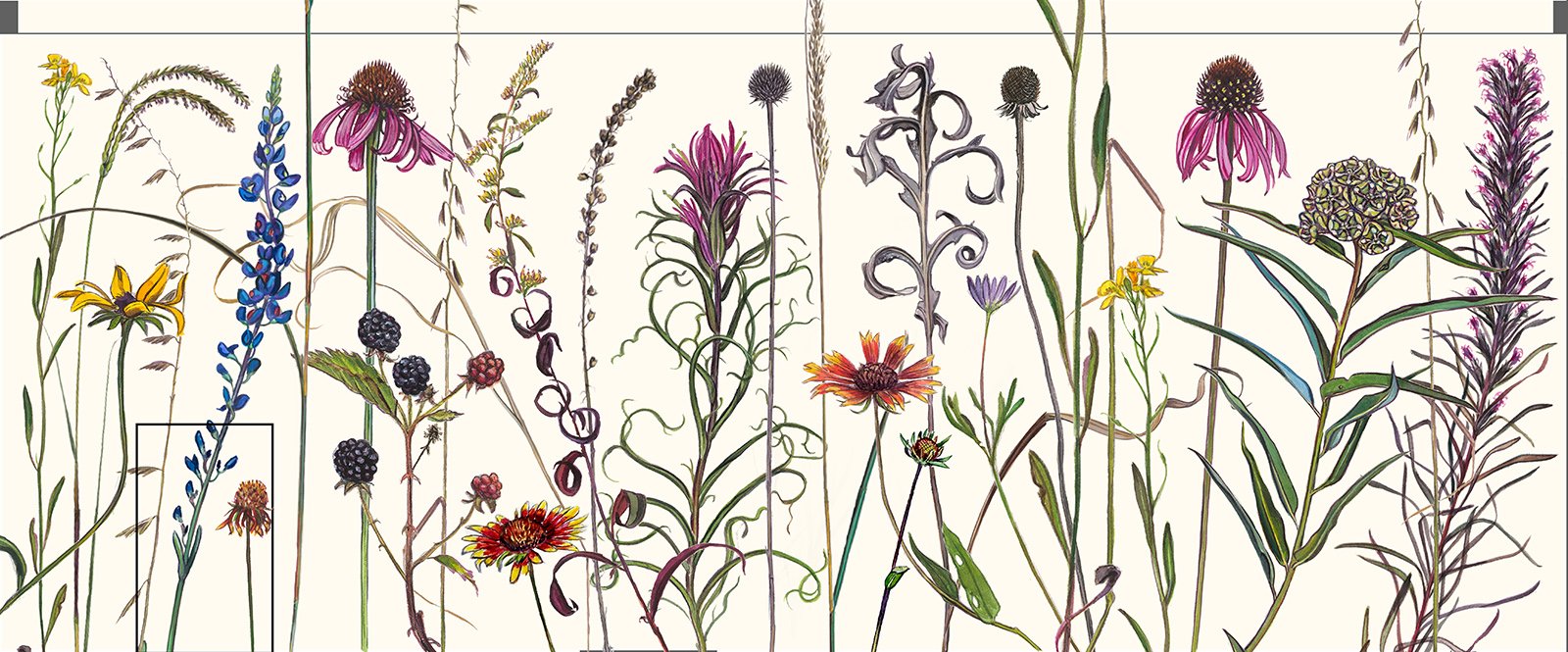
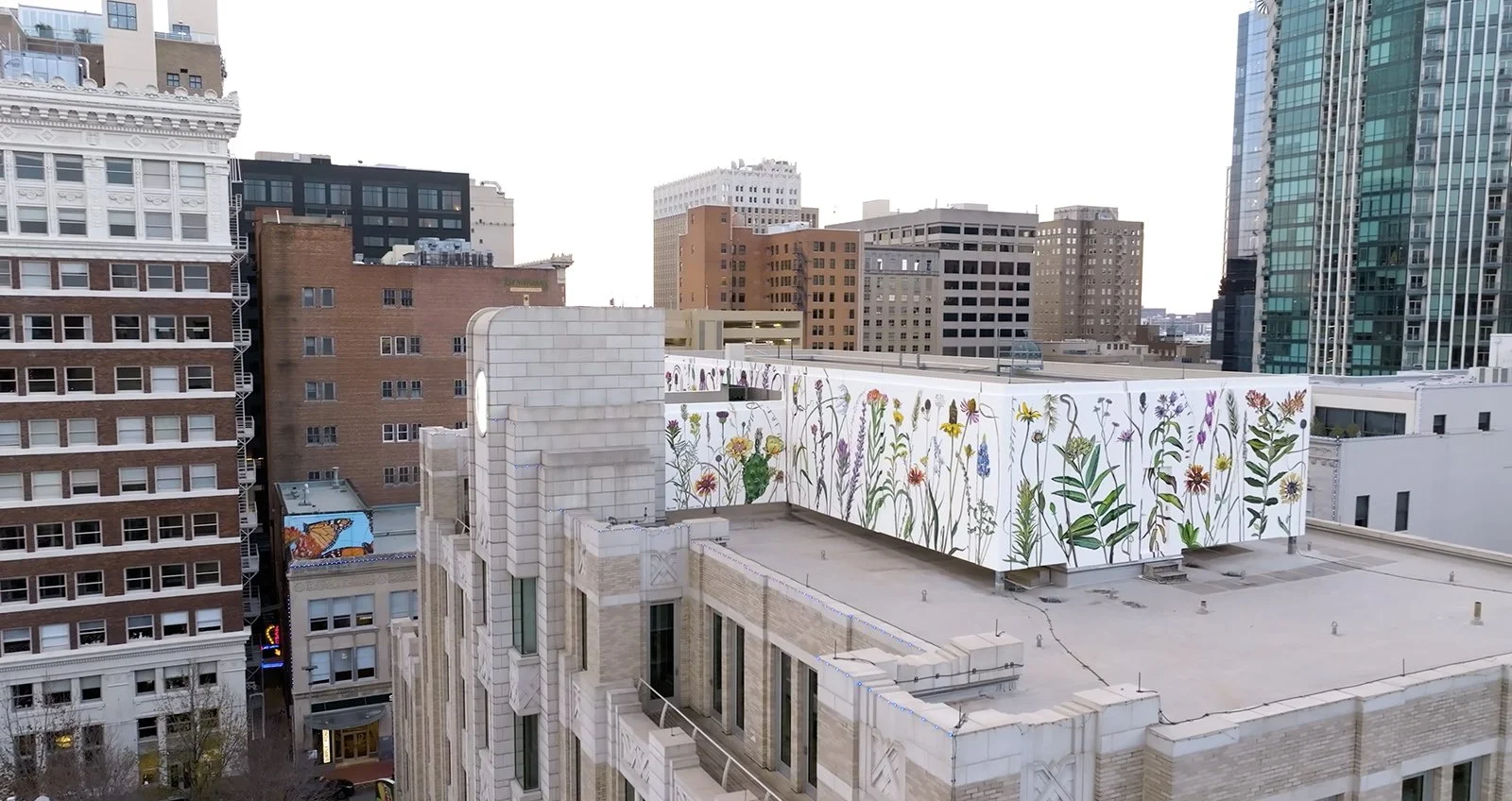
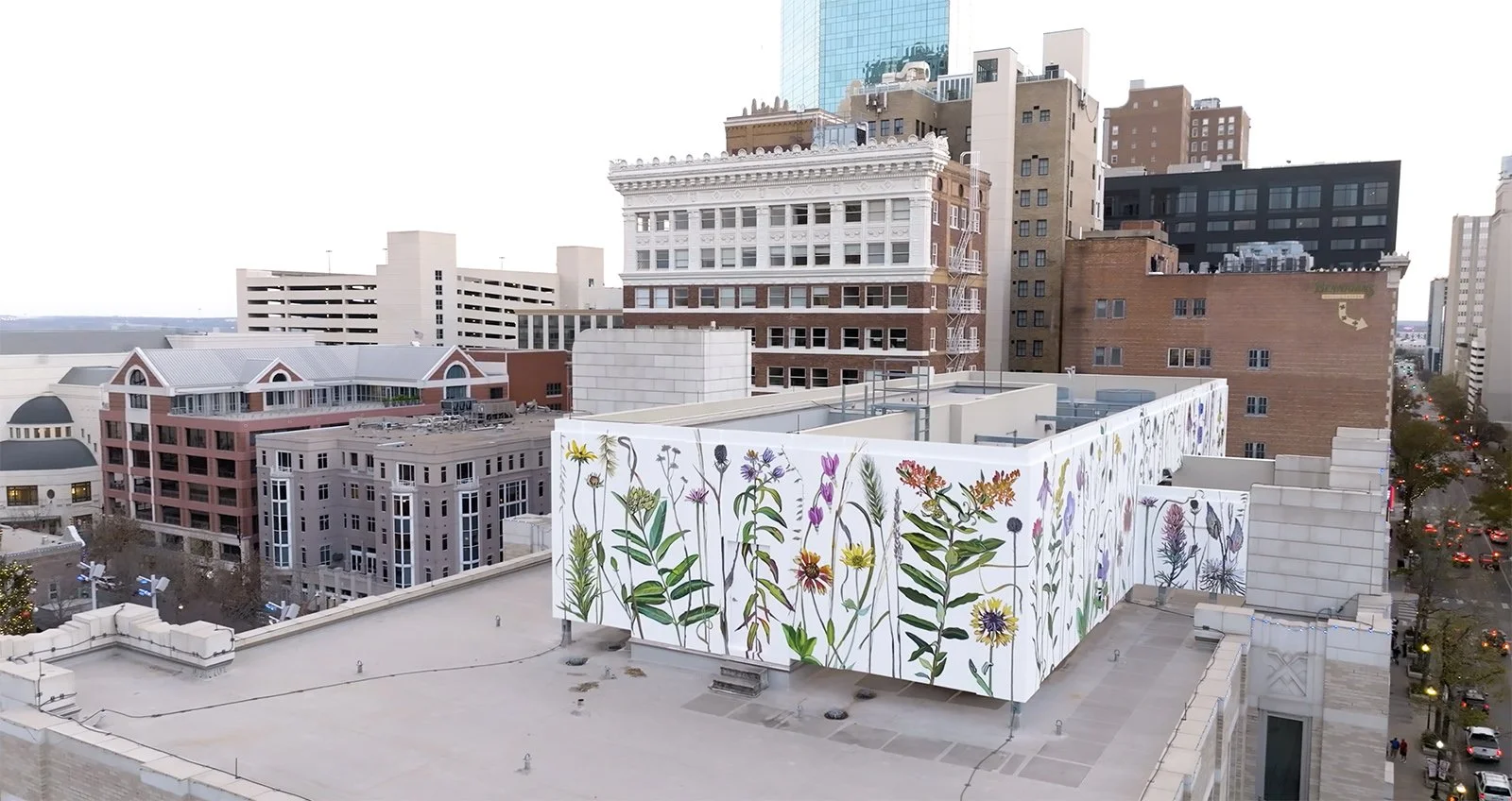
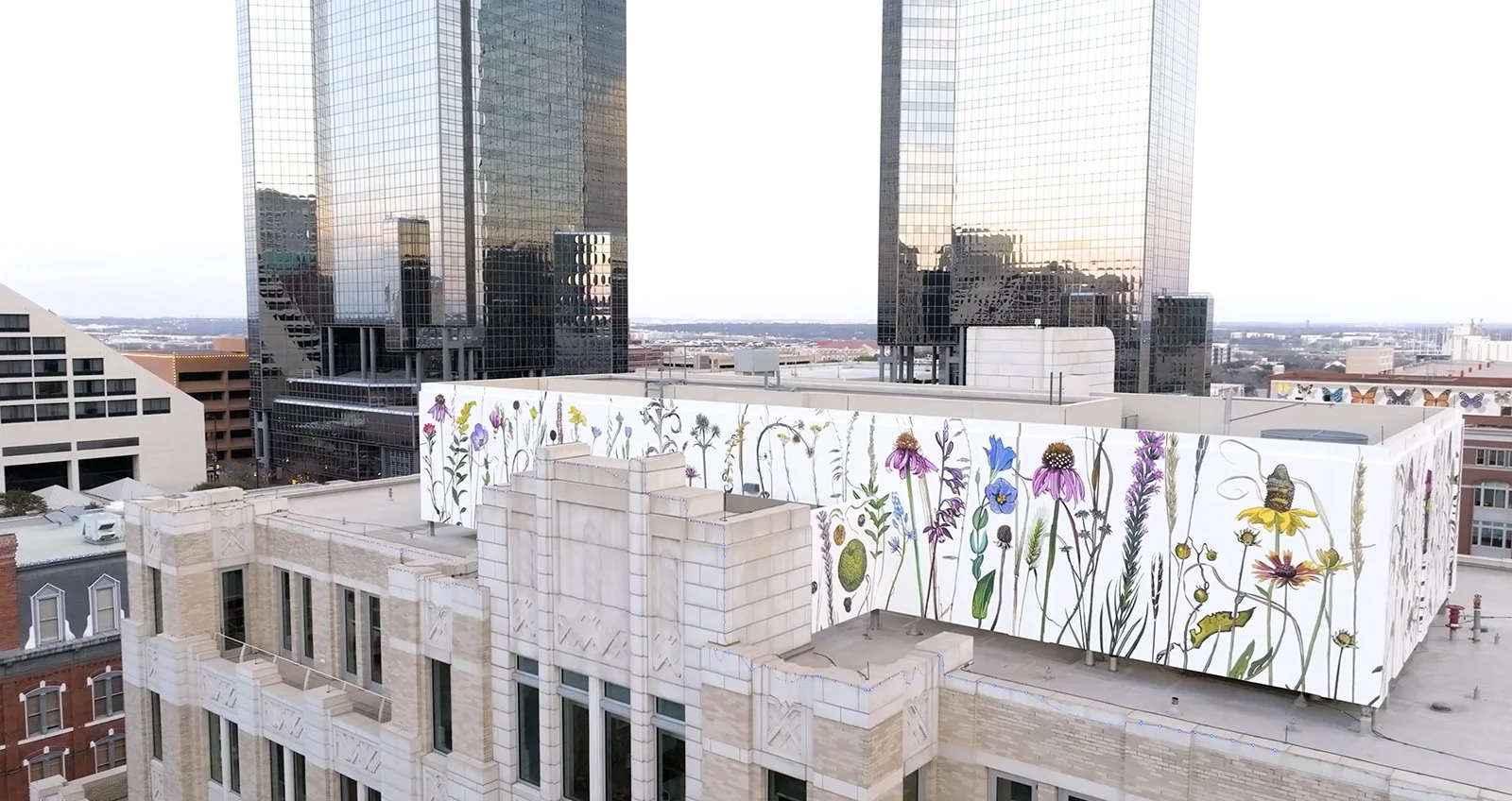
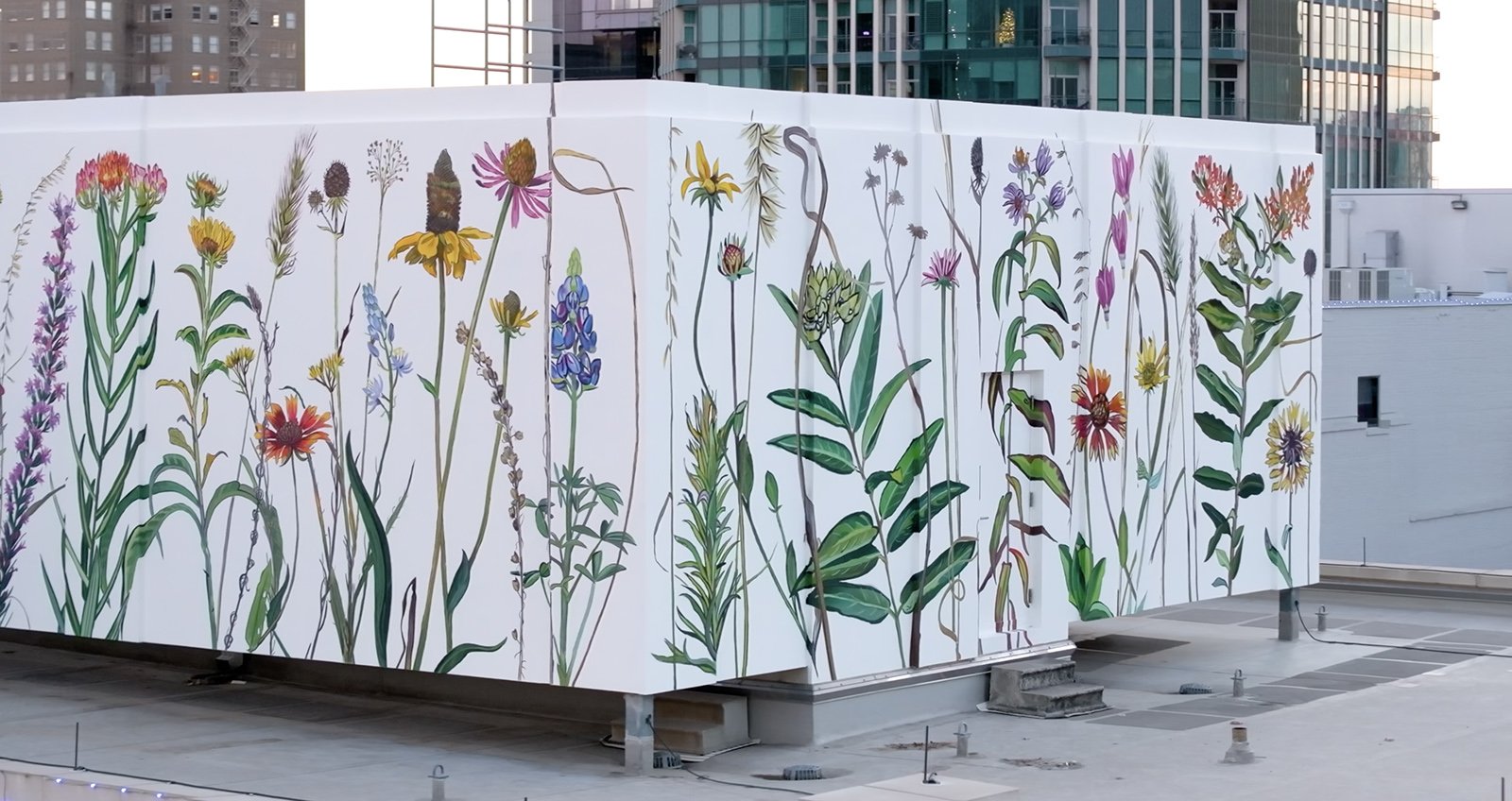
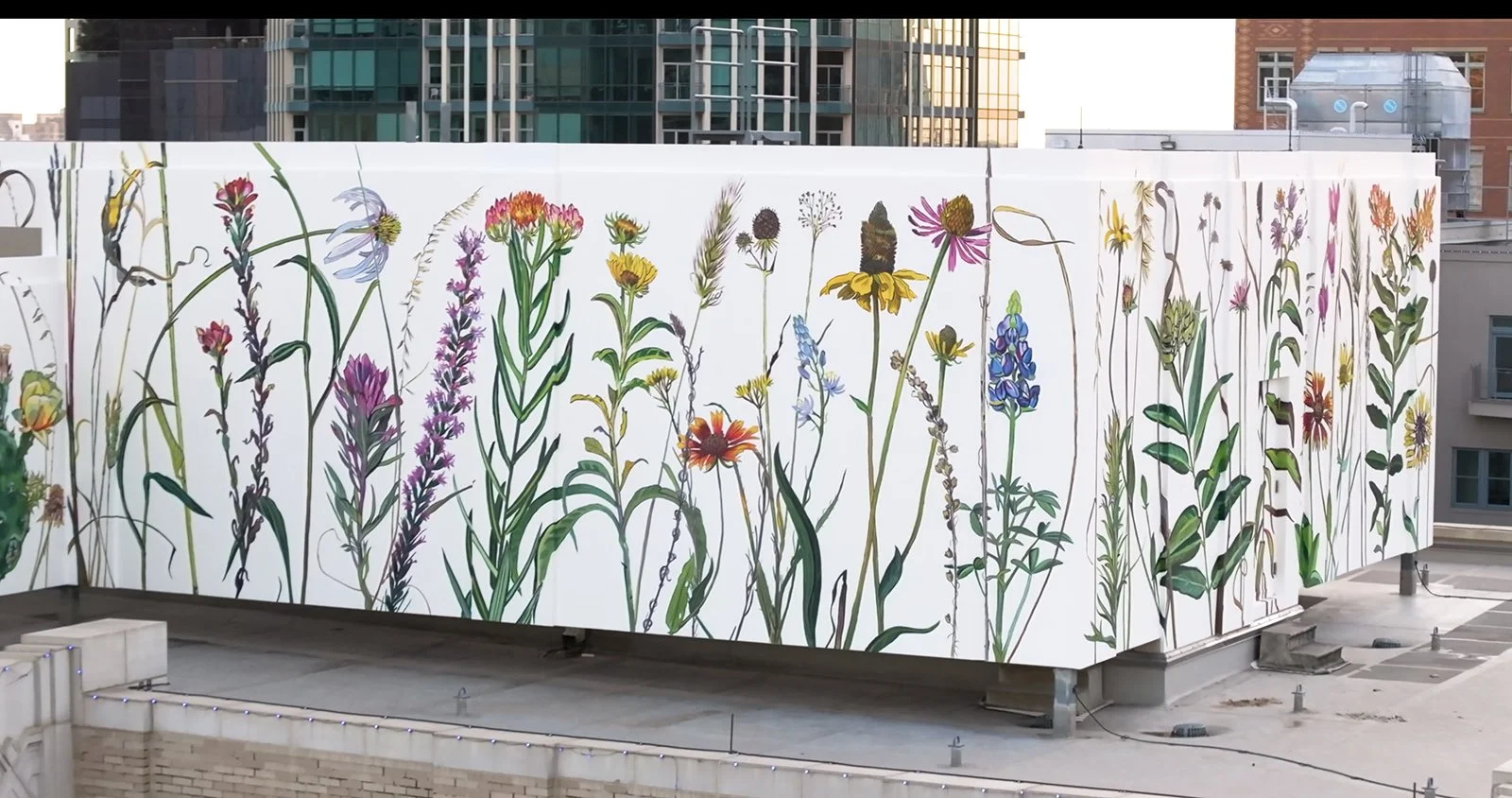
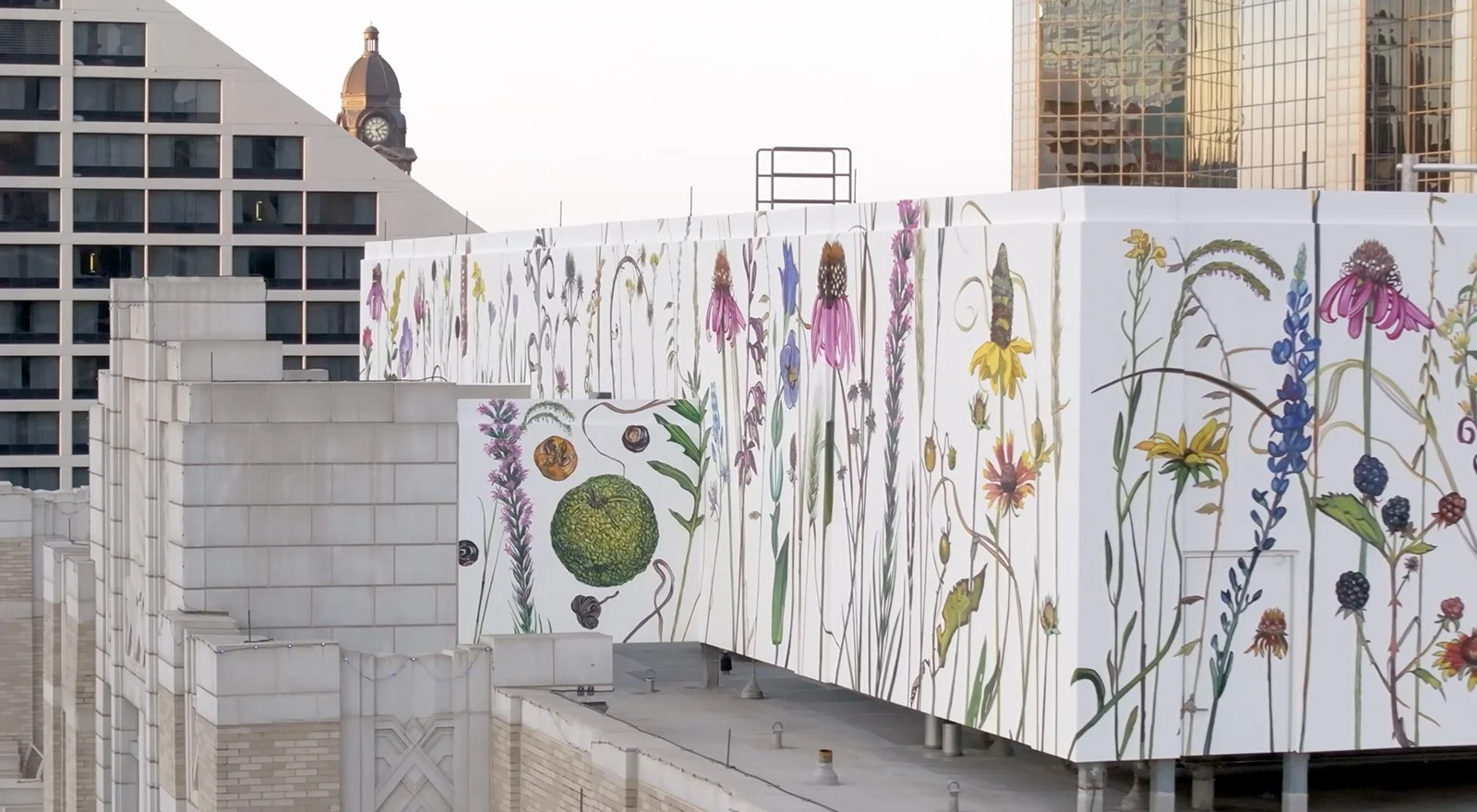
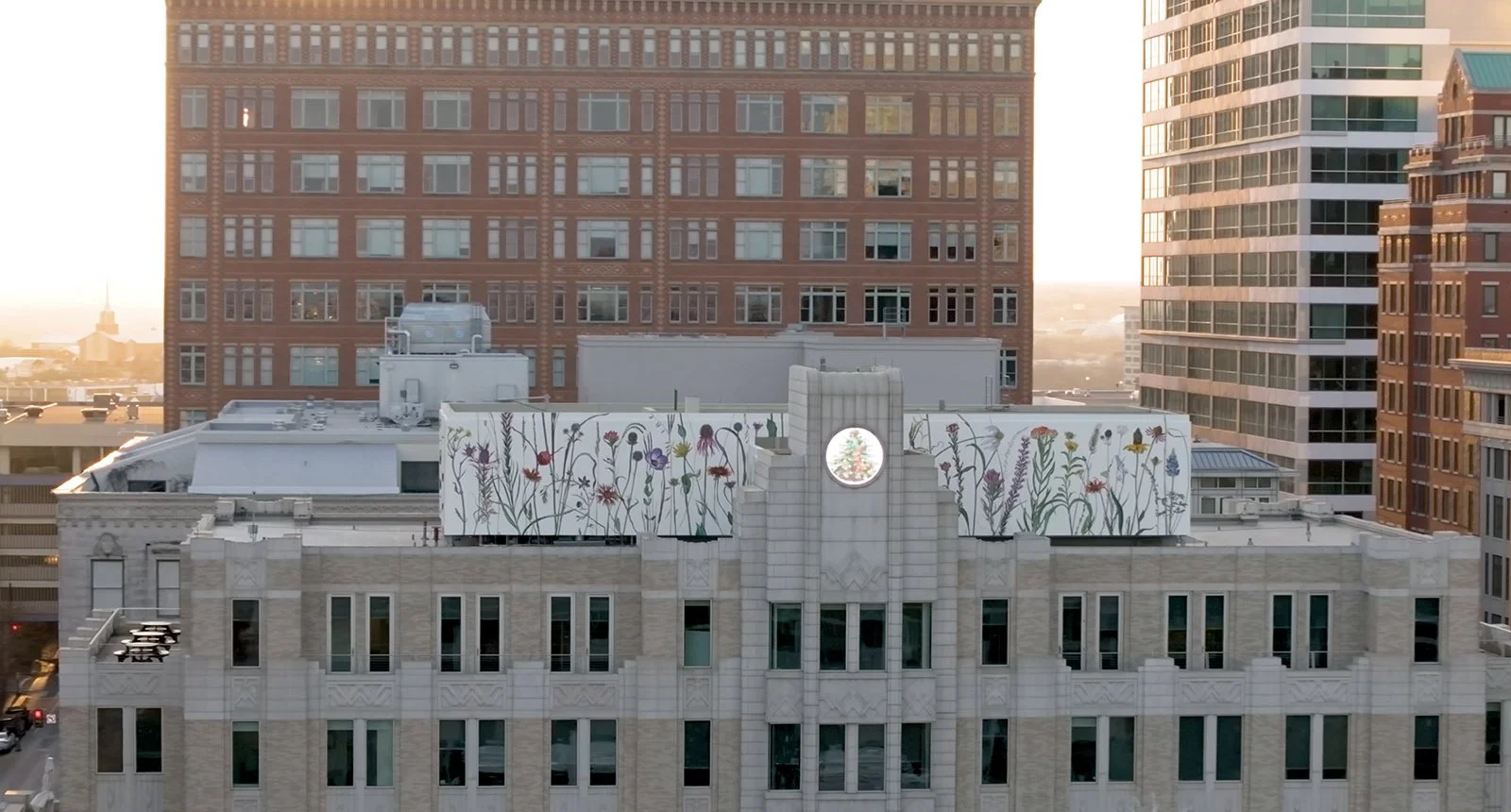
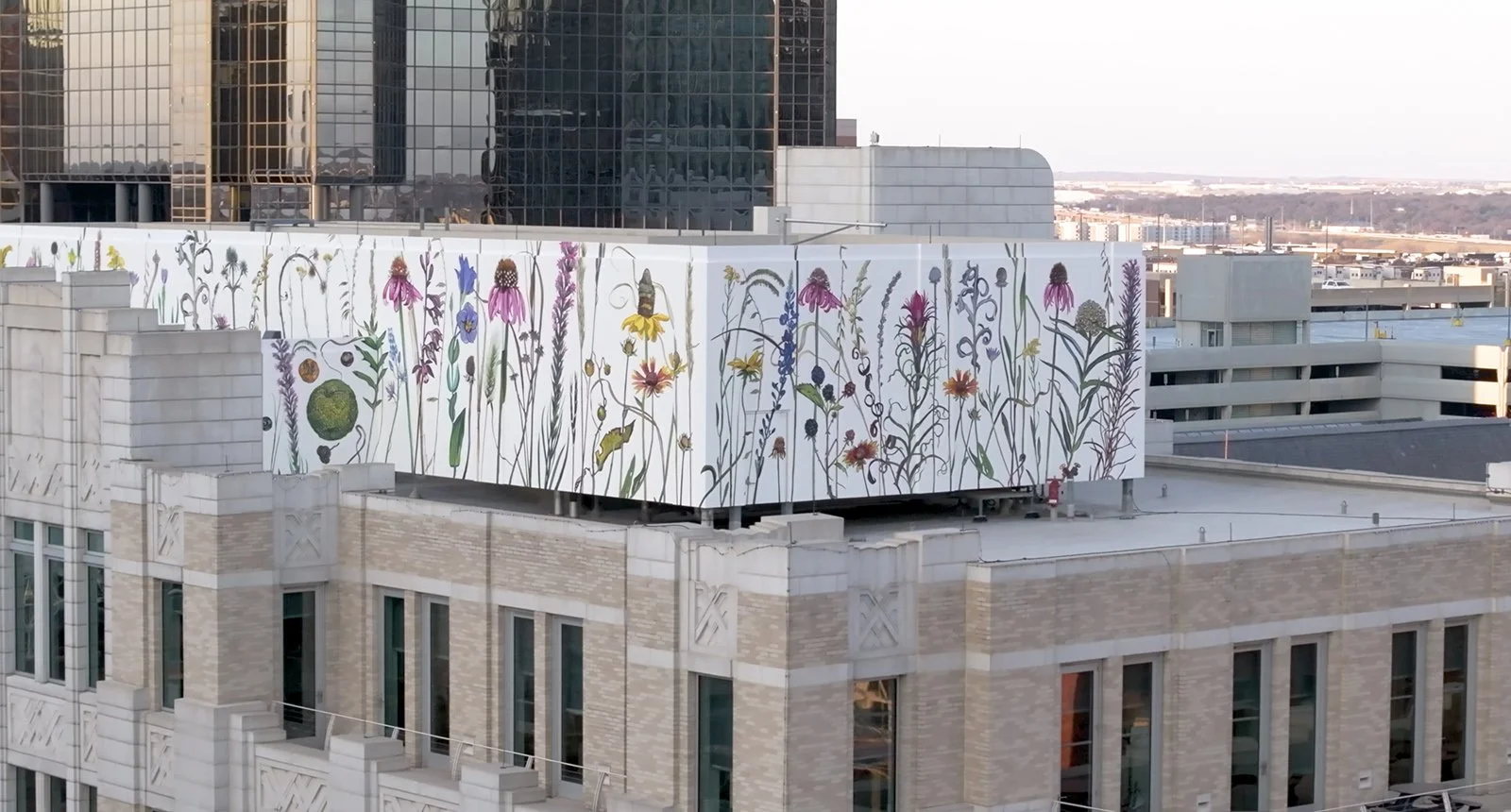
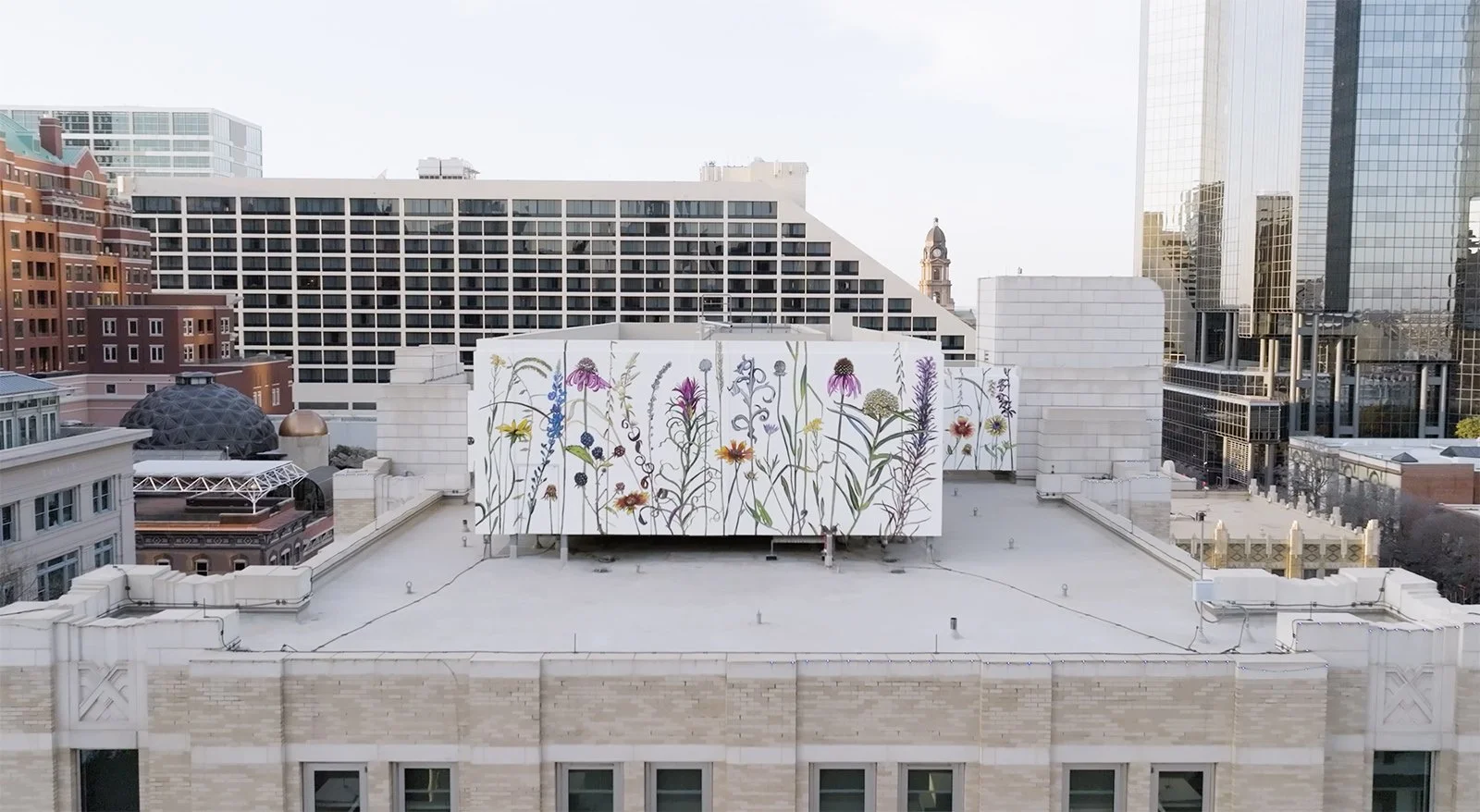
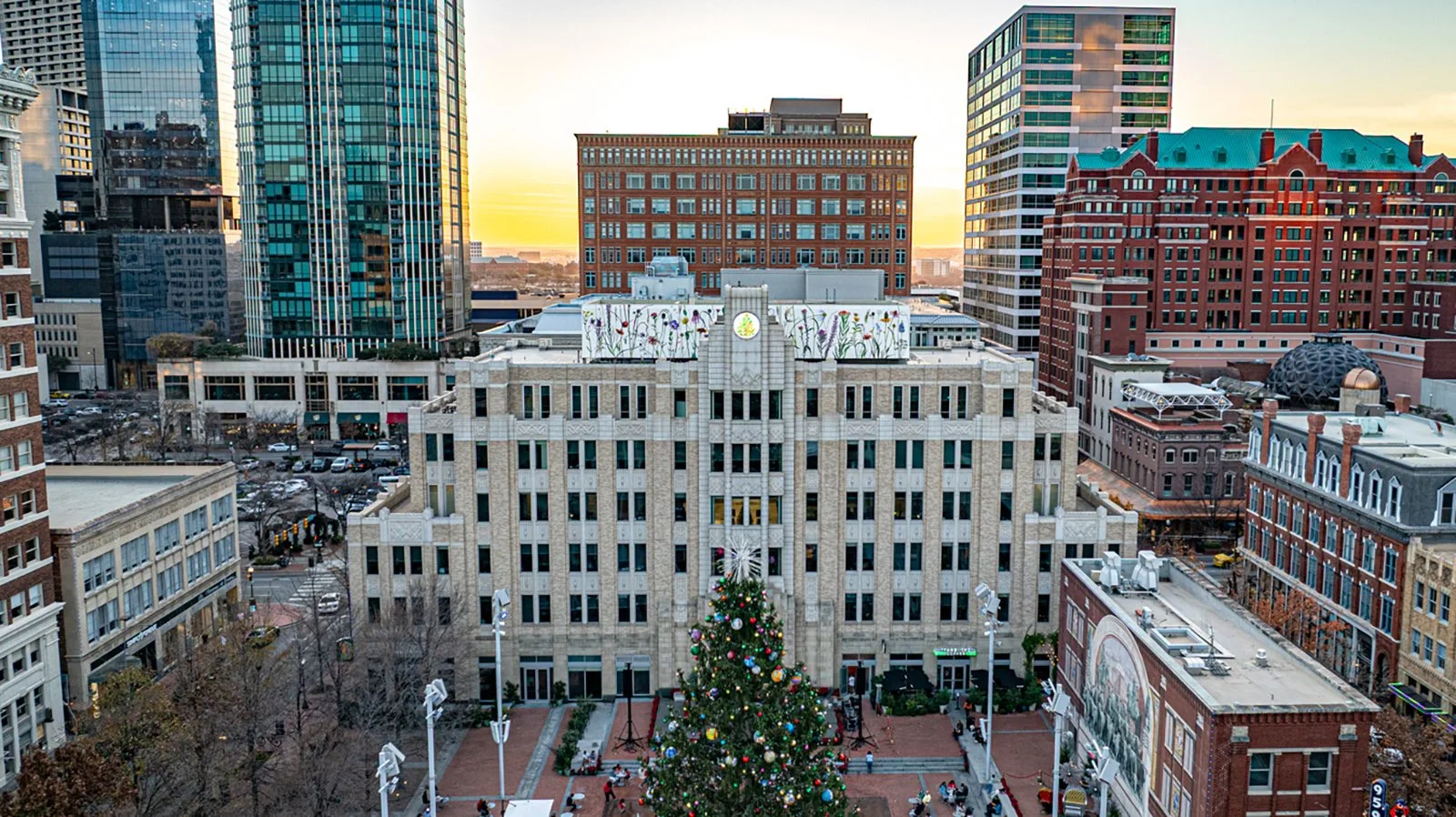
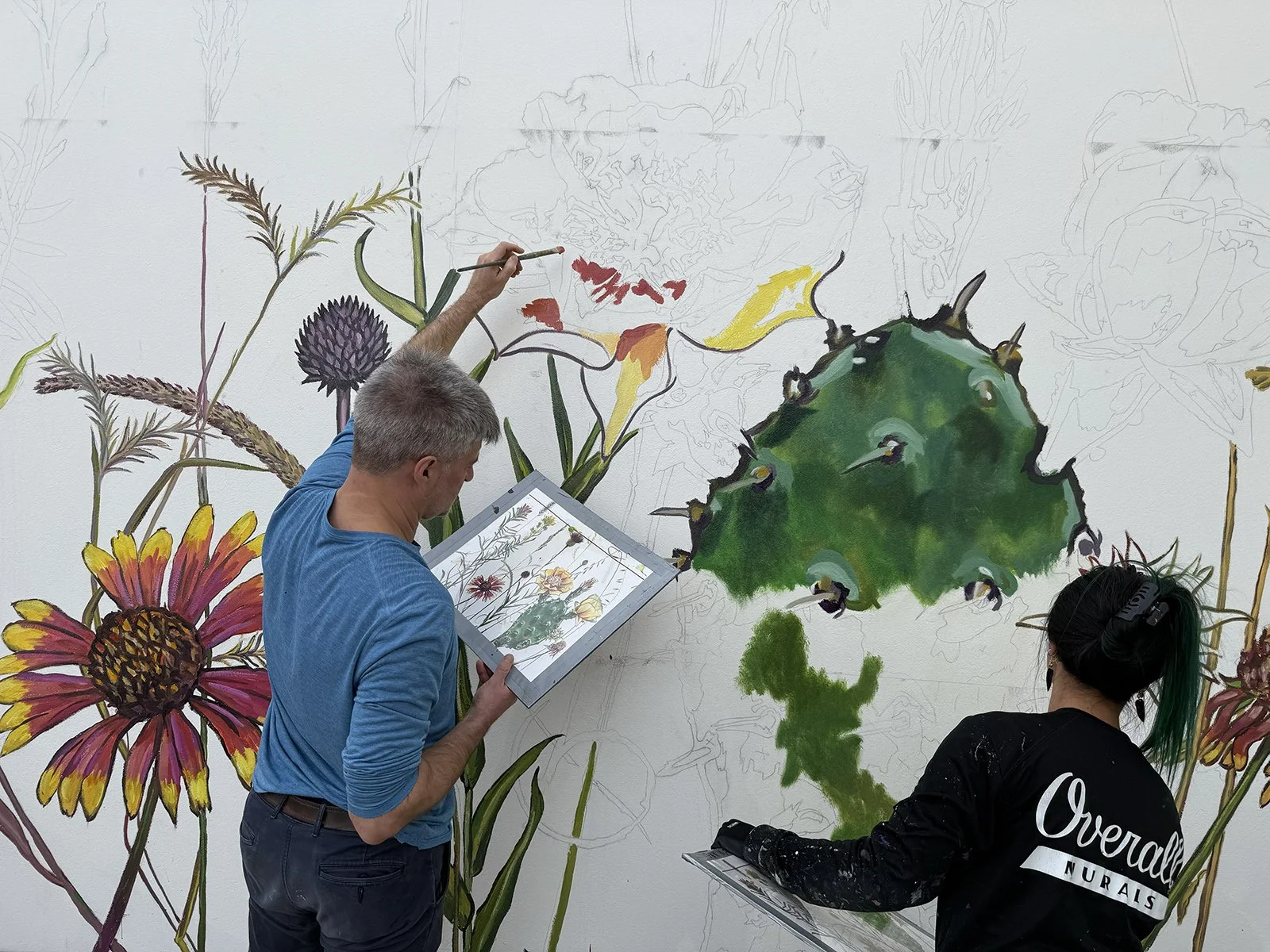
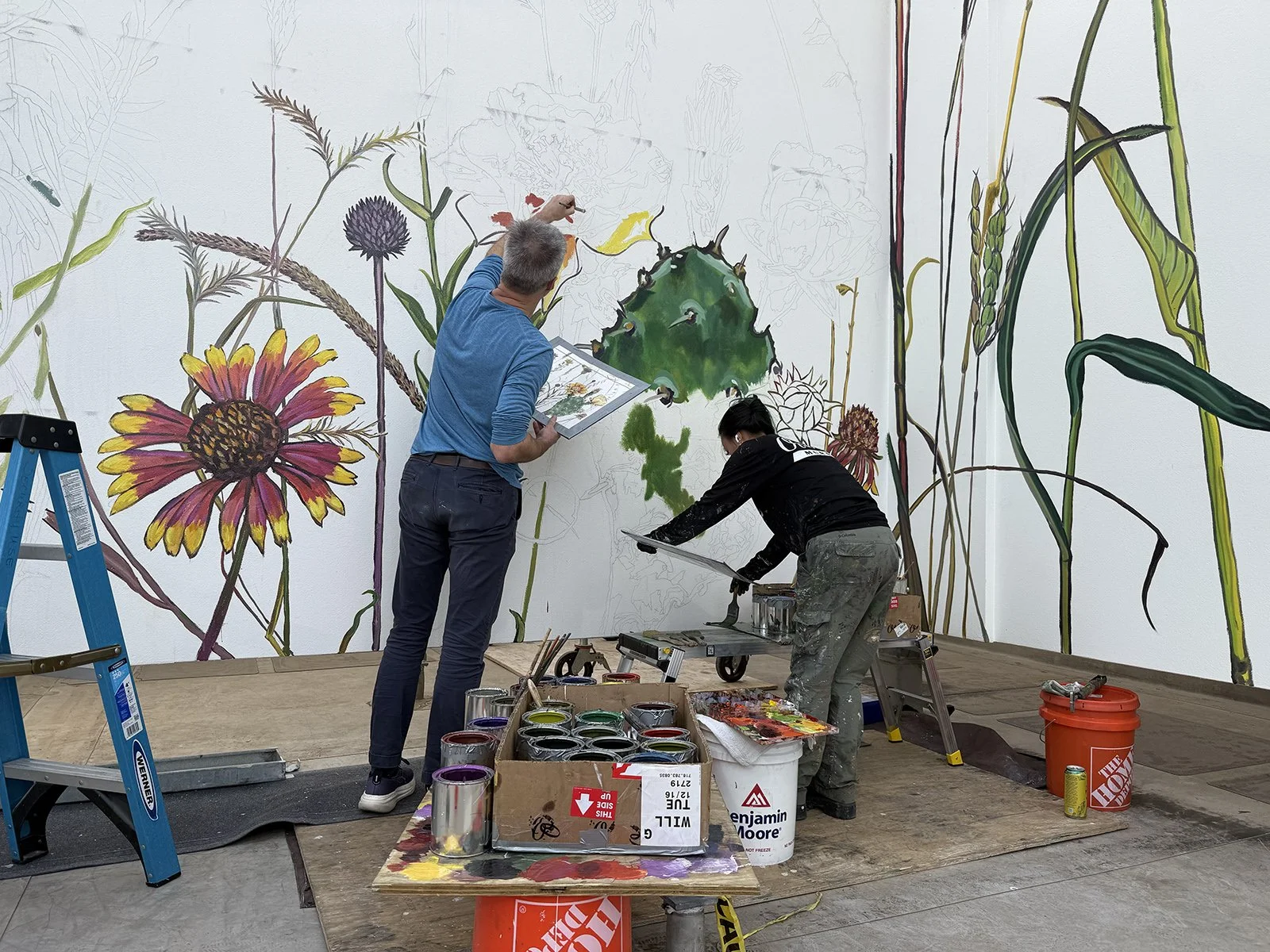
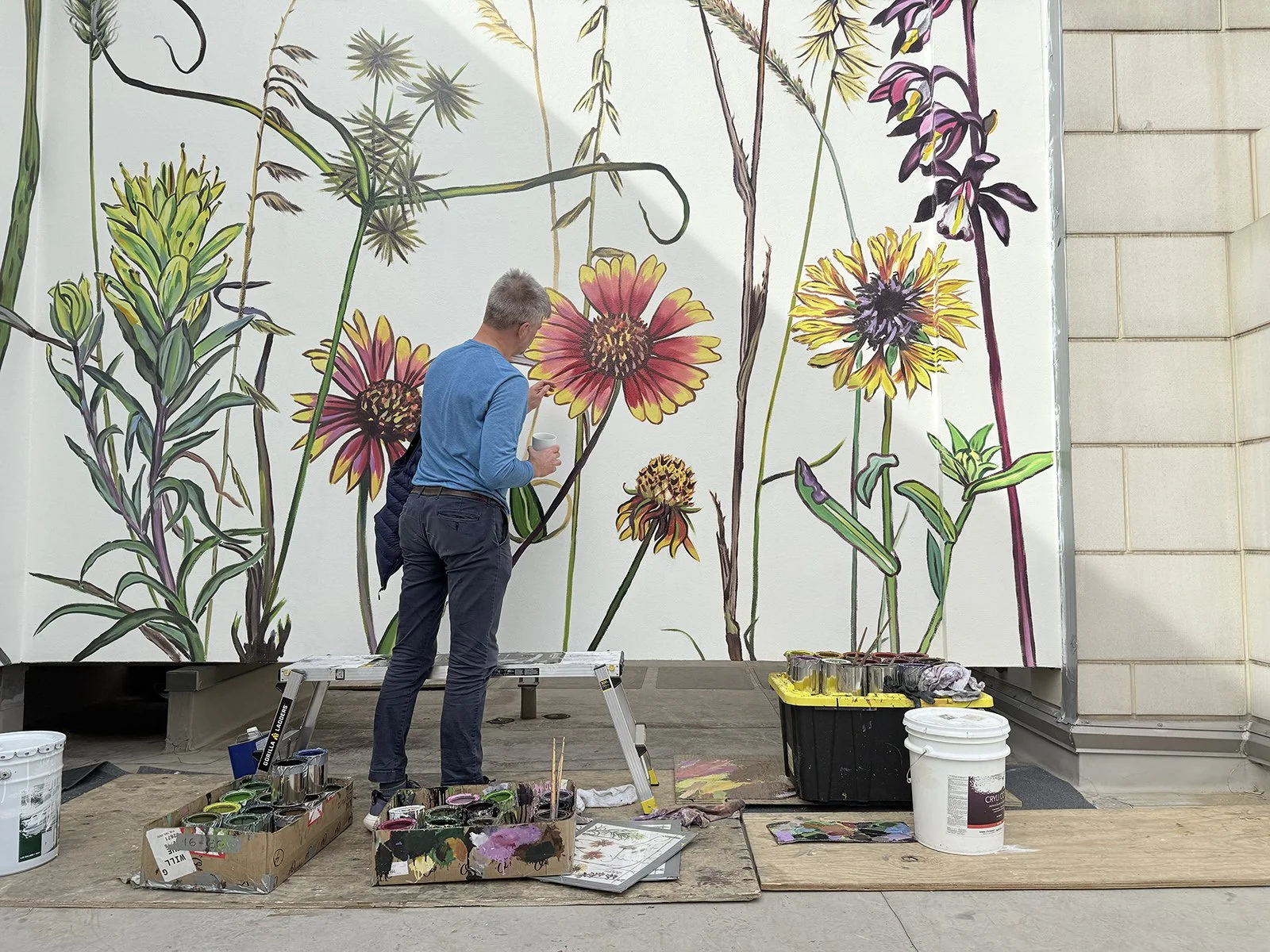
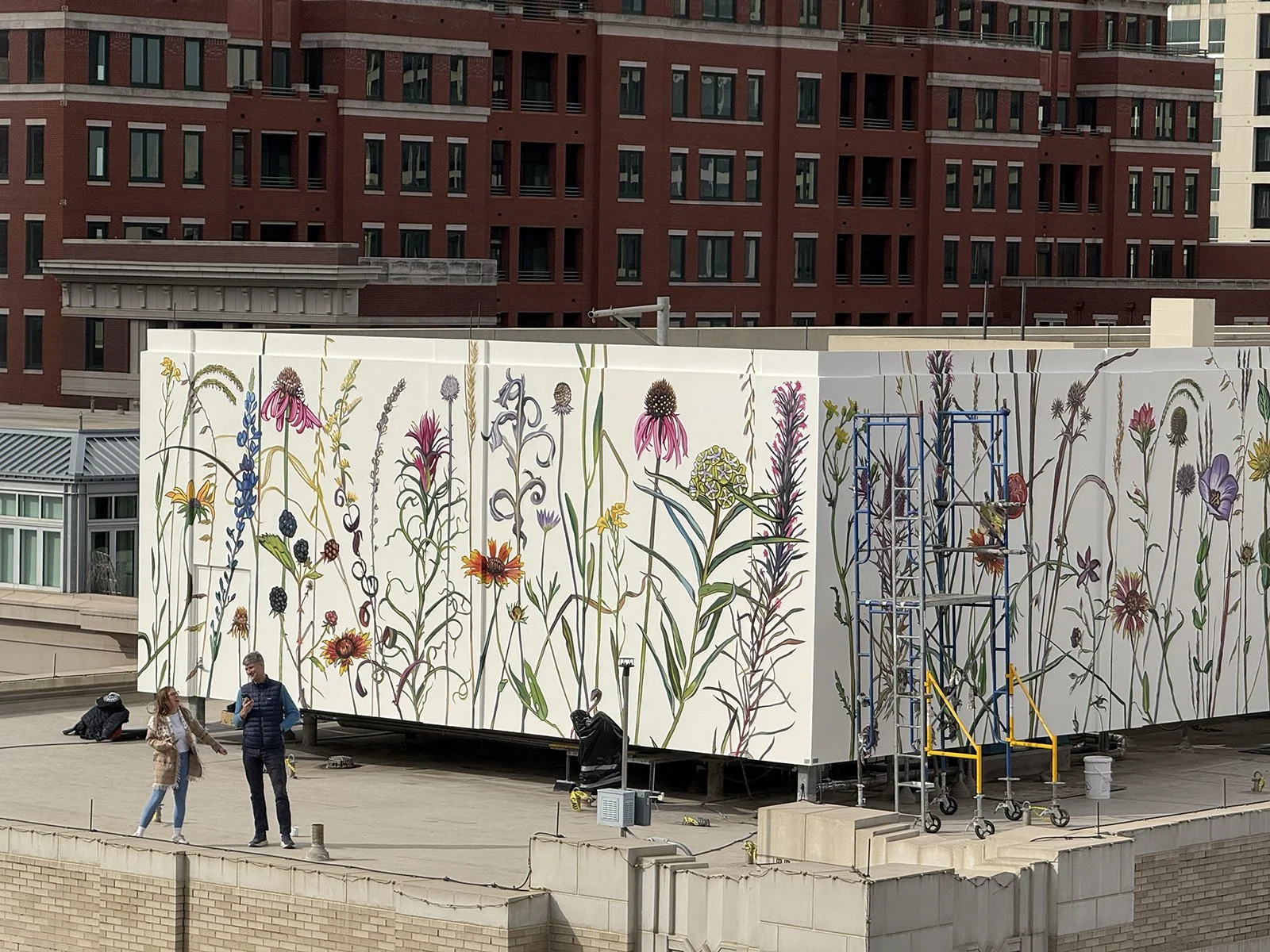
In Fort Worth, artist James Prosek created what is now the largest prairie mural in the world—a hand-painted work spanning 300 feet in length and 15 feet in height, covering roughly 5,000 square feet atop The Westbrook, a Deco Revivalist building in Sundance Square.
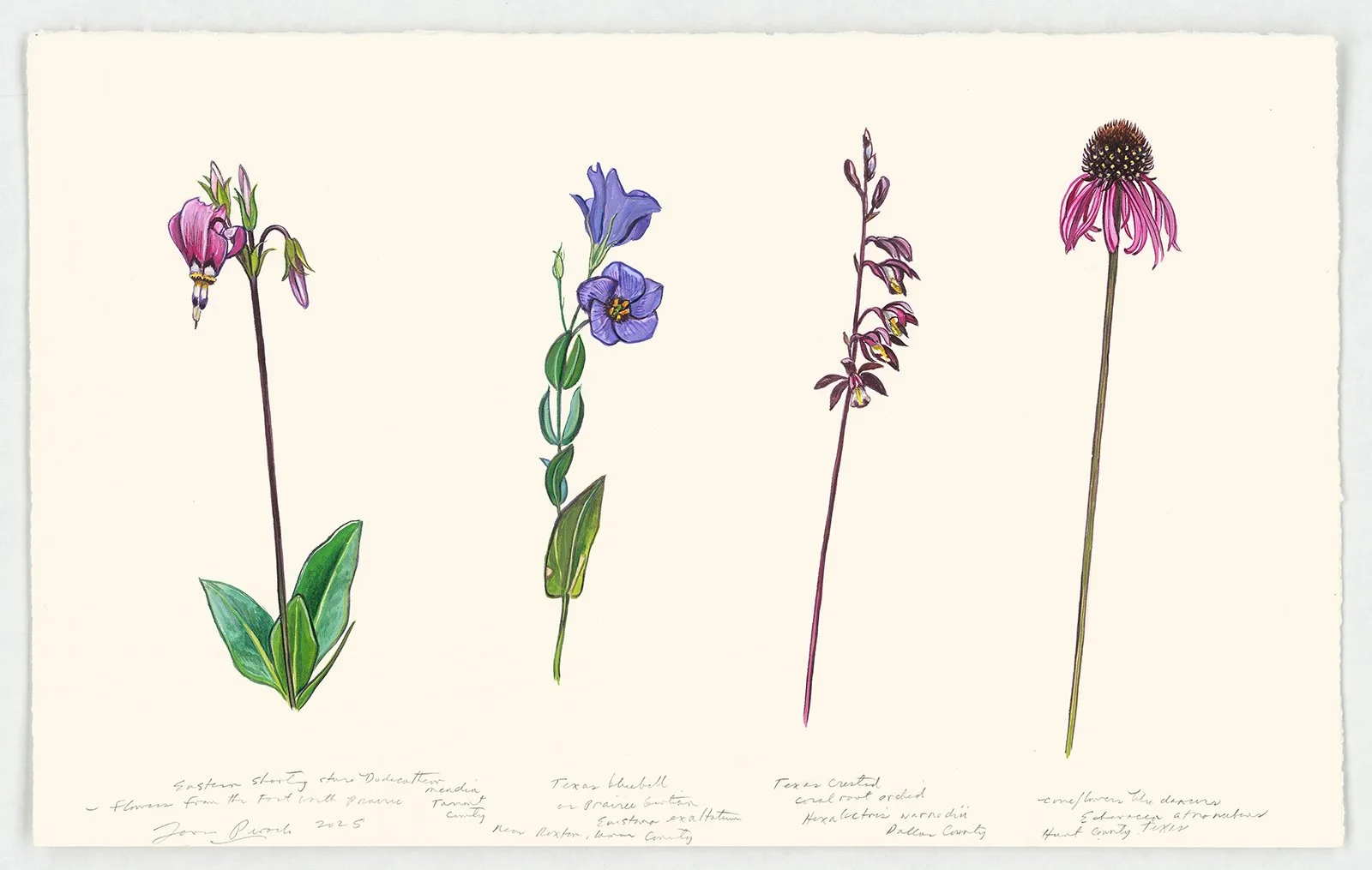
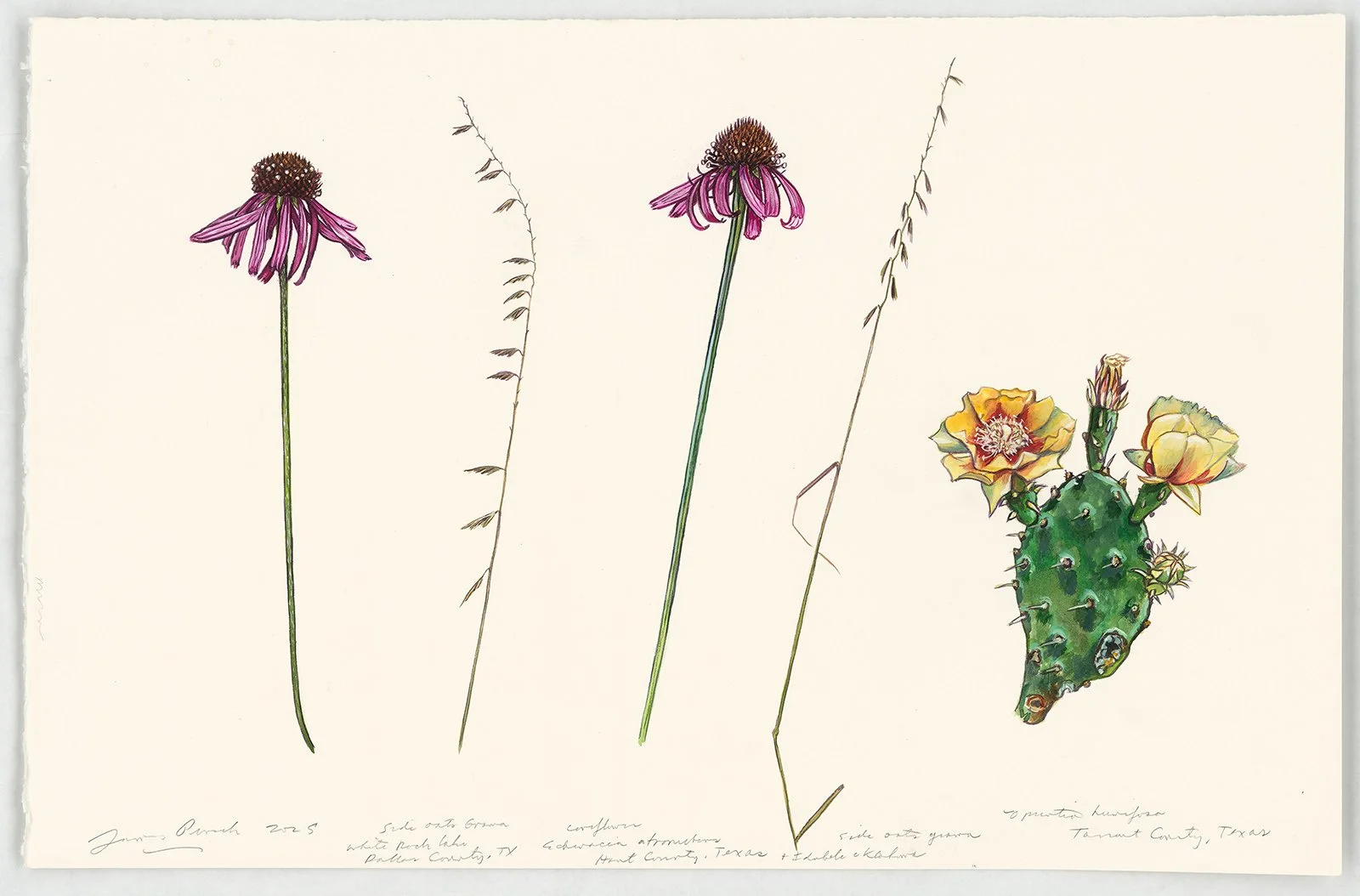
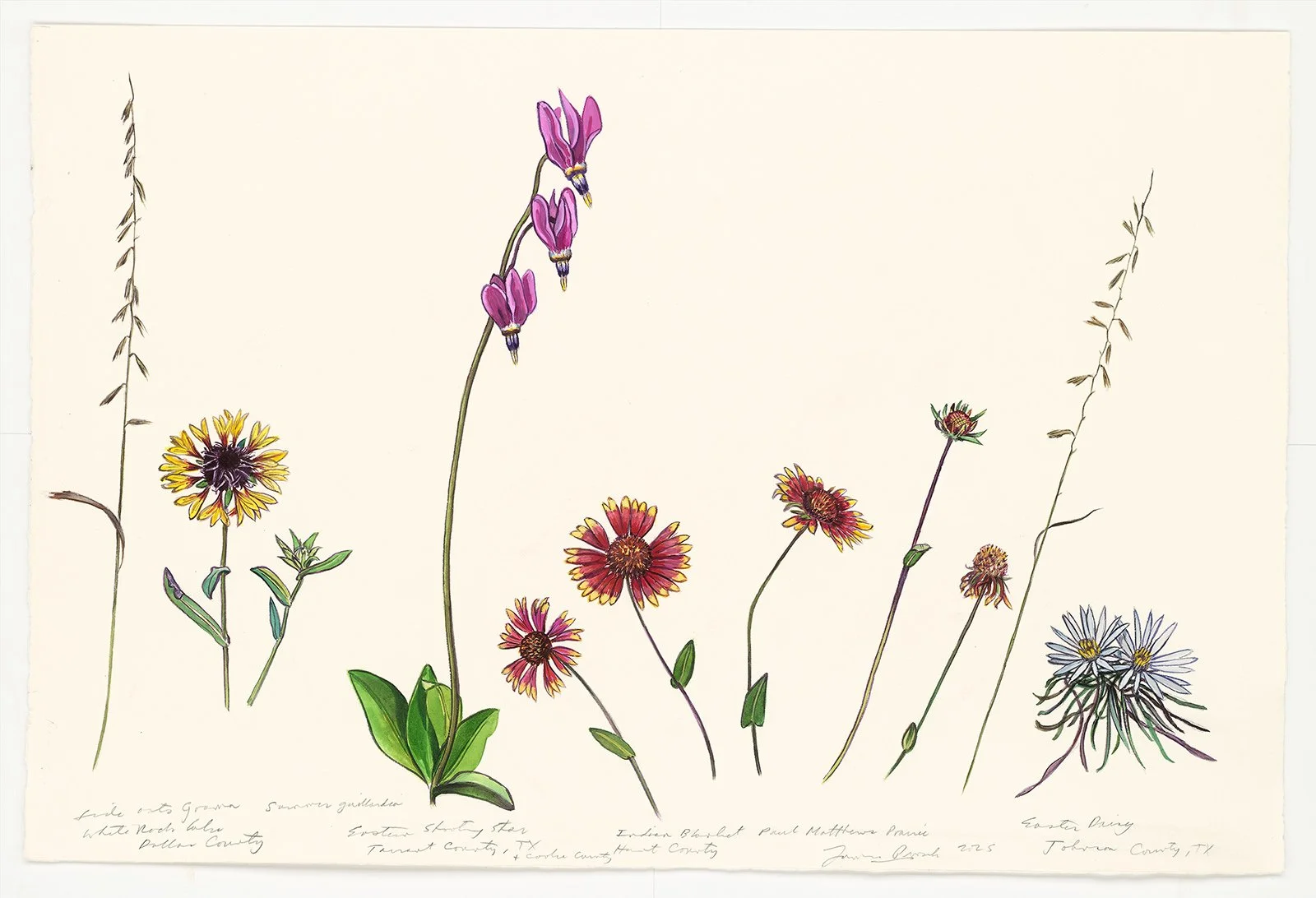
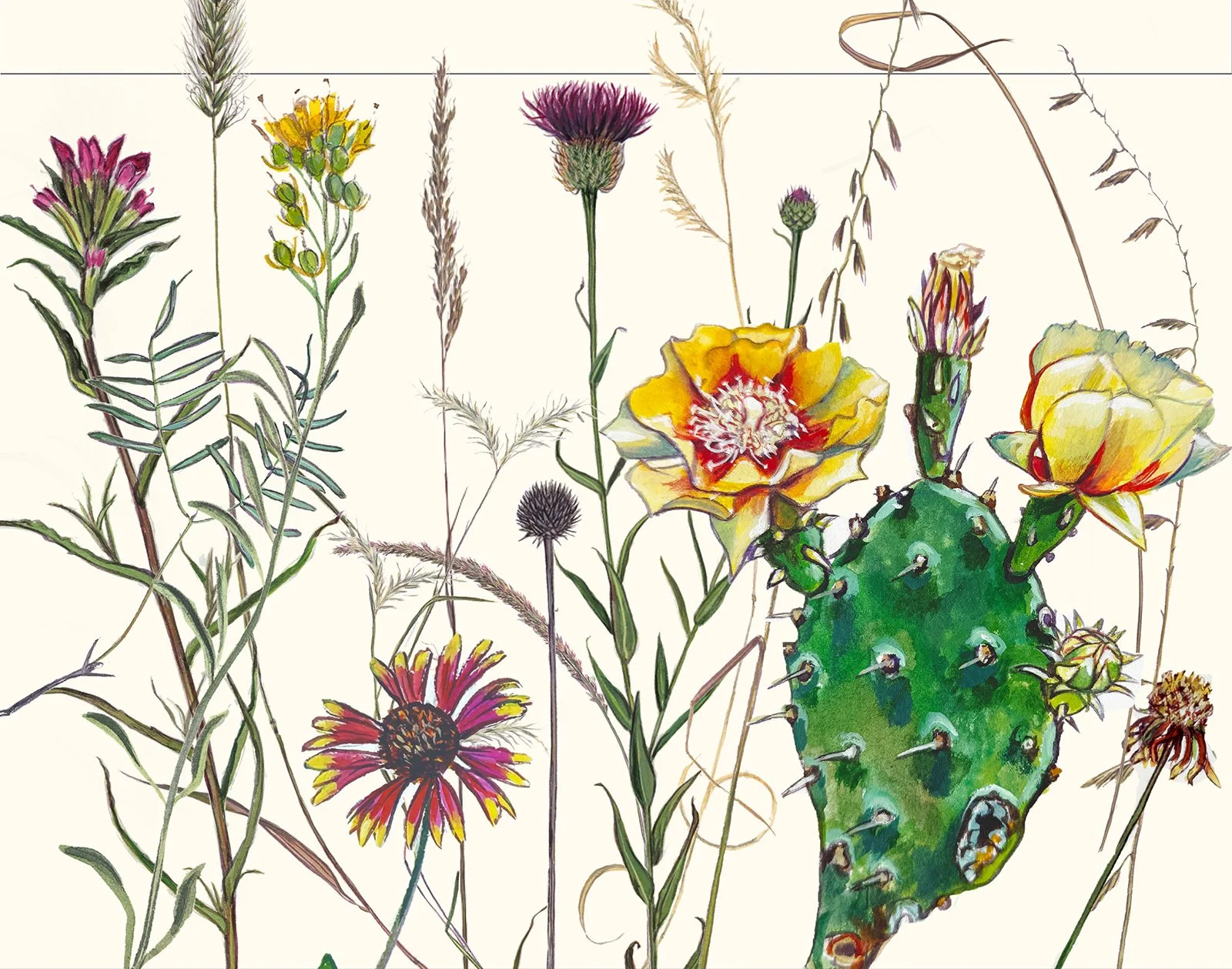
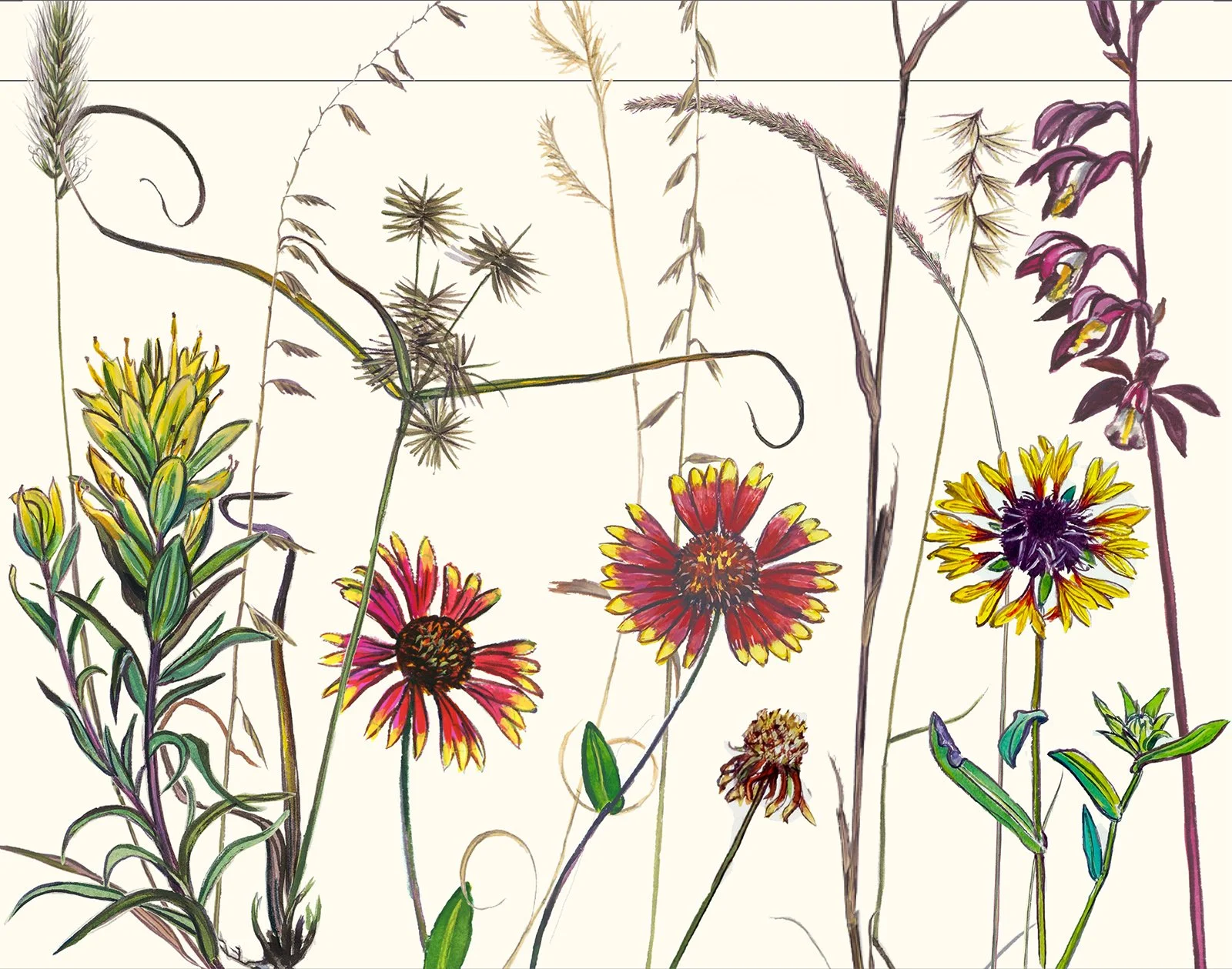
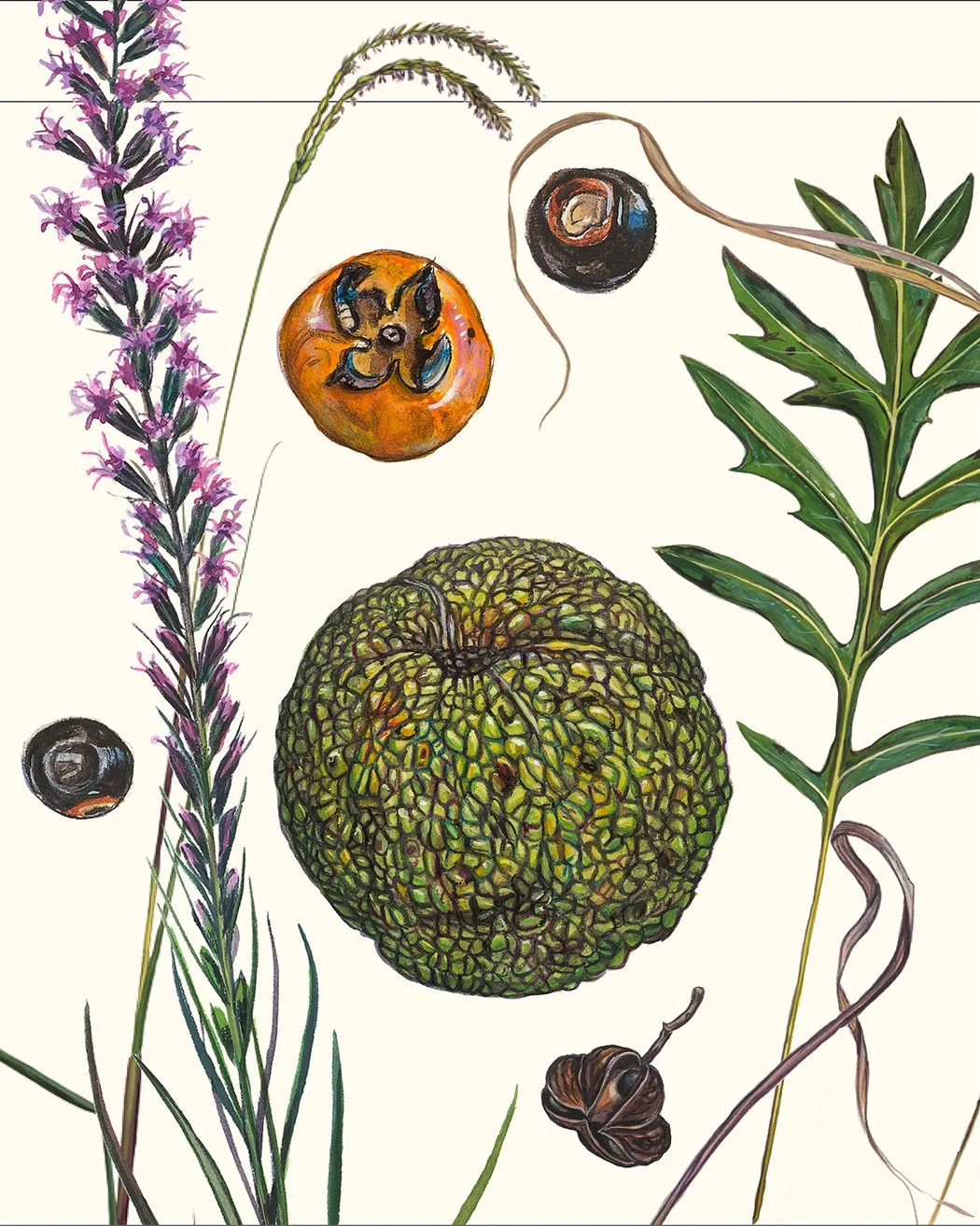
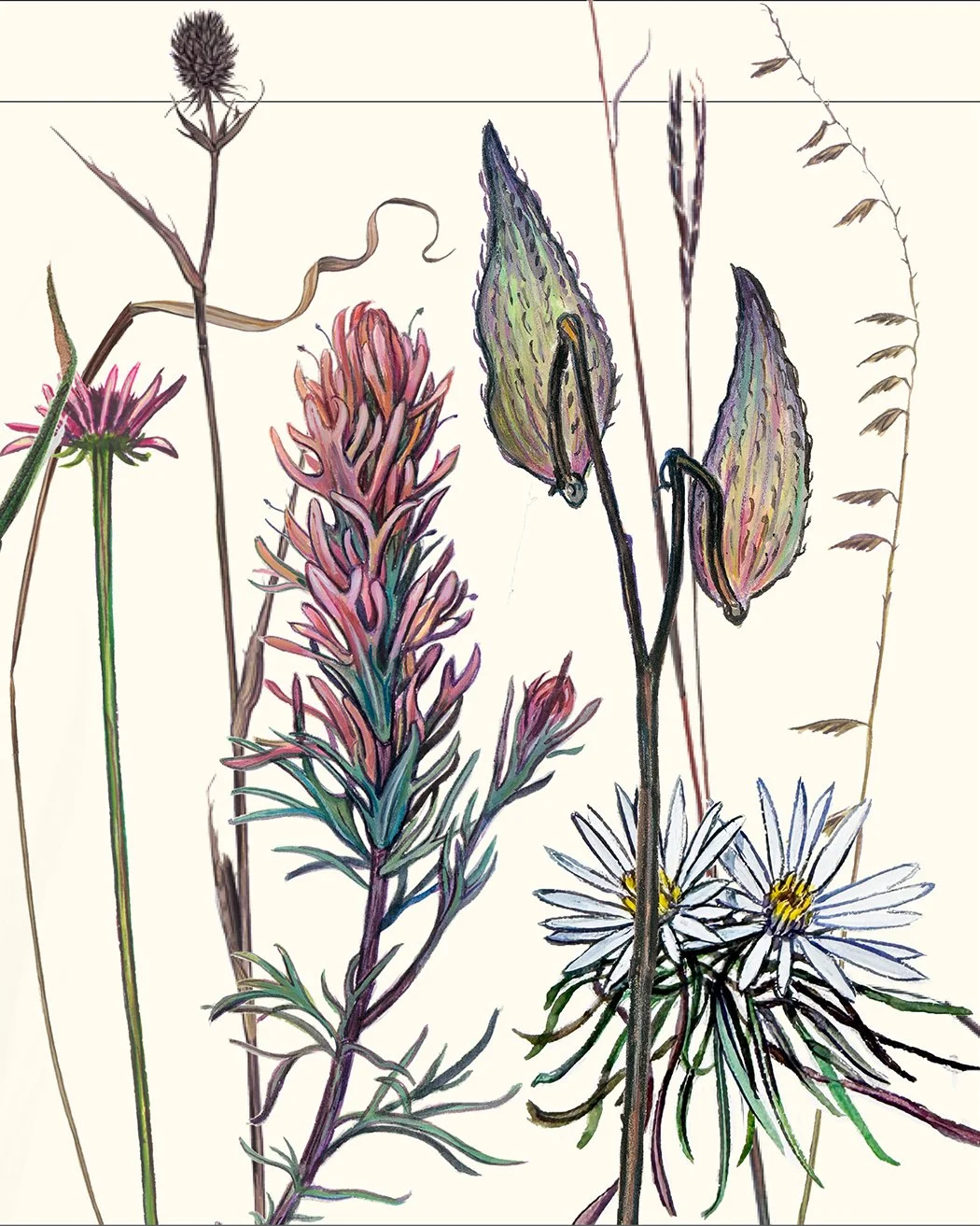
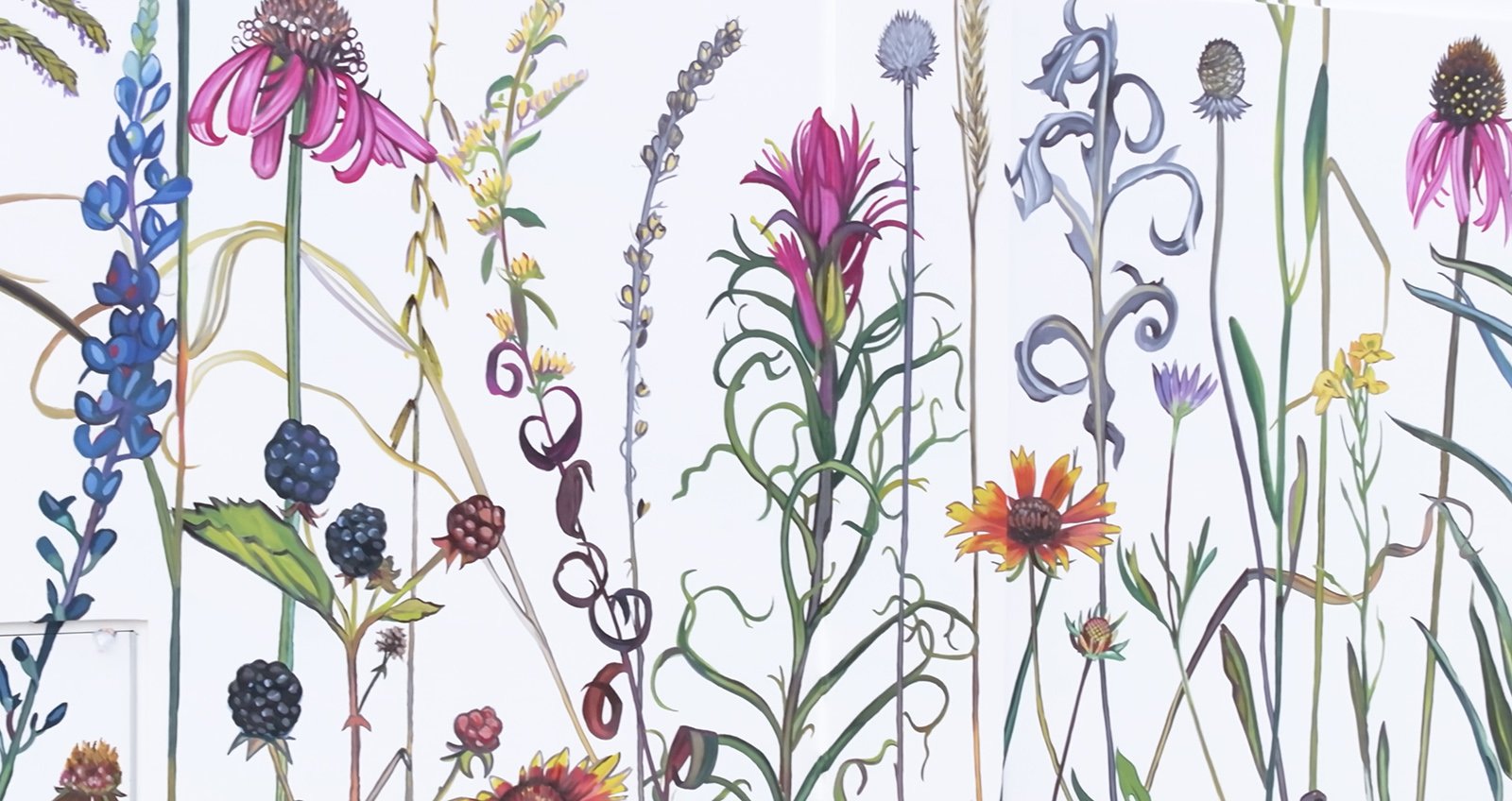
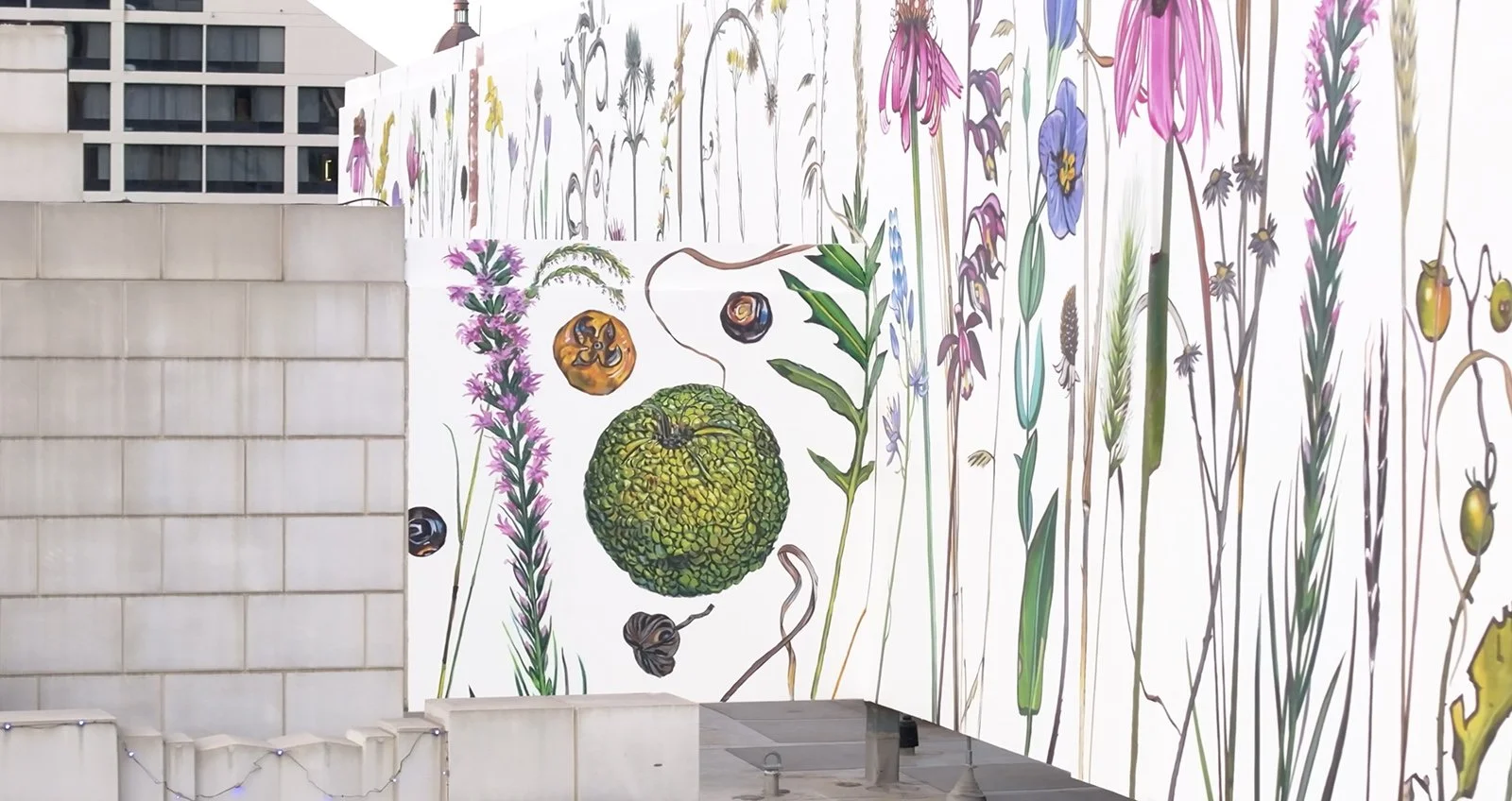
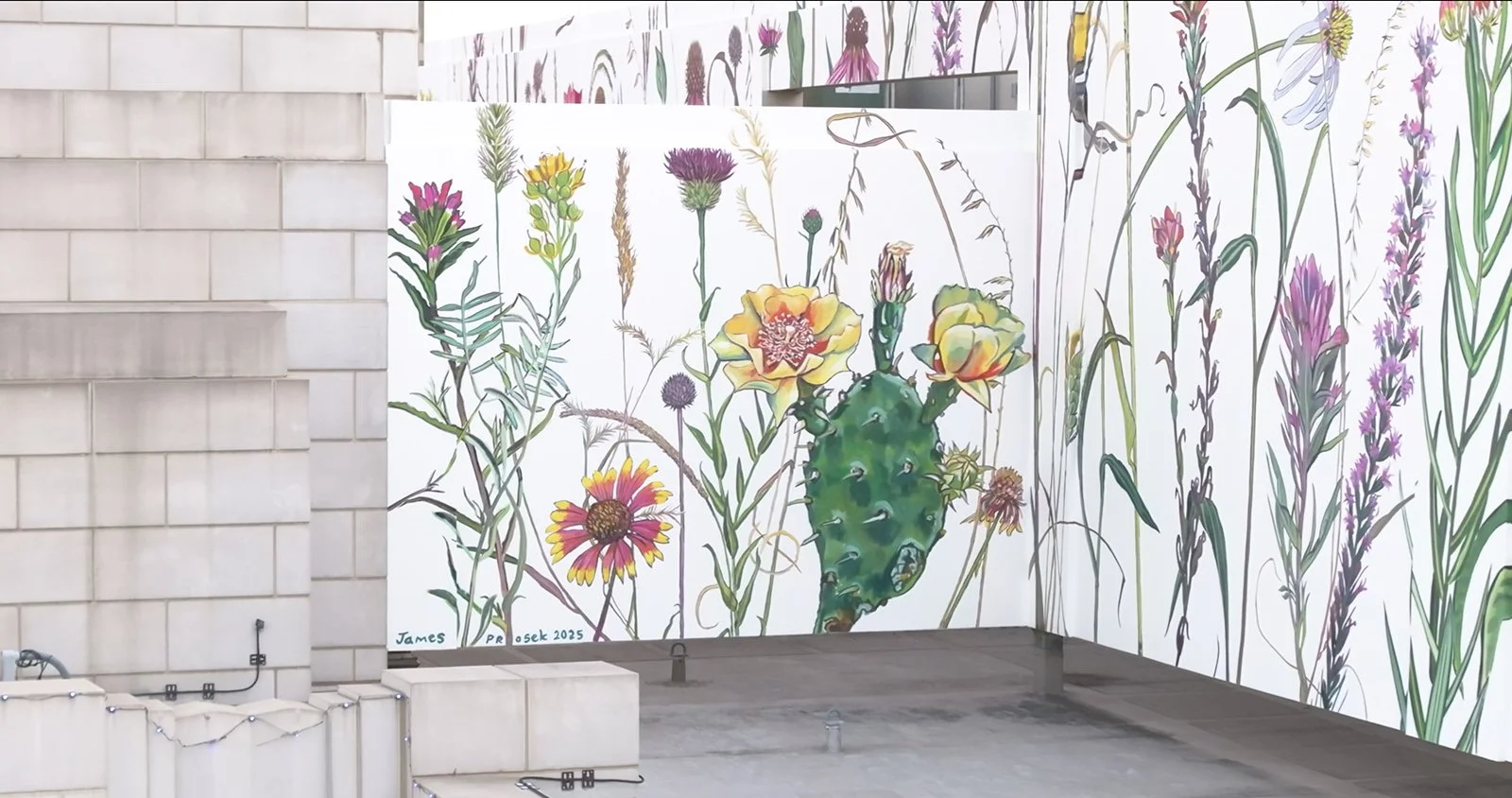
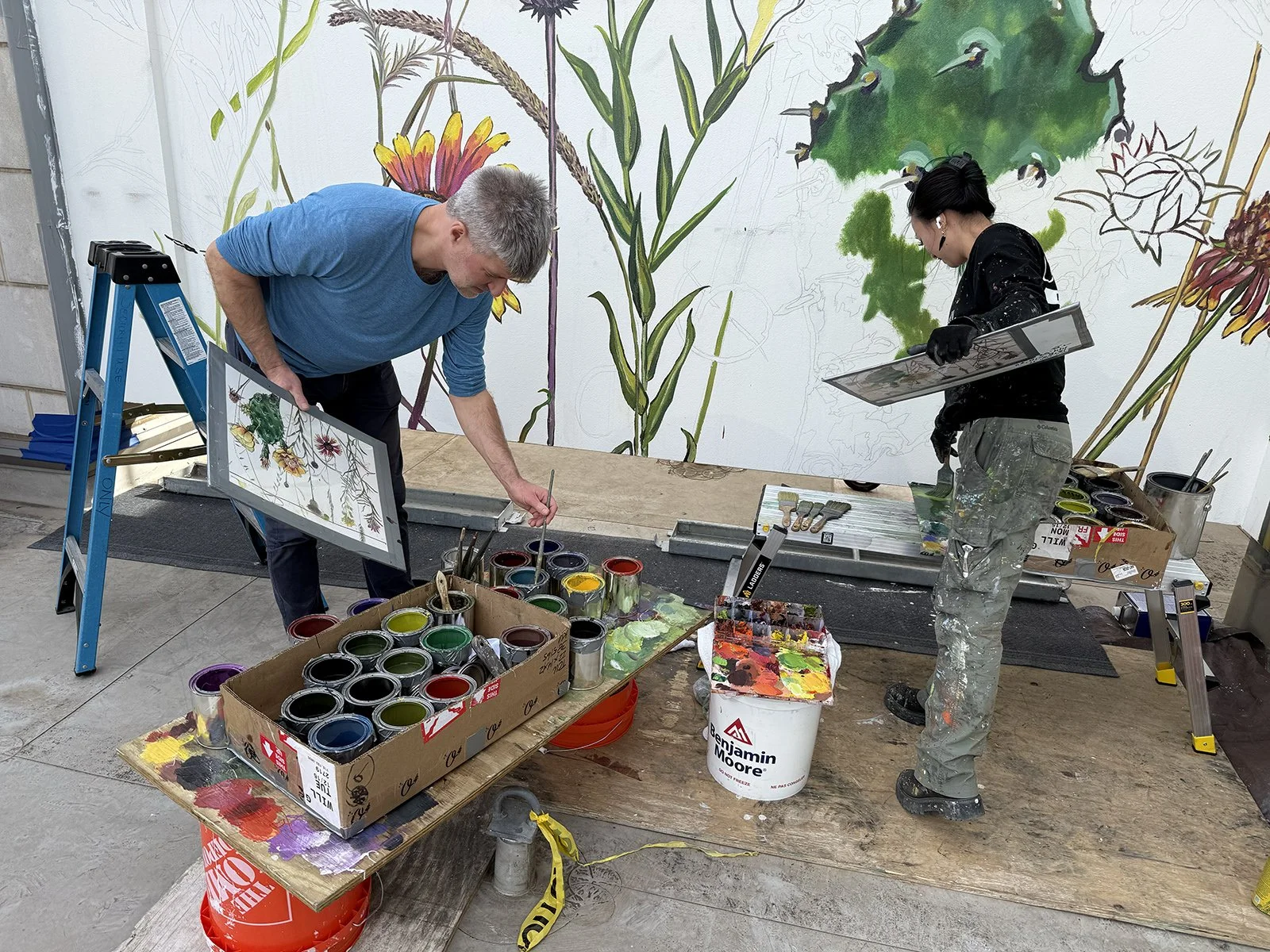
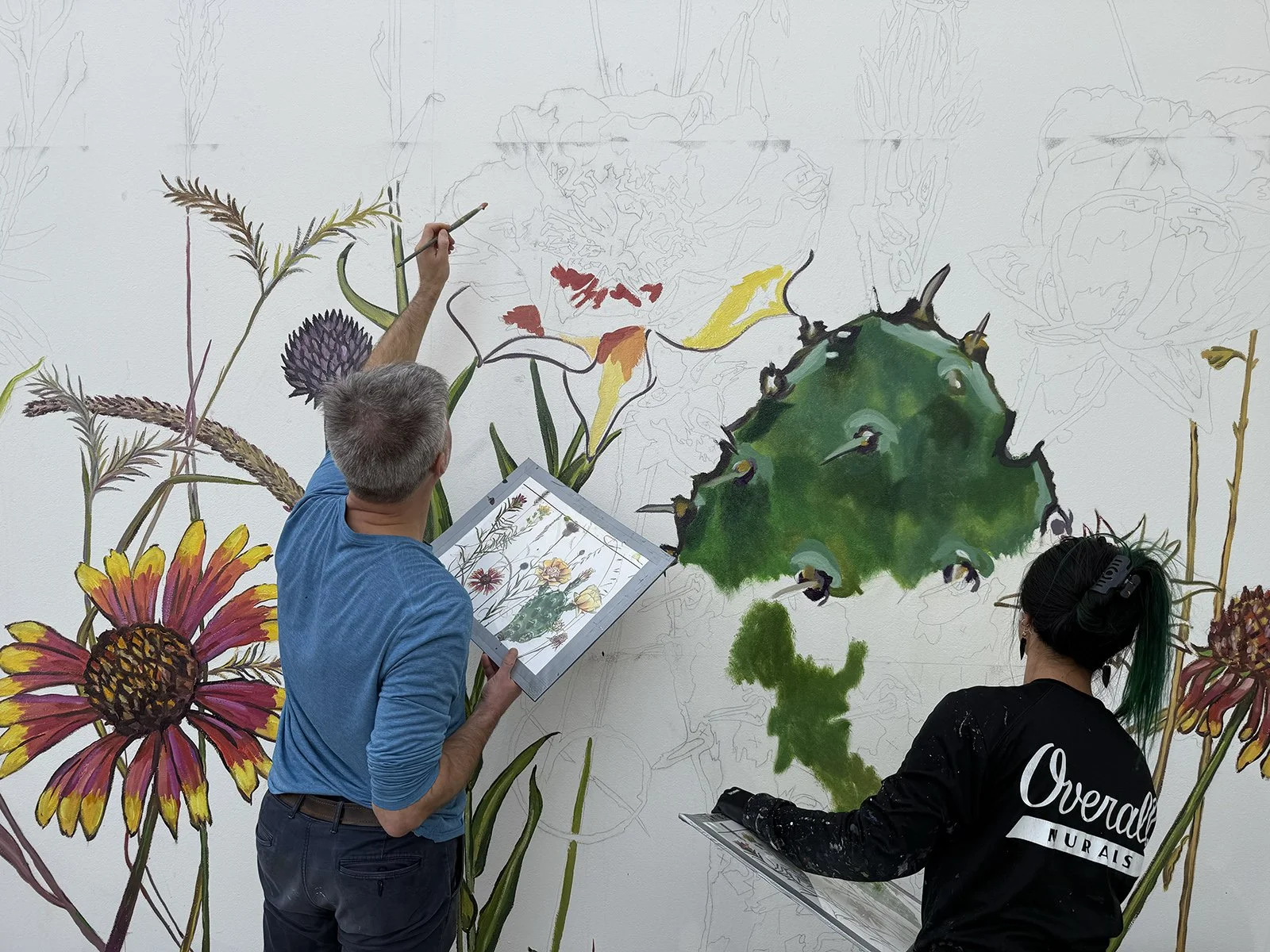
The mural depicts more than 100 species of native prairie plants, each rendered from direct observation with attention to both scientific accuracy and painterly detail. Purple coneflowers rise 13 to 15 feet tall. Big bluestem, little bluestem, and sideoats grama extend across the wall alongside Indian paintbrush, winecup, milkweed, and other species that define the ecology of the region across seasons.
Rather than restoring a prairie physically, the project restores attention.
Installed on rooftop infrastructure—an overlooked architectural surface—the mural transforms the building into a kind of clearing in the city. It creates a space to reconsider what once existed on this land, and what persists in memory. As Prosek has said, “The wall is a clearing in the city. And the mural is a clearing in the conversation.”
The work is grounded in ecological research and historical evidence, including Indigenous land management practices that used fire as a tool for renewal. It resists the idea of a pristine, untouched past, and instead asks how contemporary assumptions about land—about “nature,” conservation, and restoration—shape perception.
Prairies once defined vast areas of North America, shaped by fire, grazing animals, wind, and human stewardship. Today, they are among the most diminished and misunderstood ecosystems on the continent, often perceived as empty space rather than complex, dynamic systems.
Positioned seven stories above the street, the mural elevates both its subject and the questions it poses. It restores visibility to a landscape that has largely disappeared and suggests that how land is understood is inseparable from how it is cared for.
Commissioned by Sasha and Edward P. Bass and Sundance Square, the project reimagines the role of public art in the city—as a form capable of holding ecological memory, challenging perception, and reconnecting viewers to the landscapes that shaped the place they inhabit.
Details:
300 linear feet × 15 feet
~5,000 square feet
Over 100 species represented
252 individual specimens
2026
Fort Worth Prairie No. 1
Sundance Square, Downtown
Fort Worth, Texas