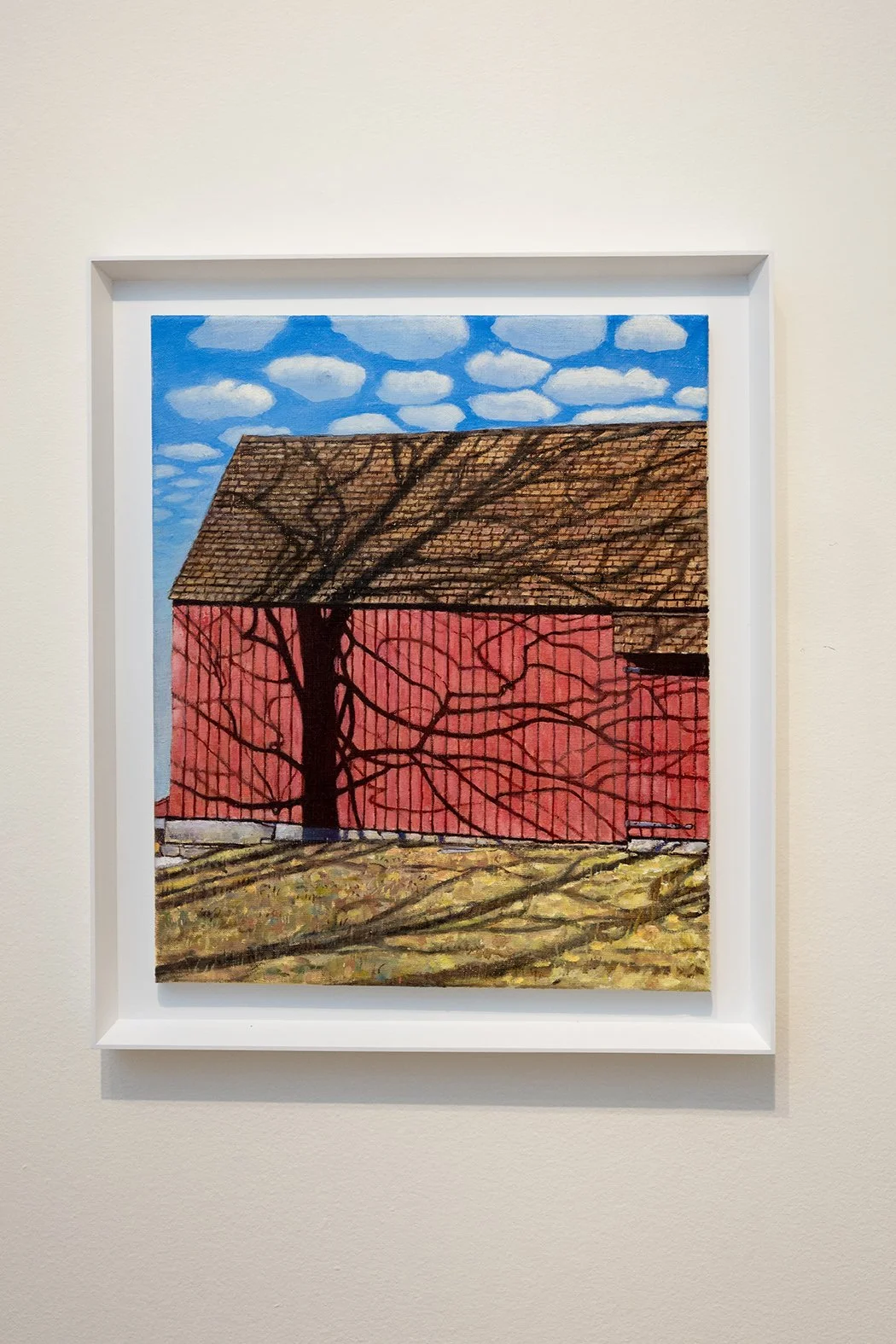
Memory, Trees & Shadows
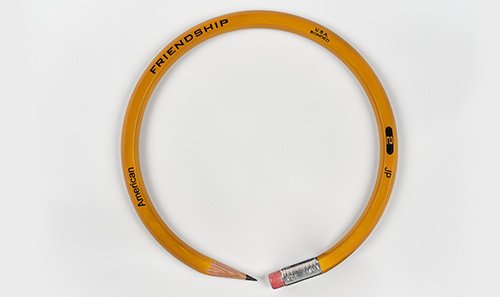
A Visual Conversation with Josephine Nivison Hopper, Edward Hopper, and Sarah Sockbeson
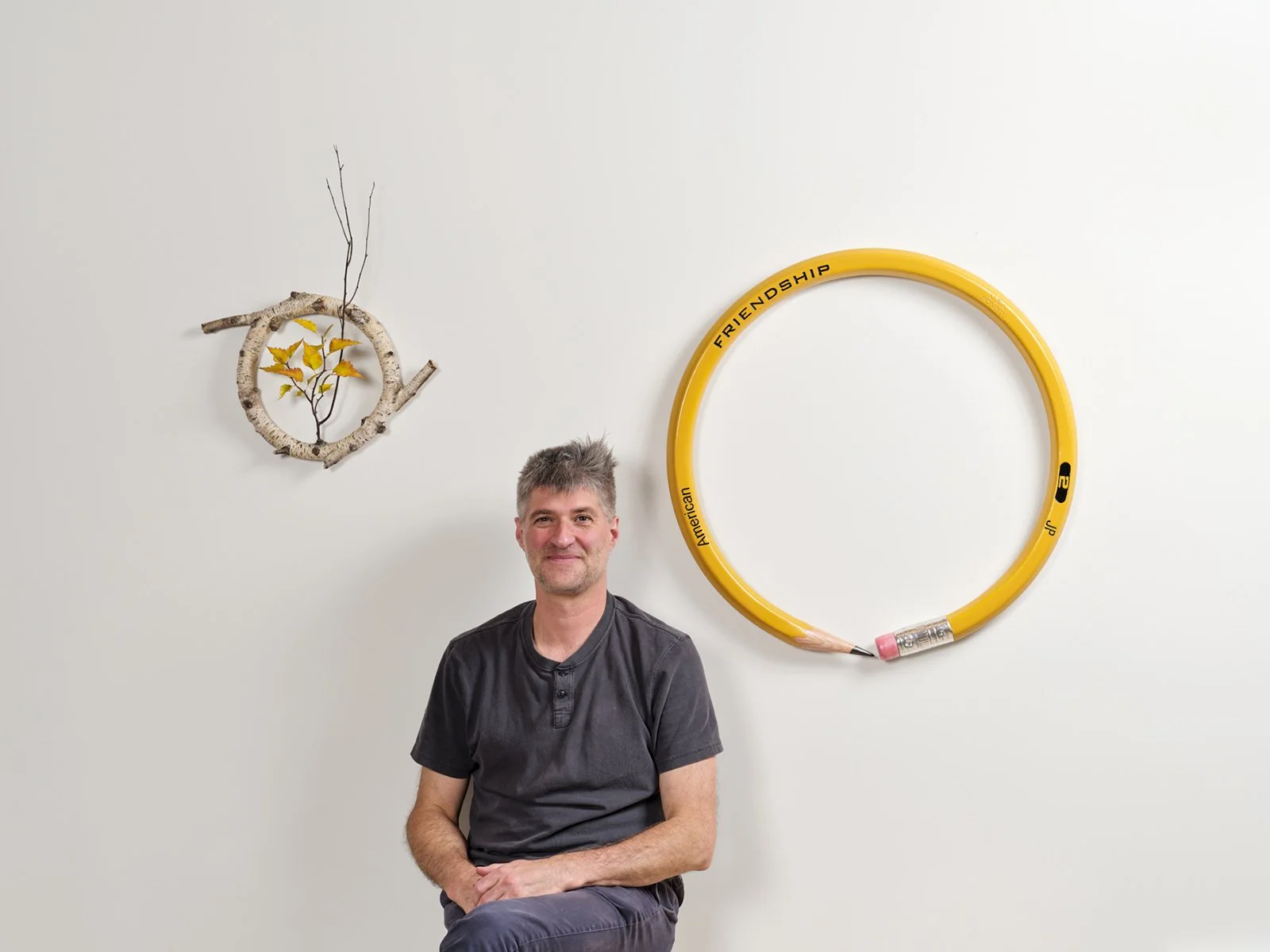
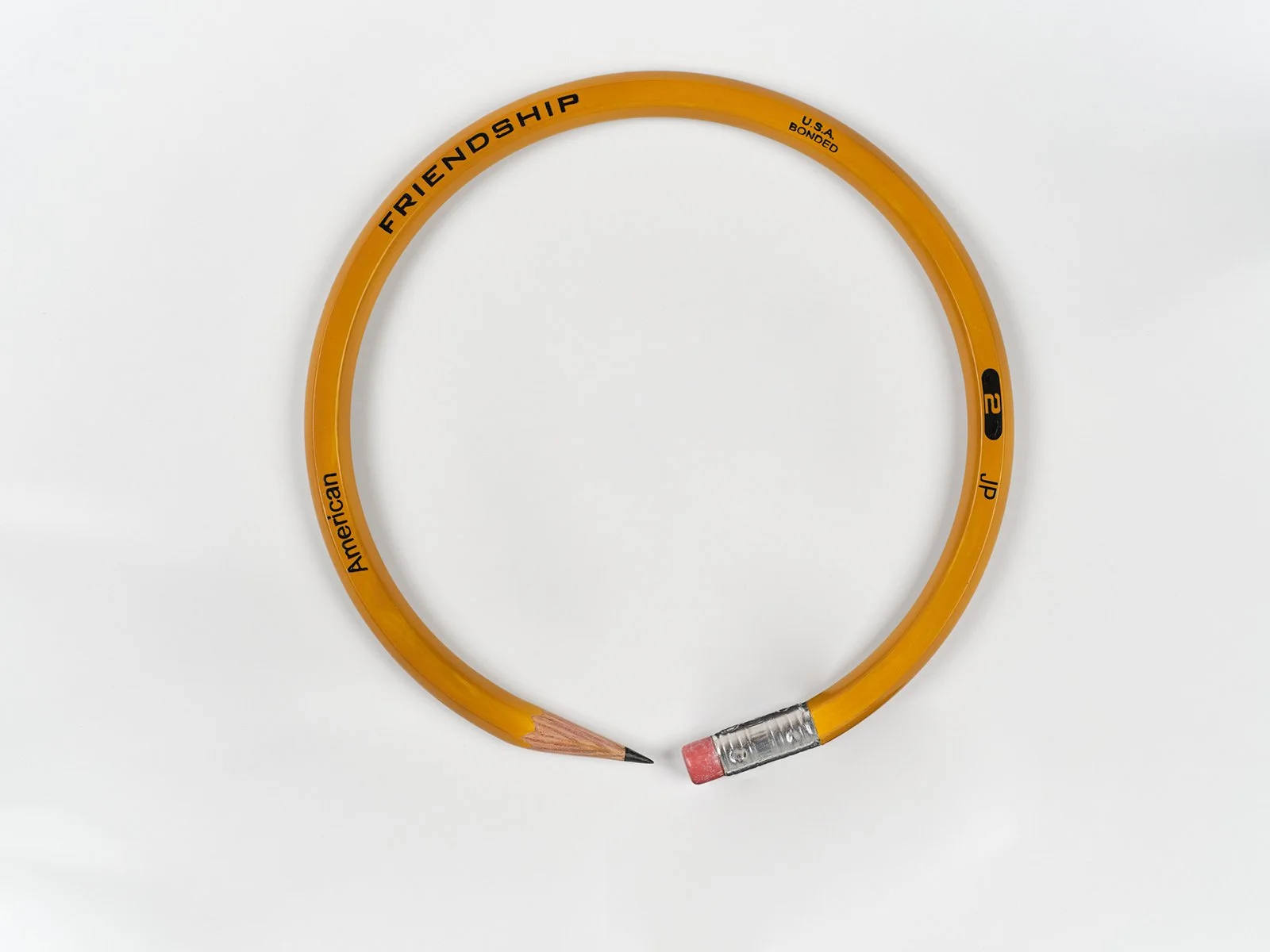
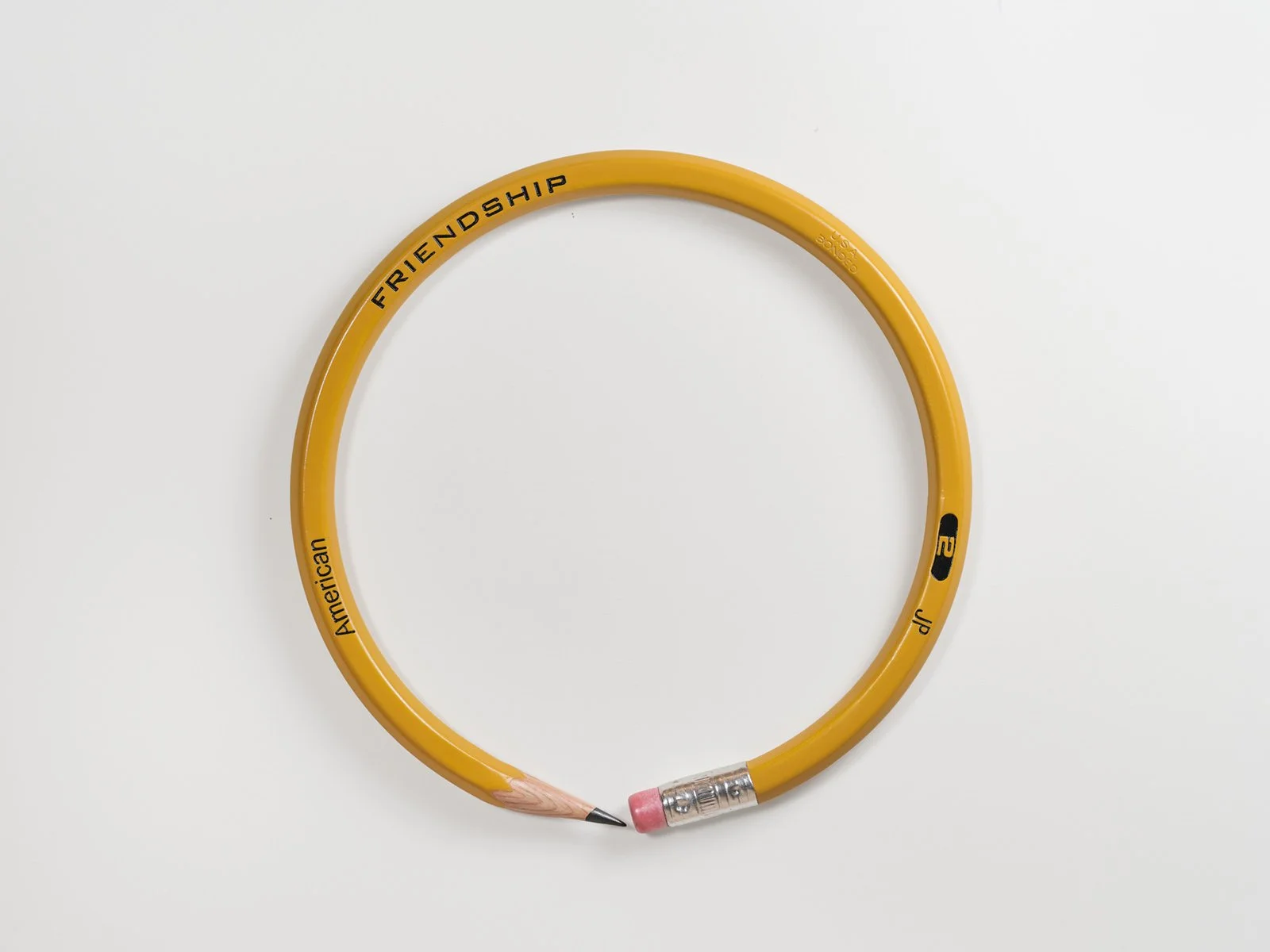
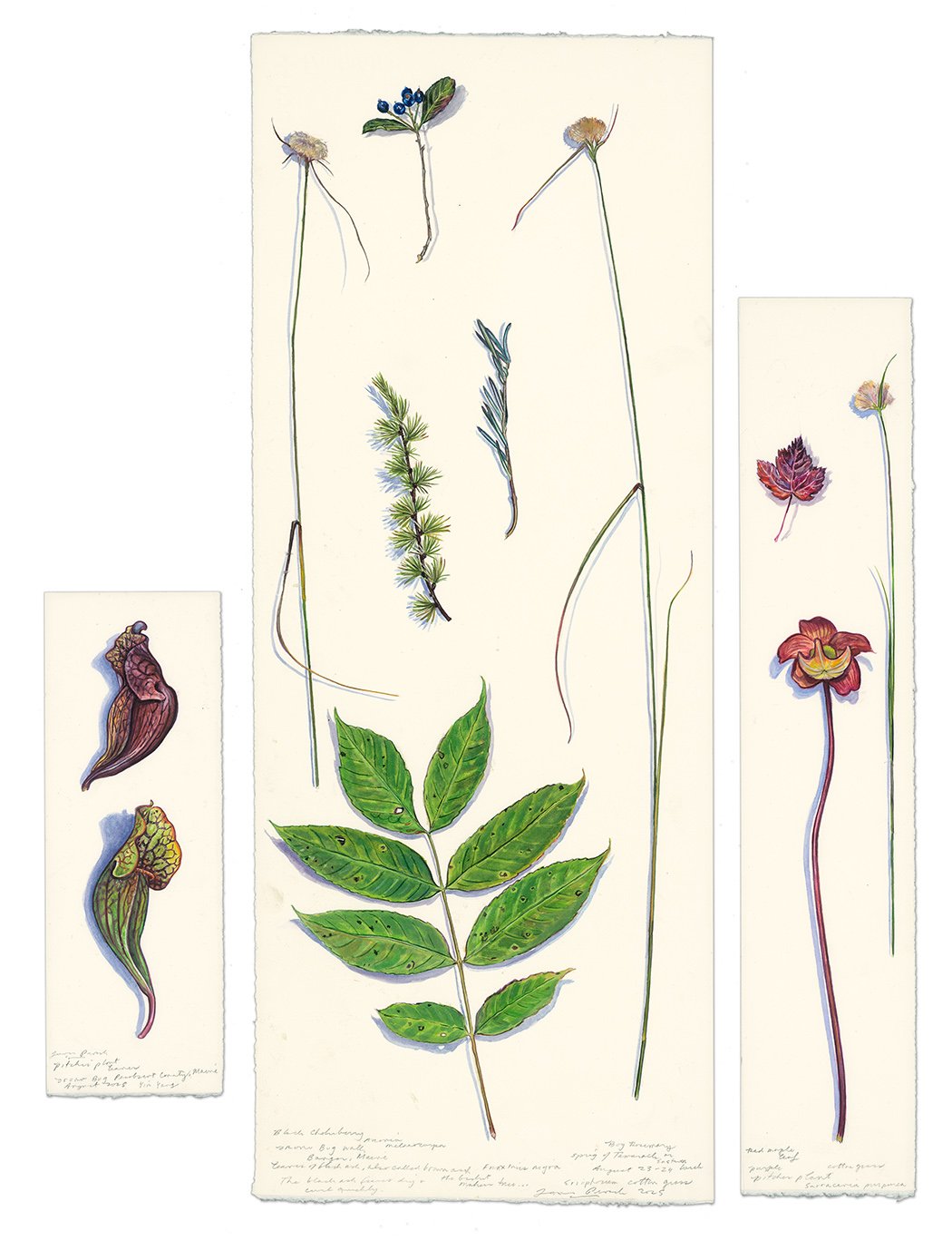
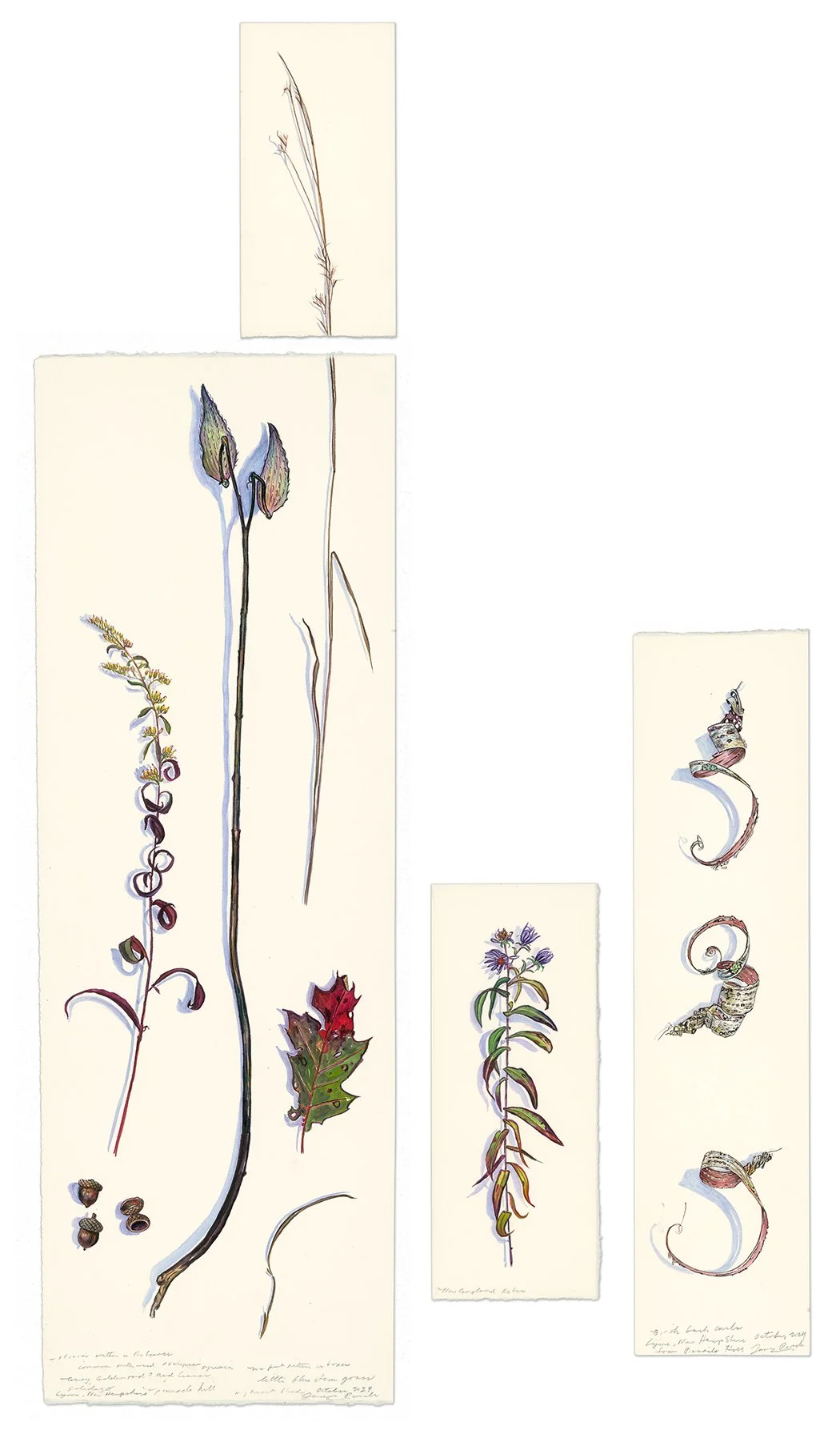
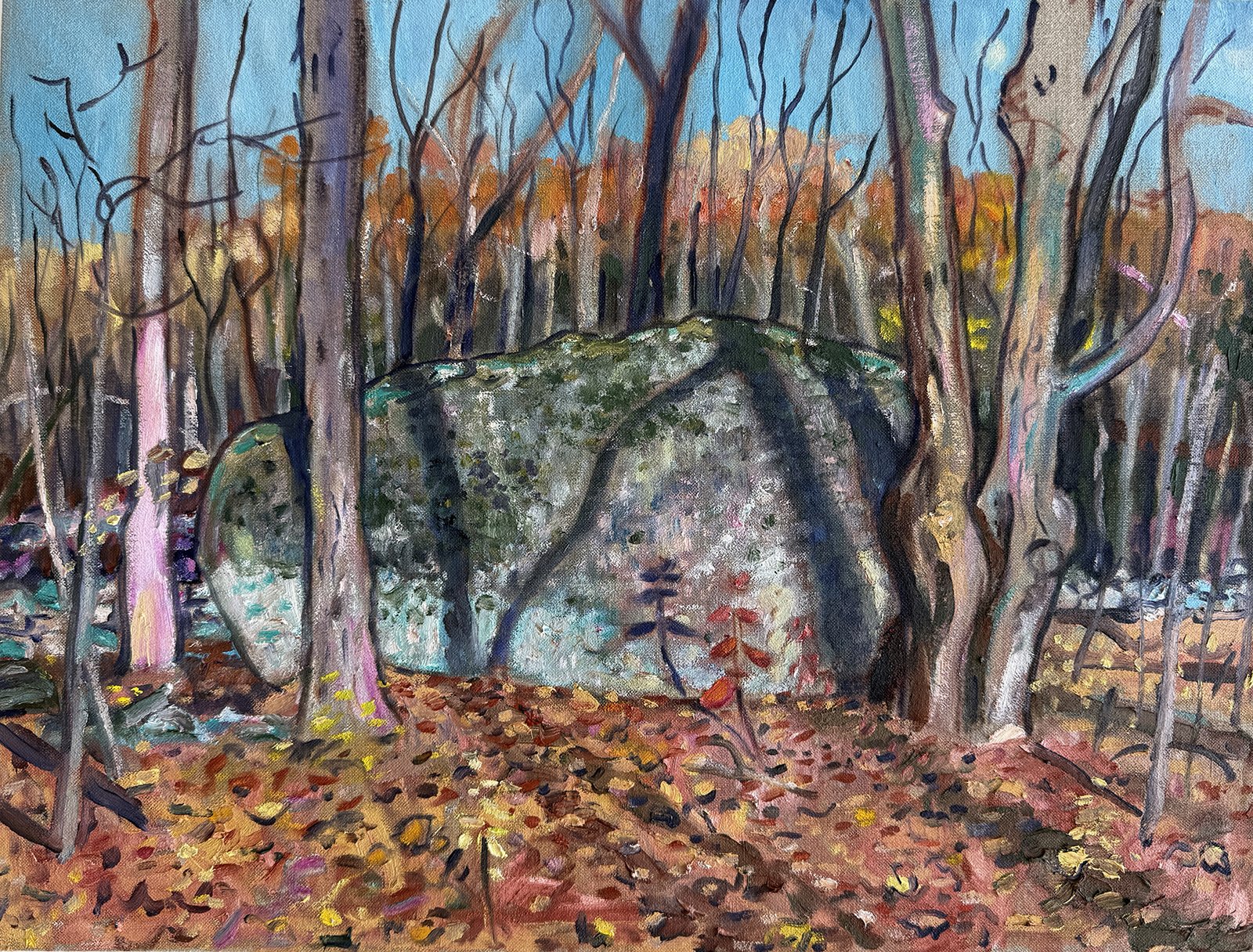
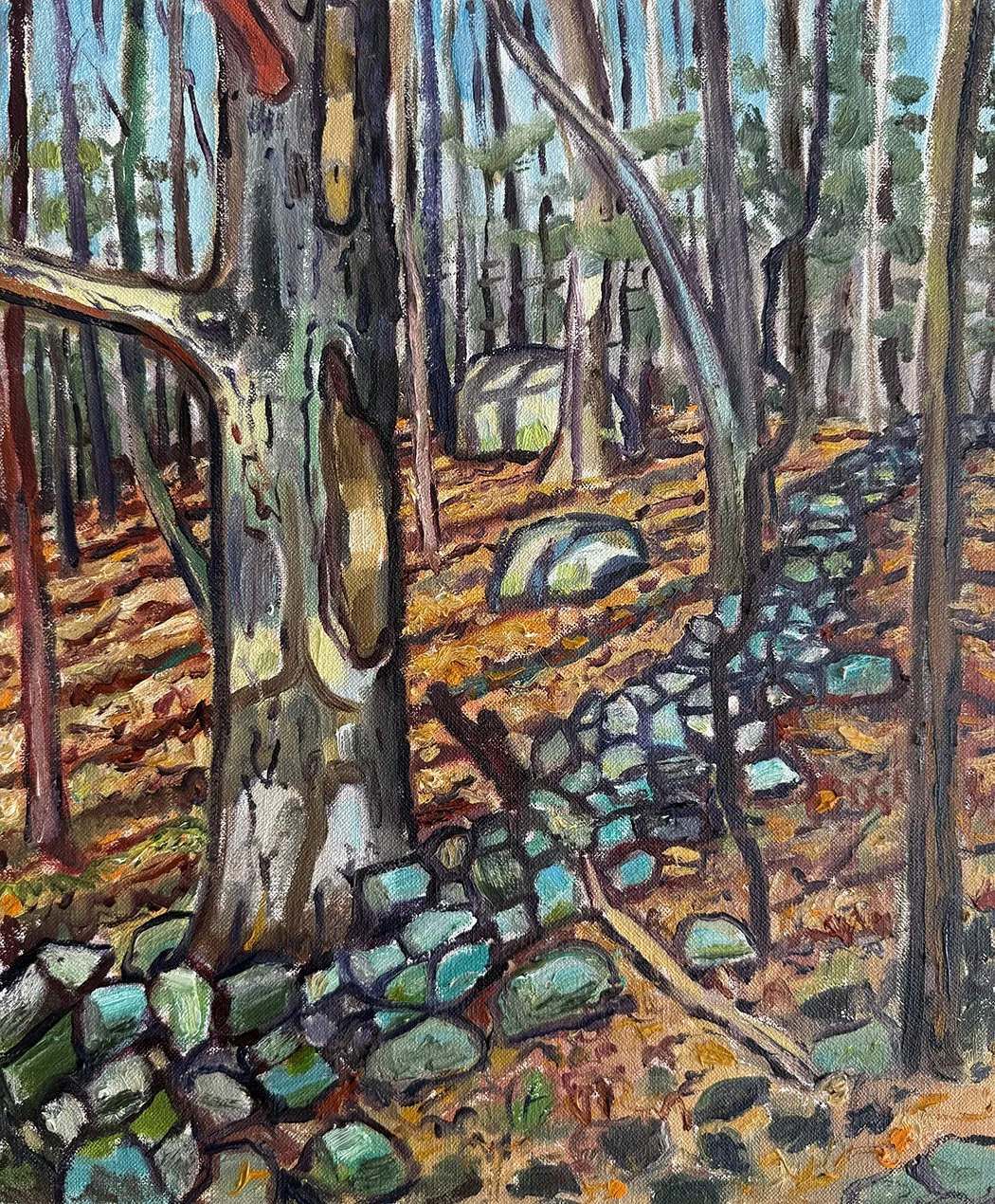
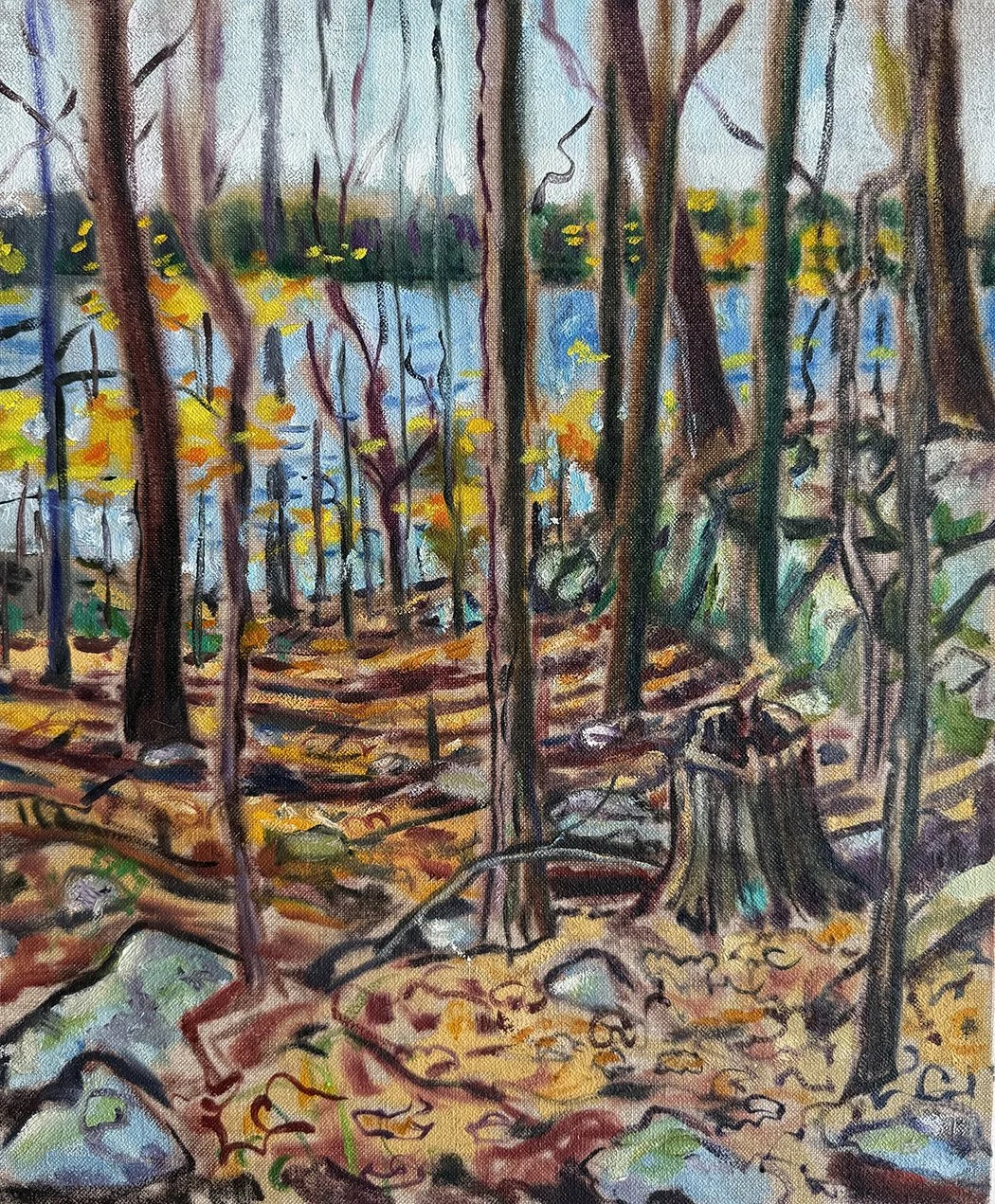
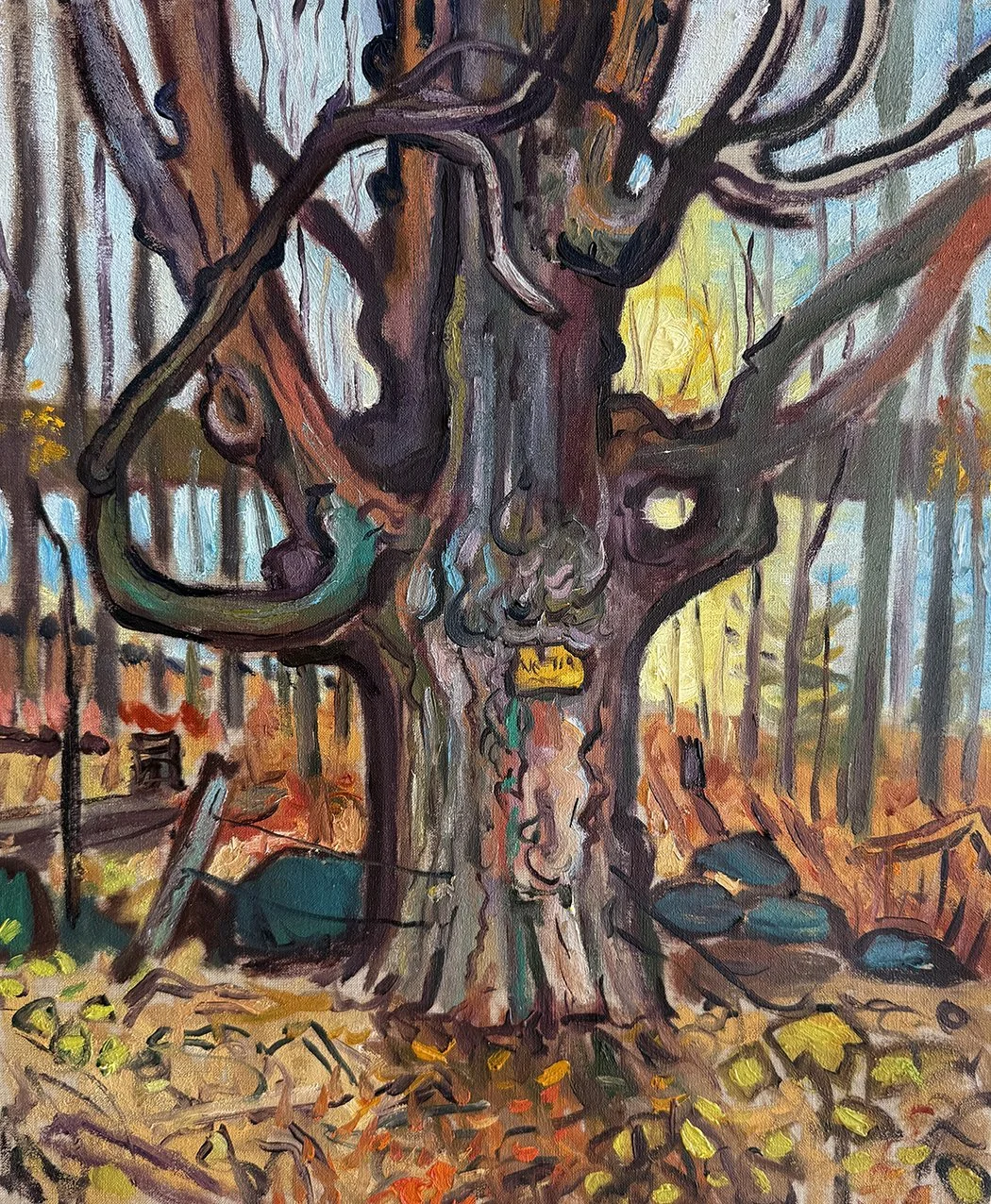
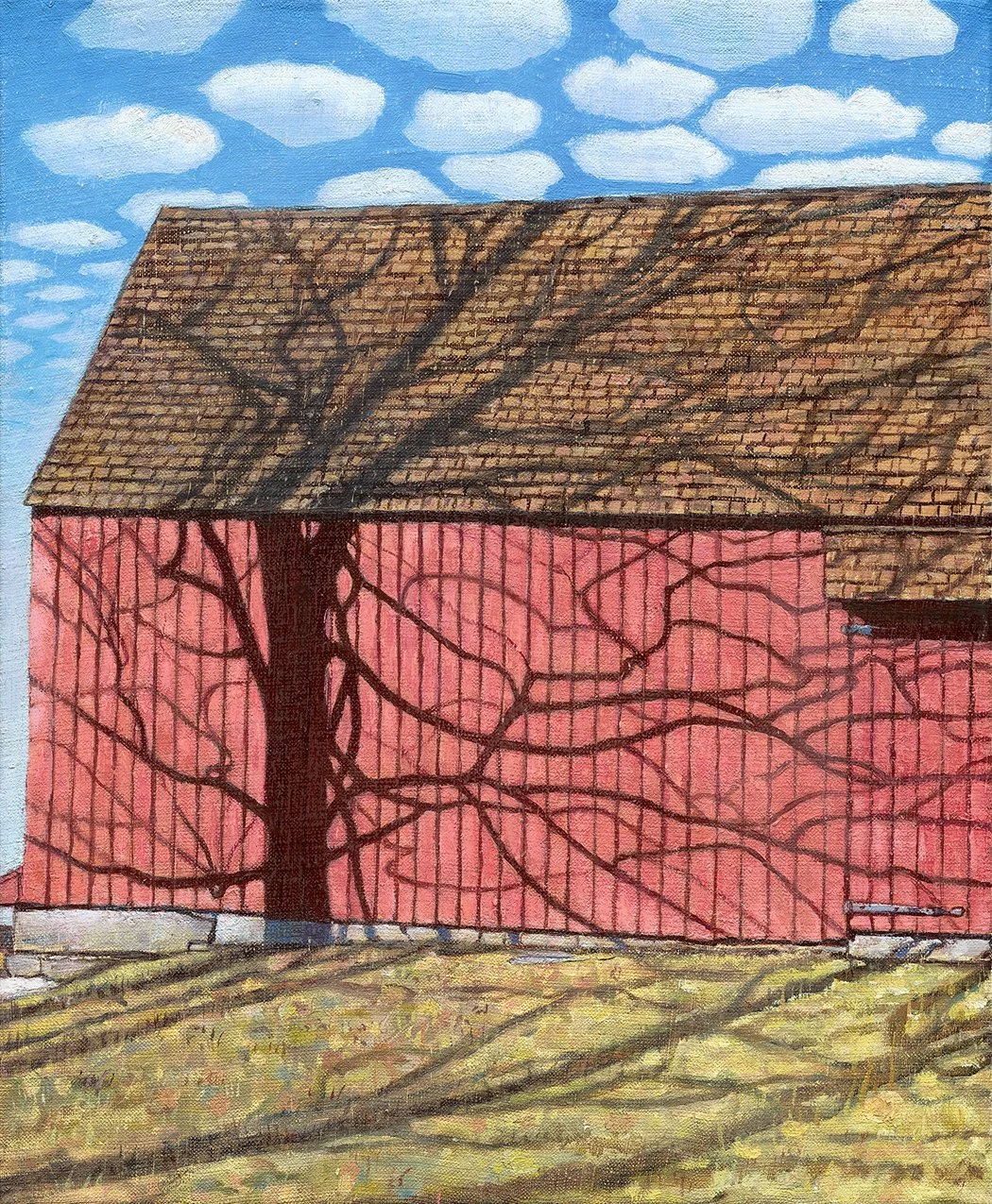
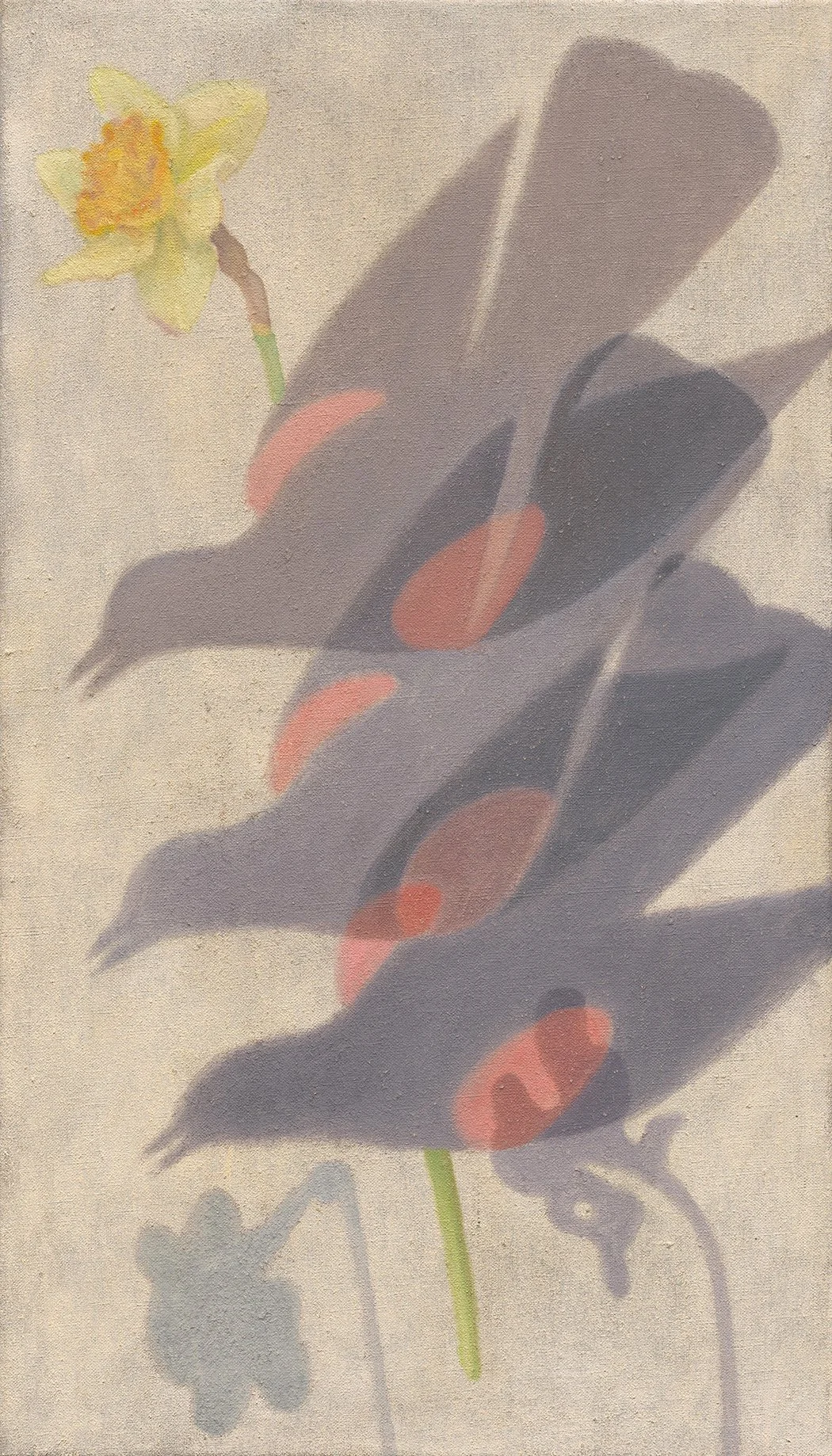
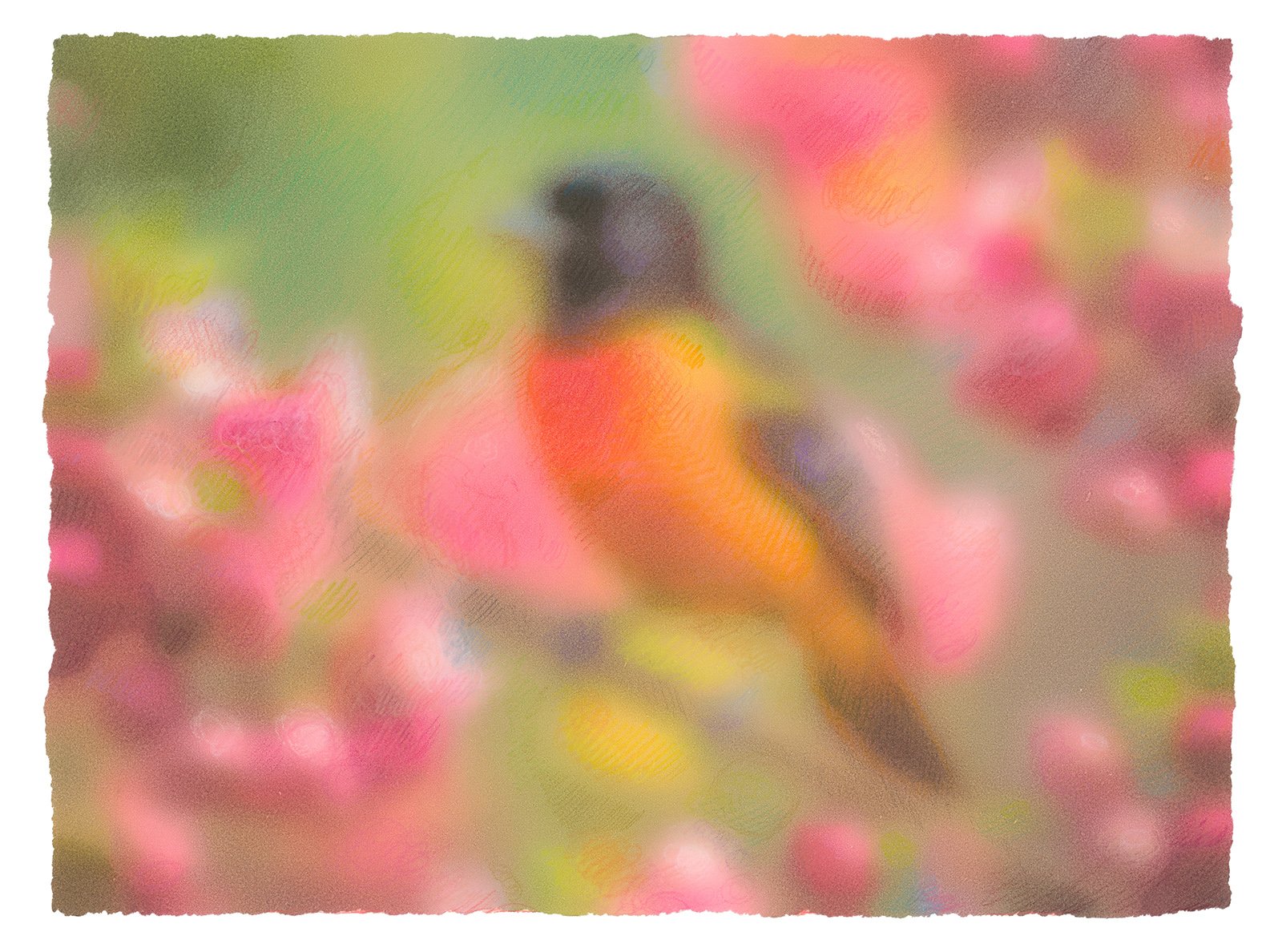
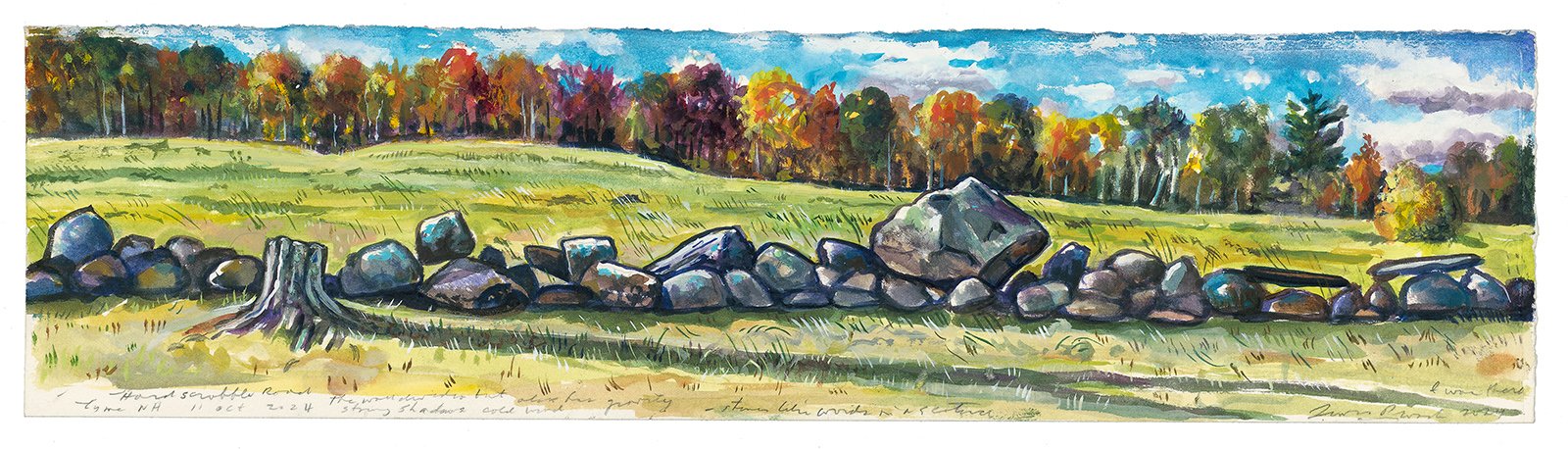
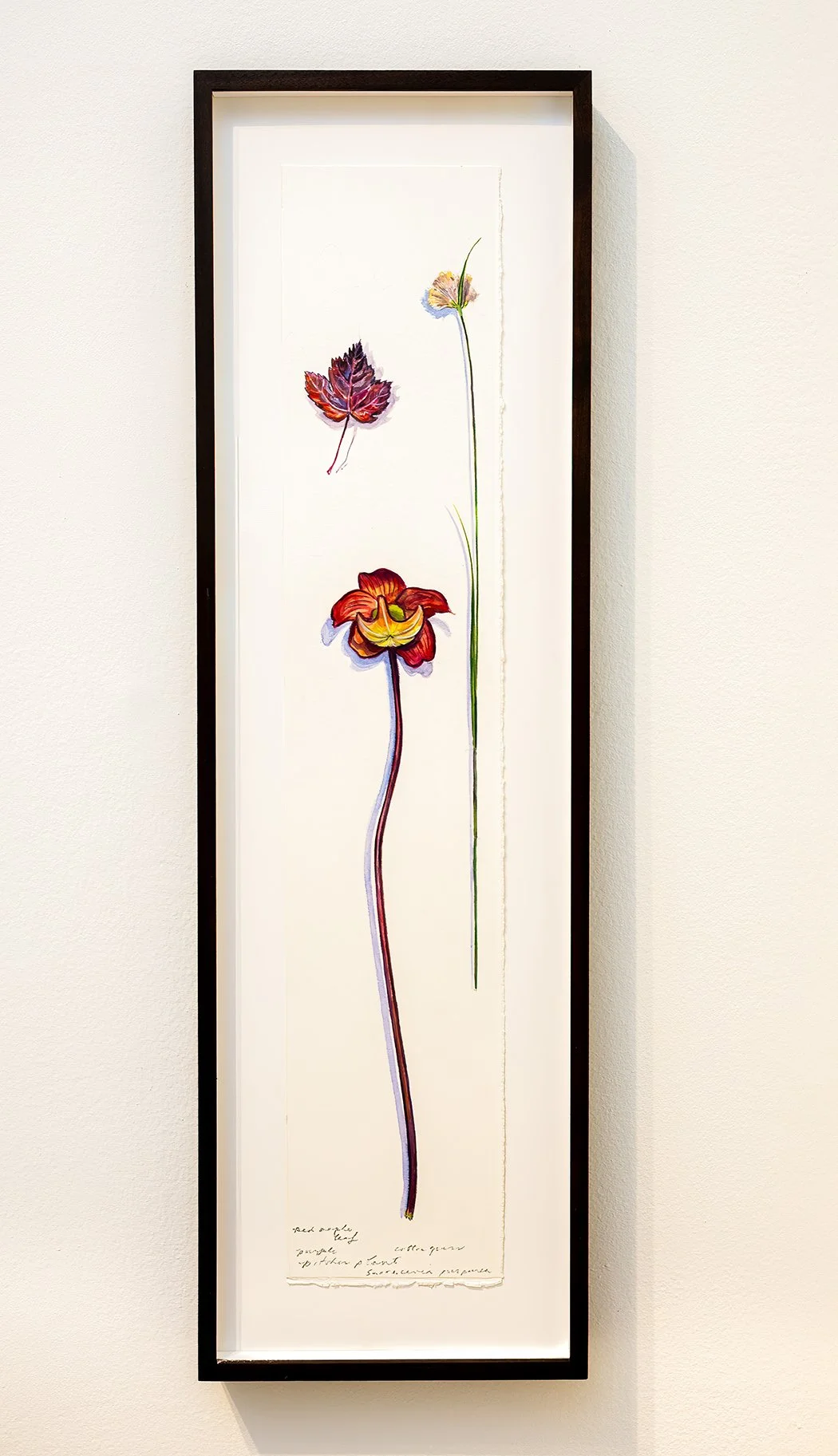
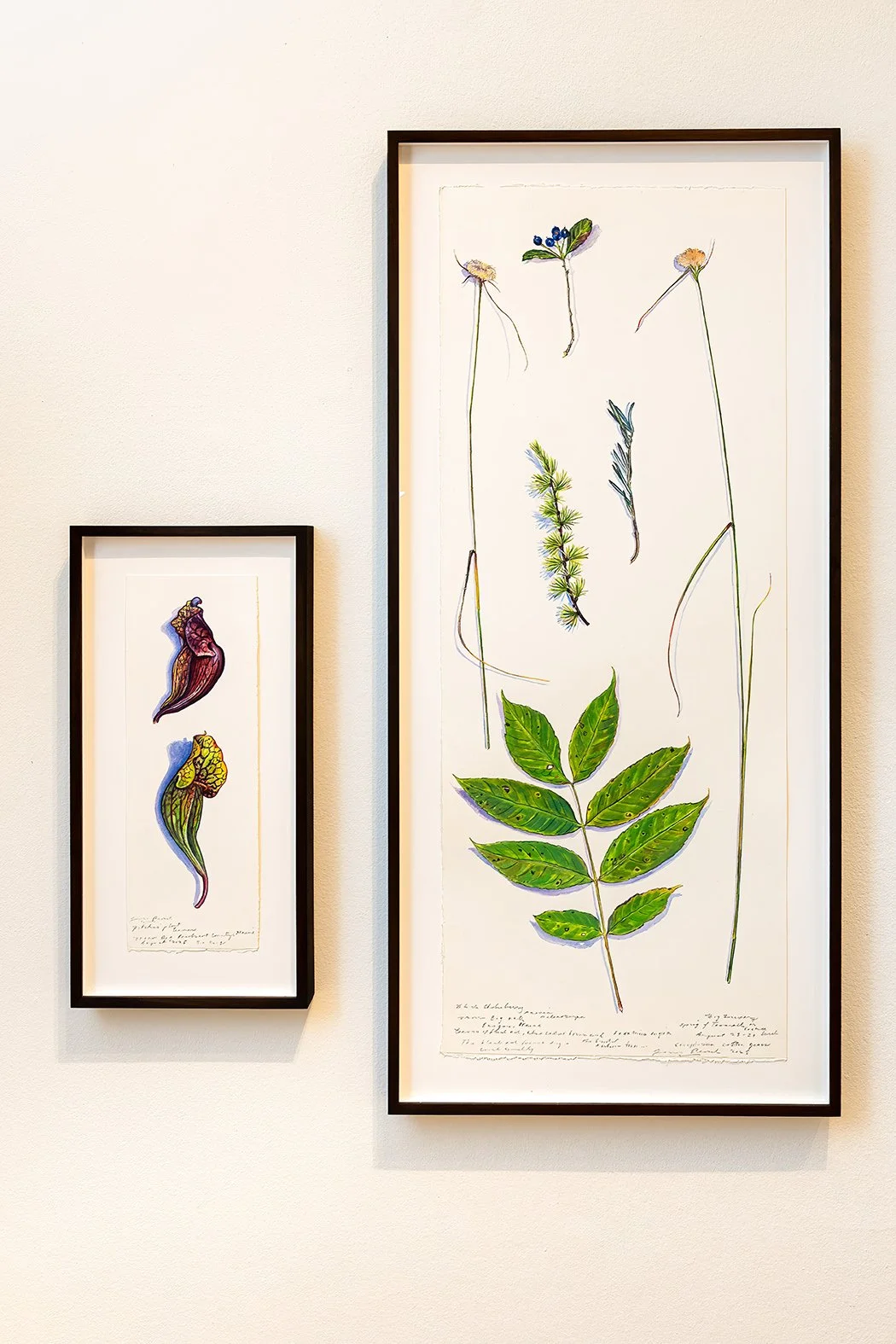
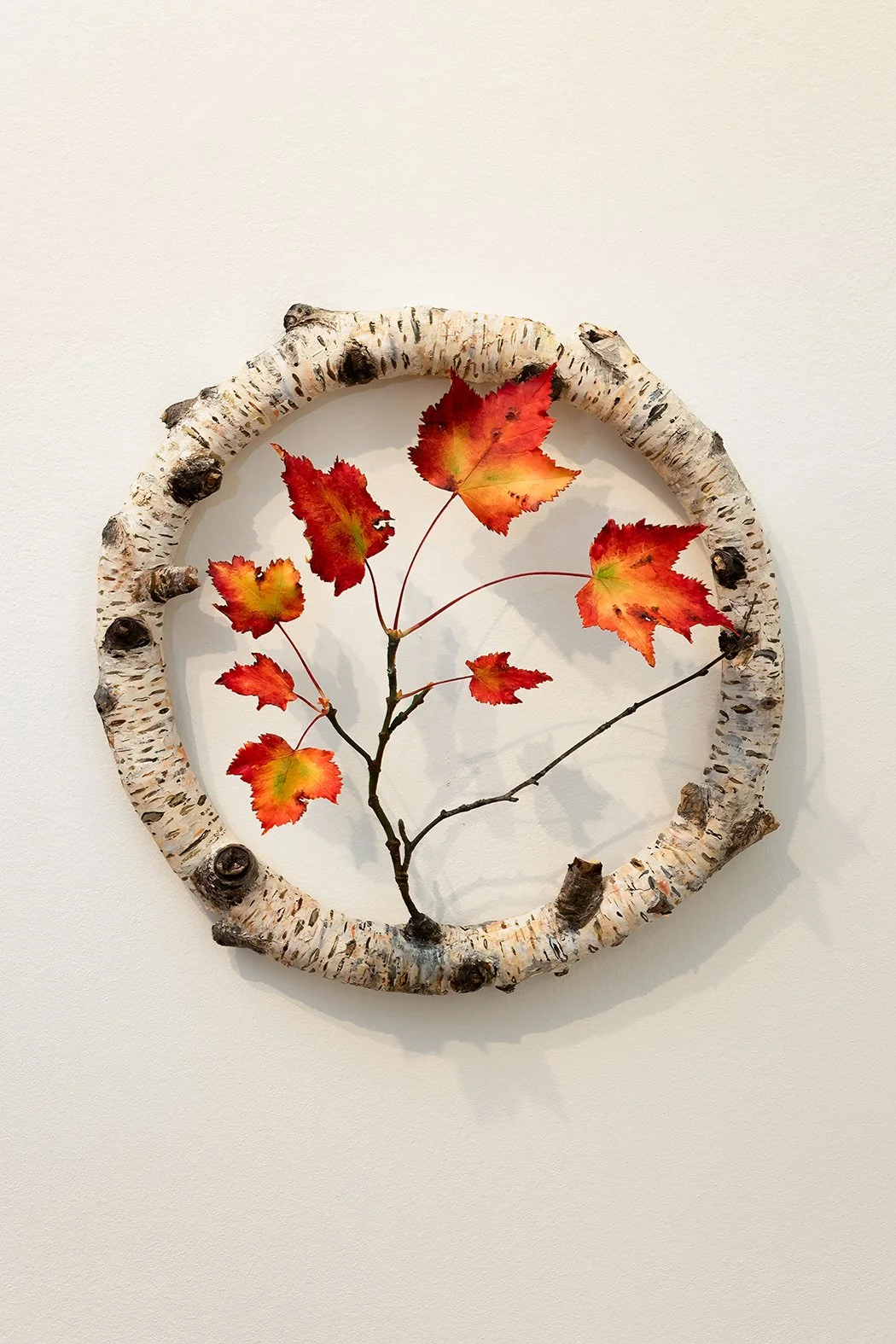
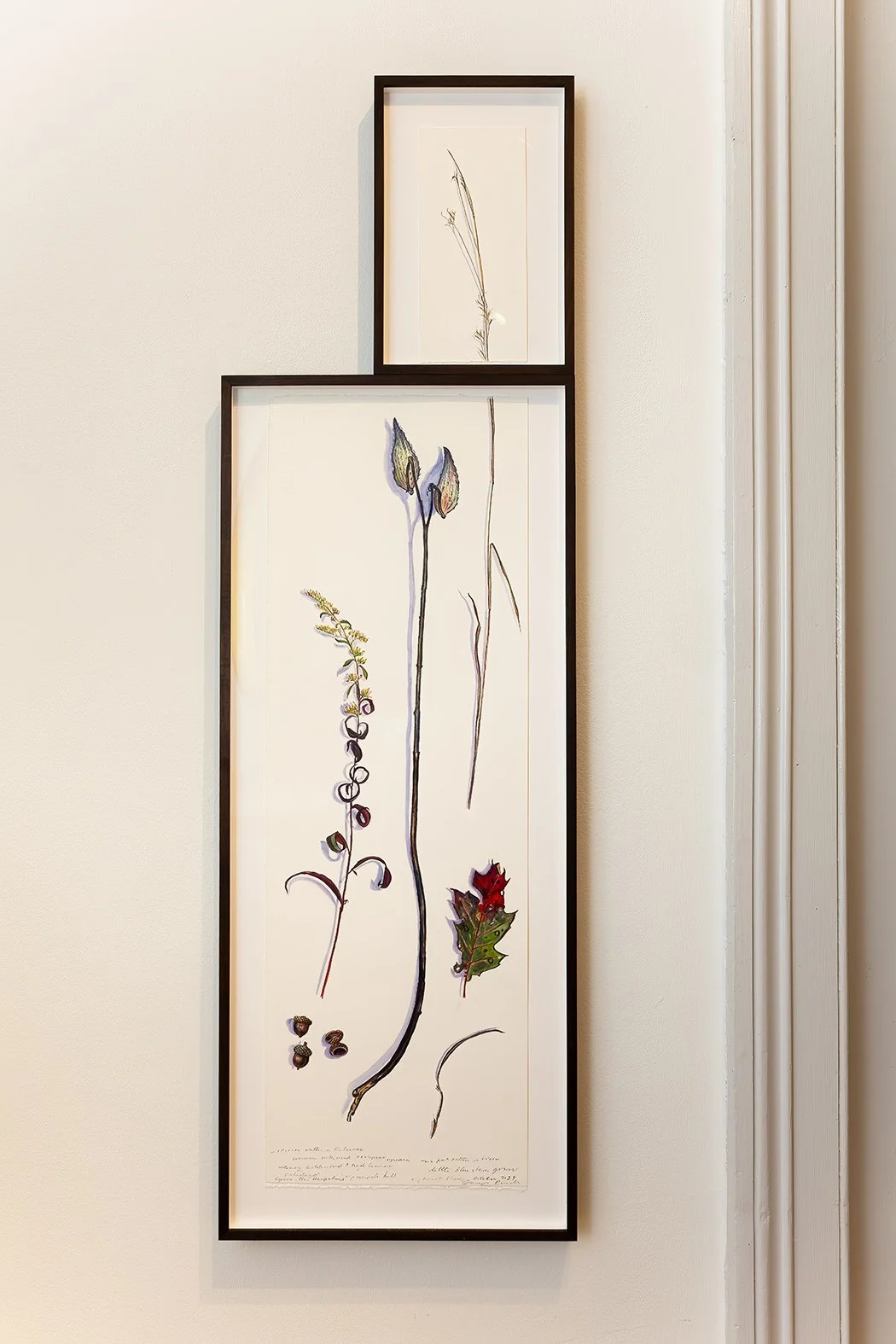
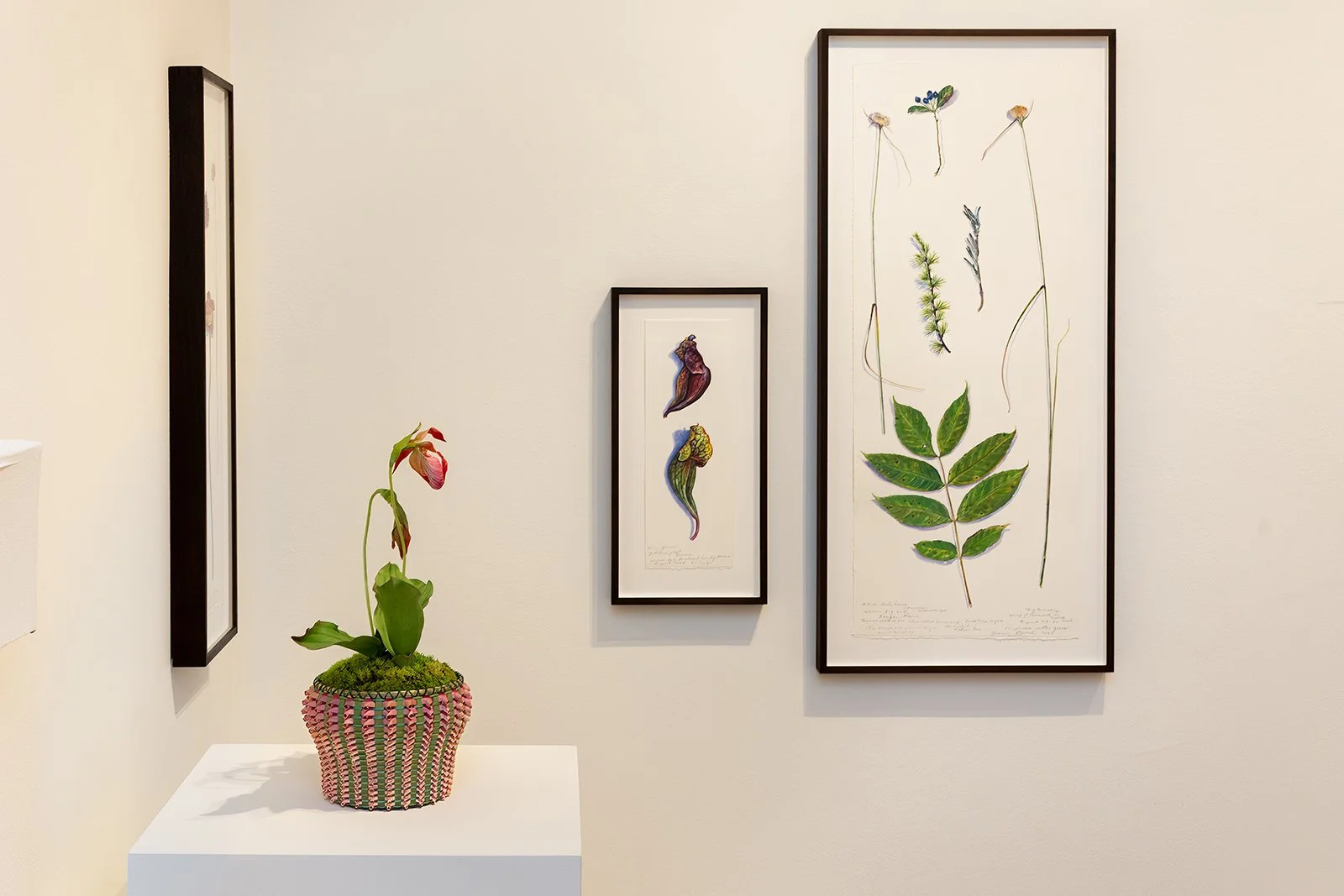
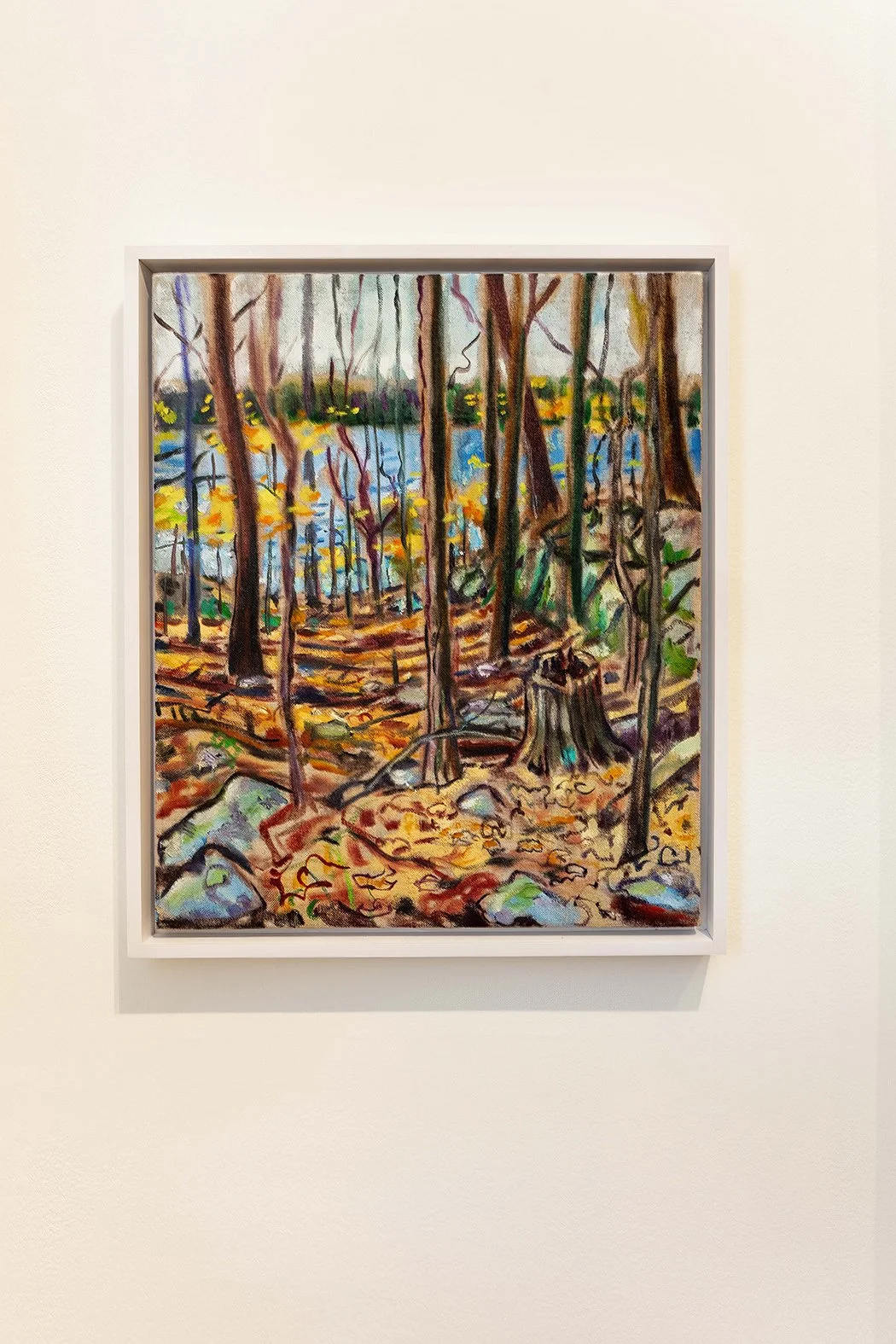
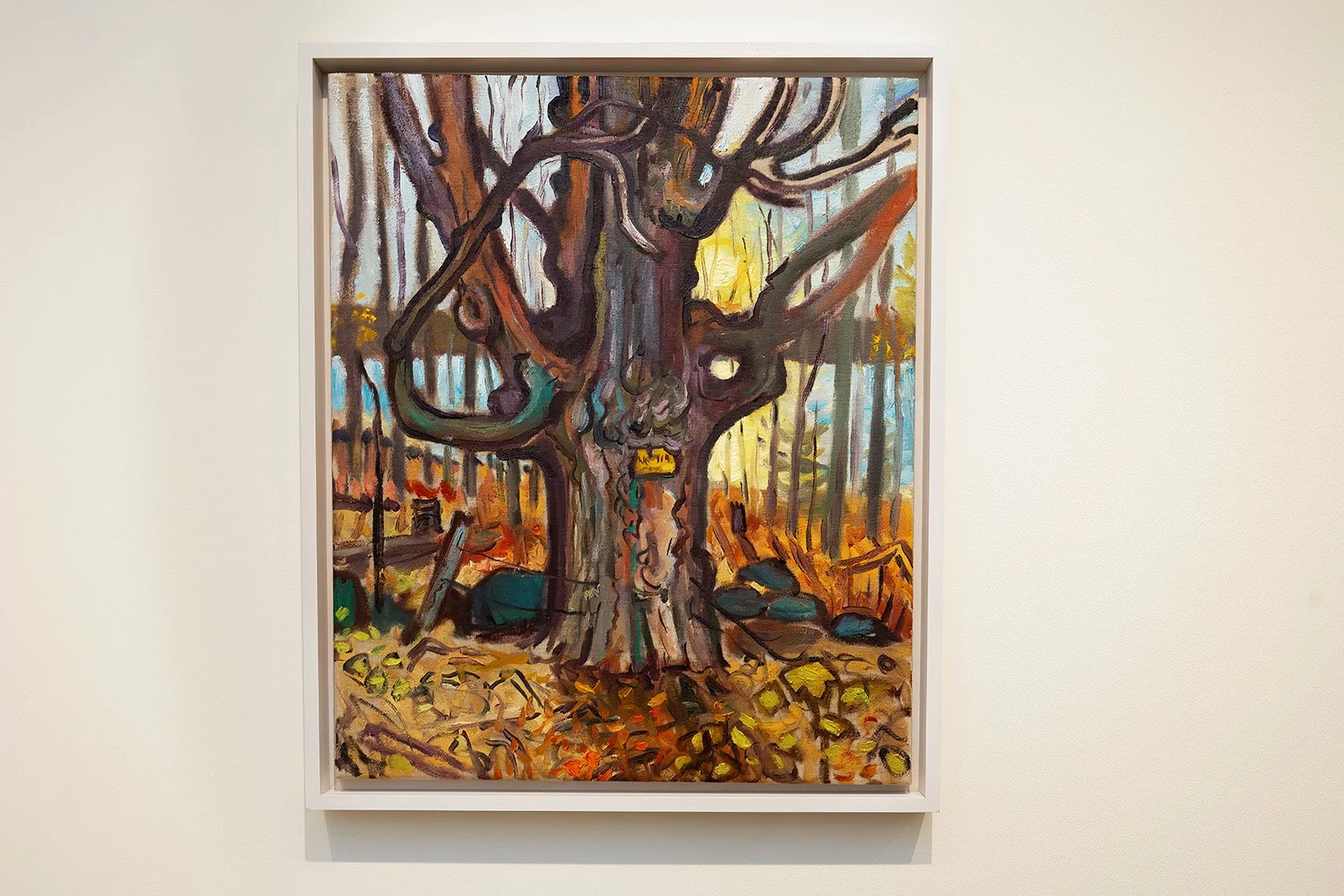
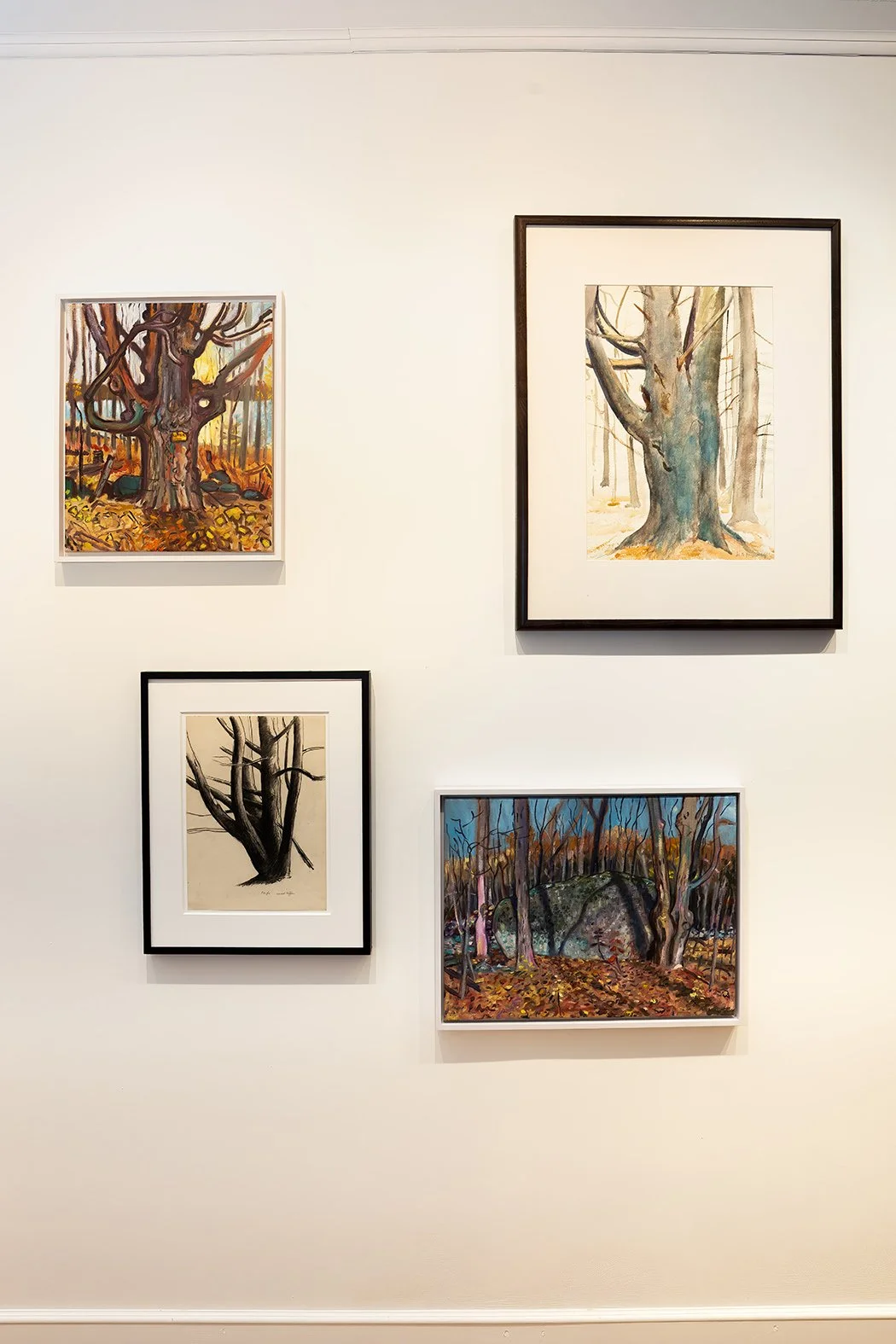
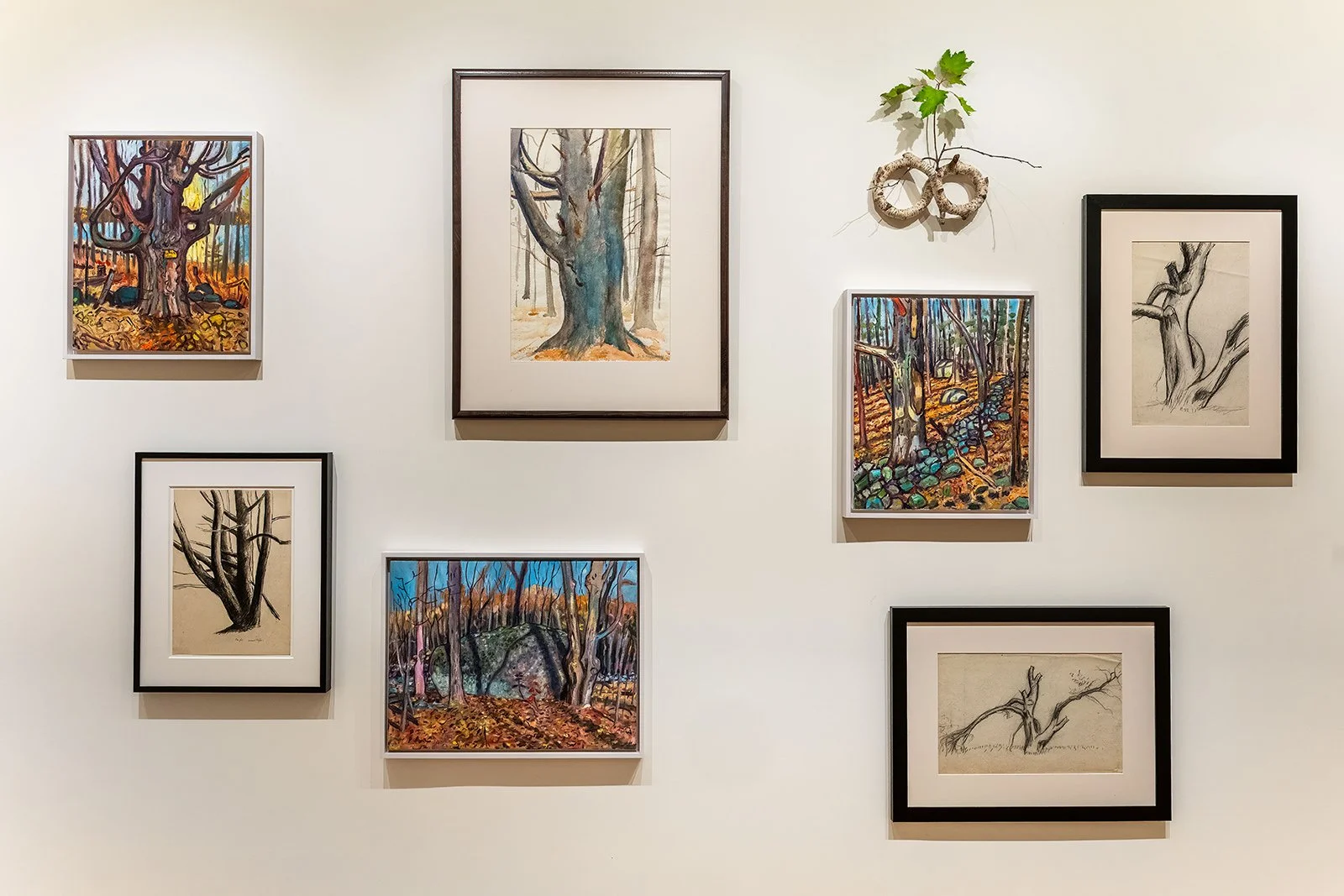
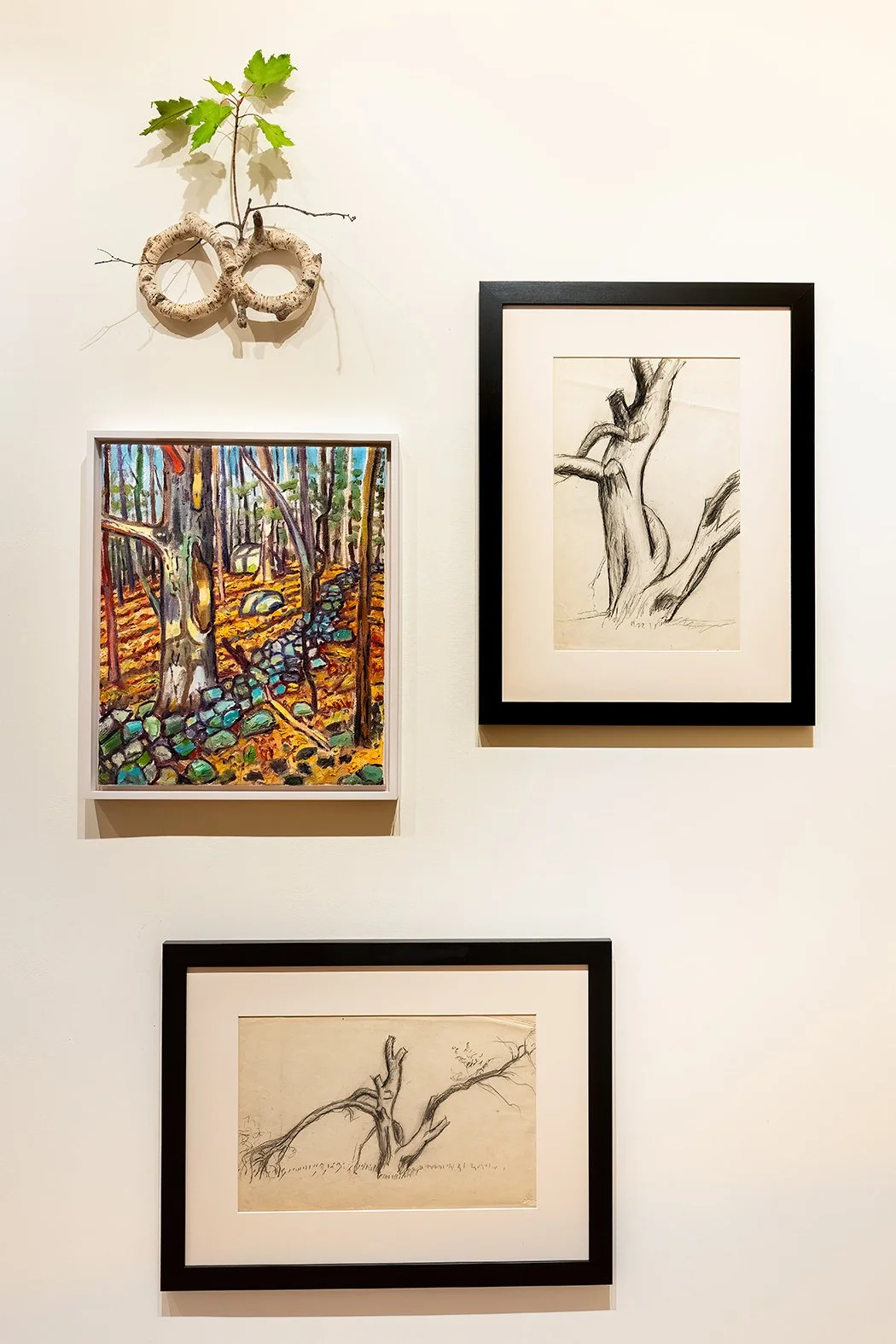
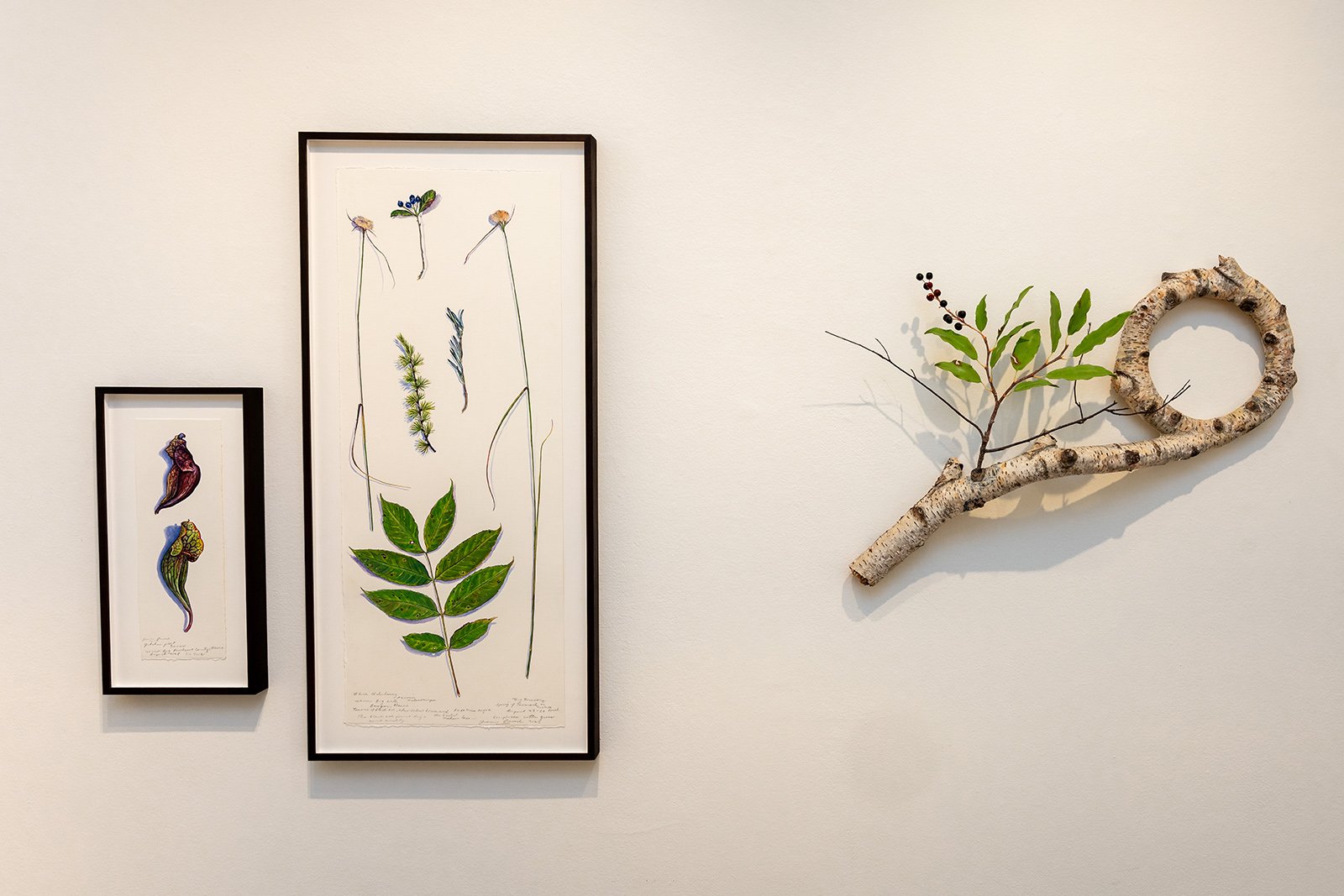
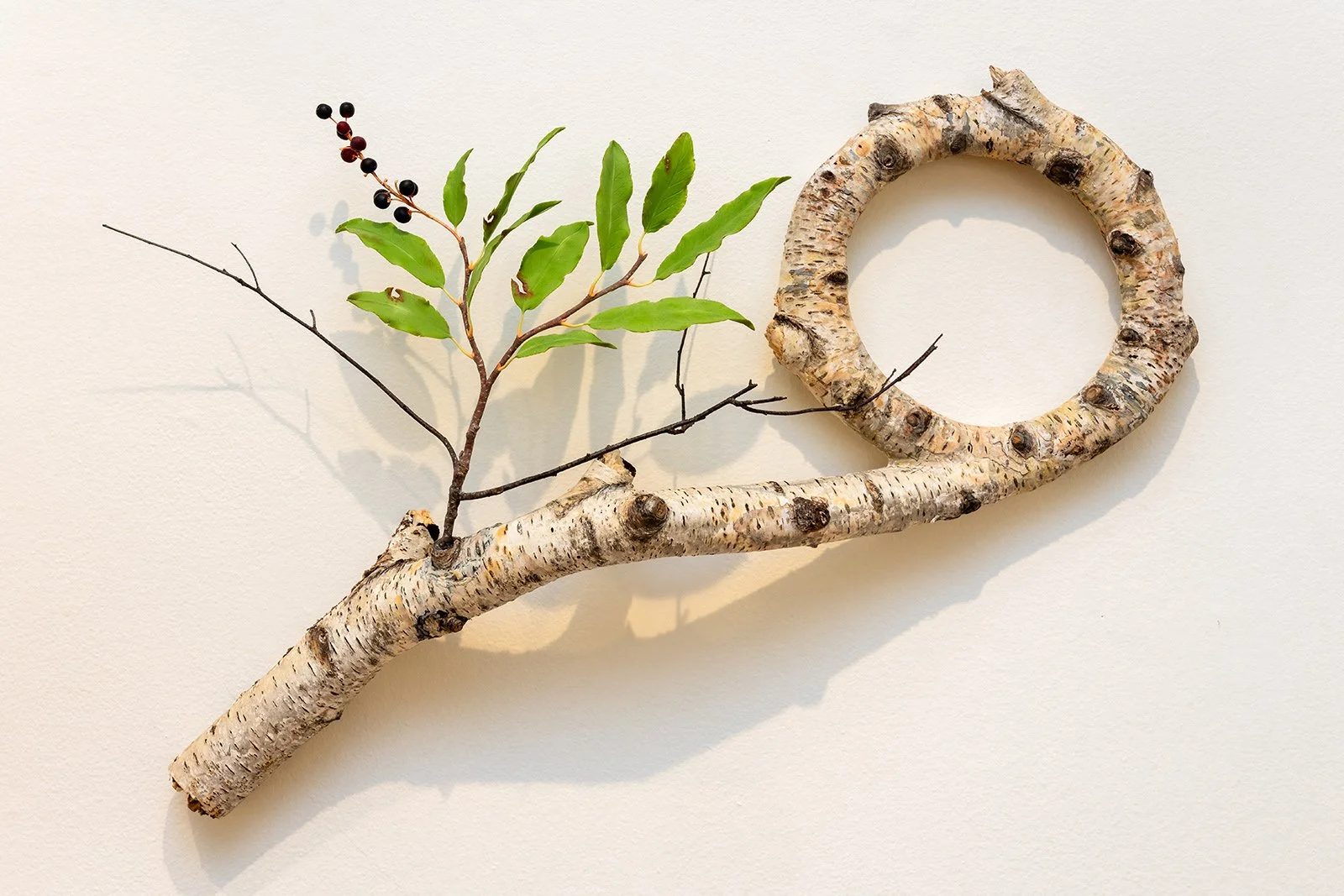
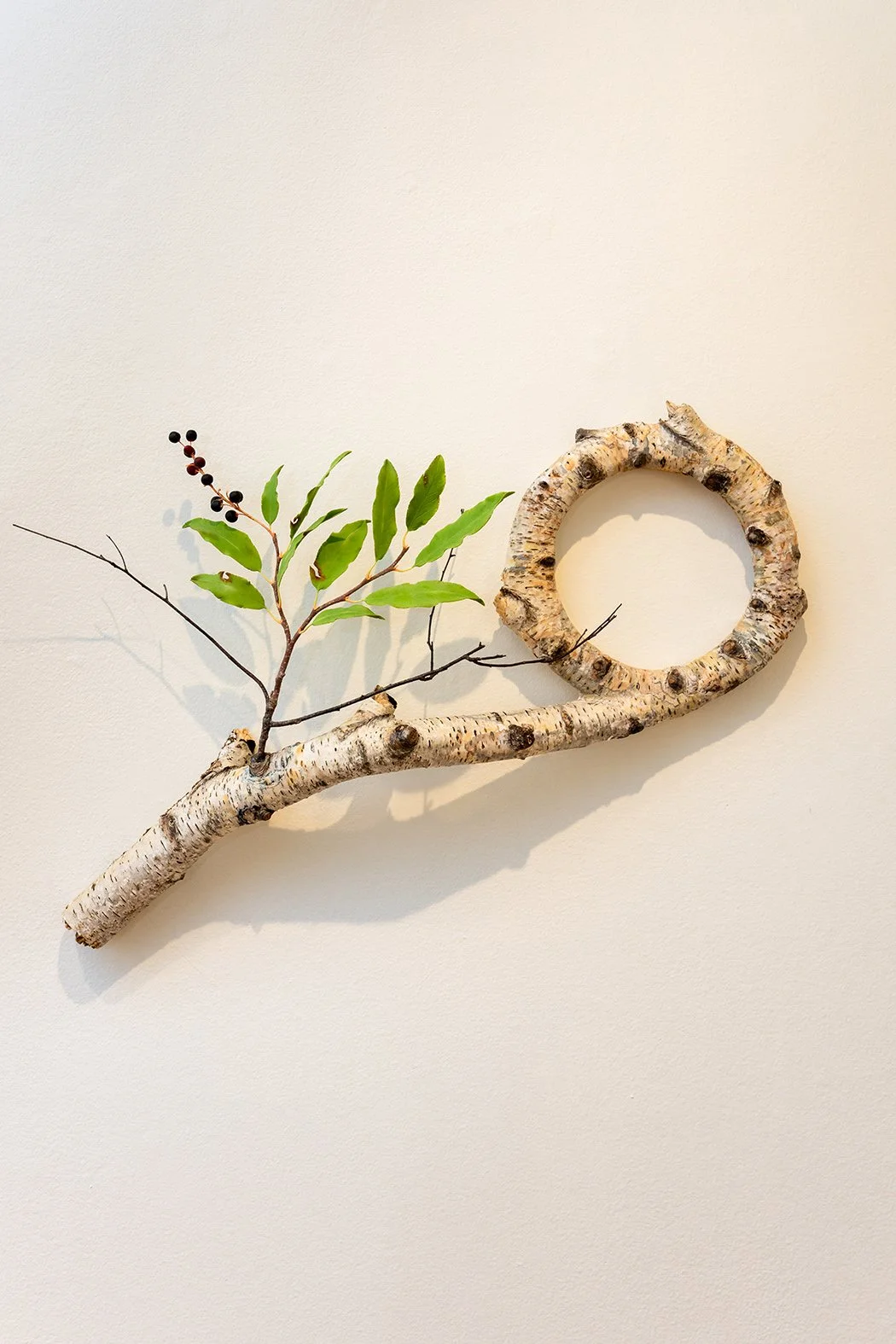
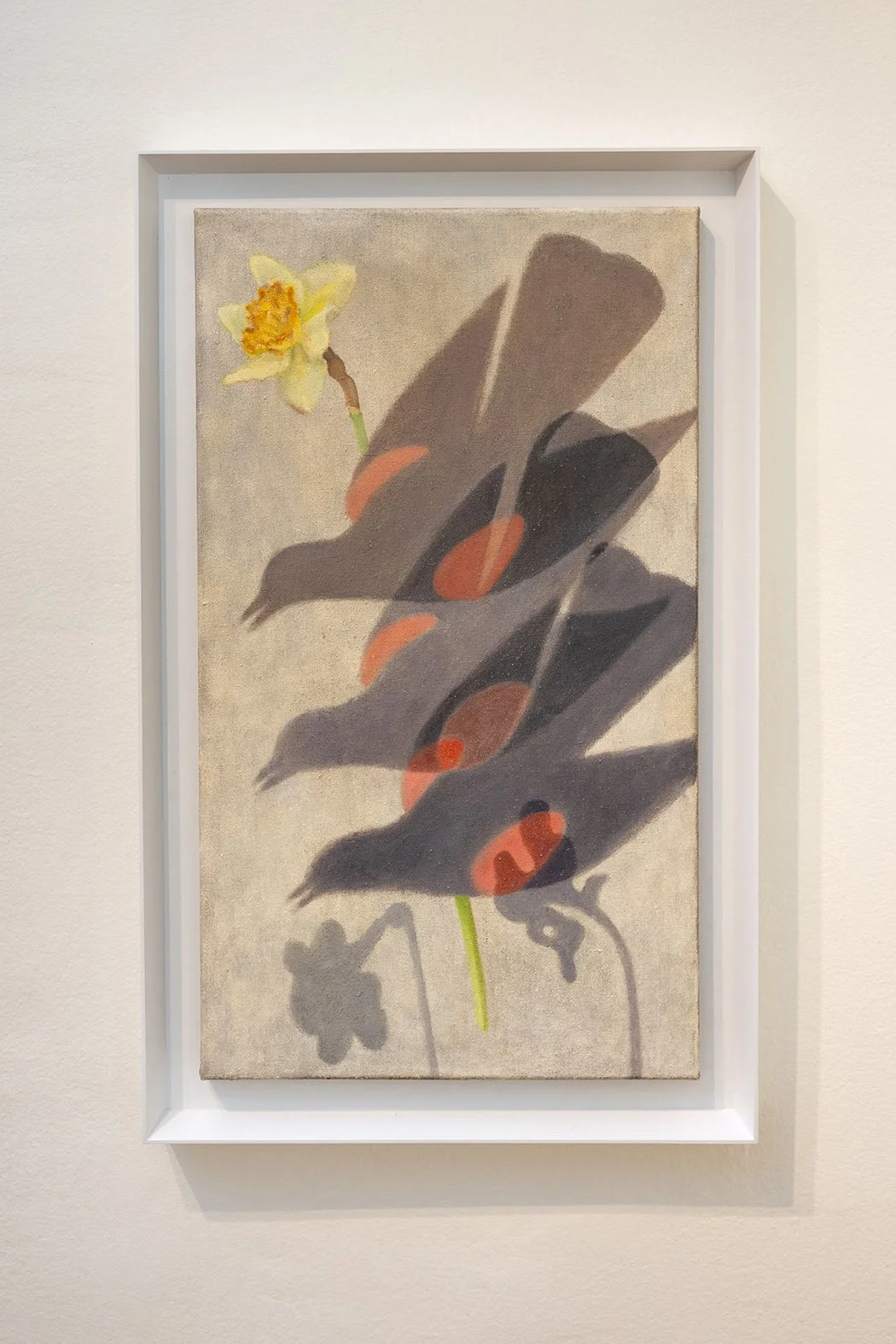
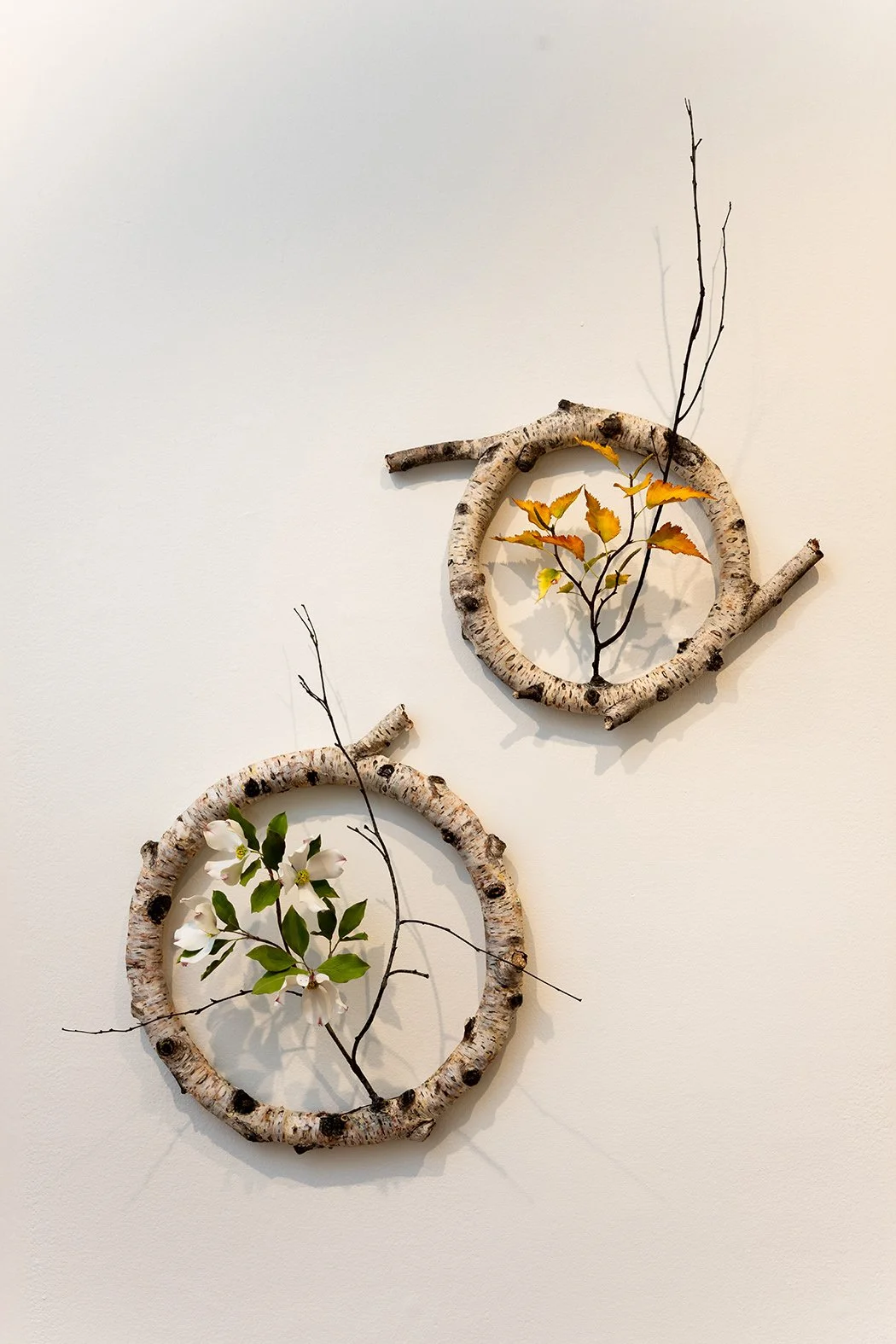
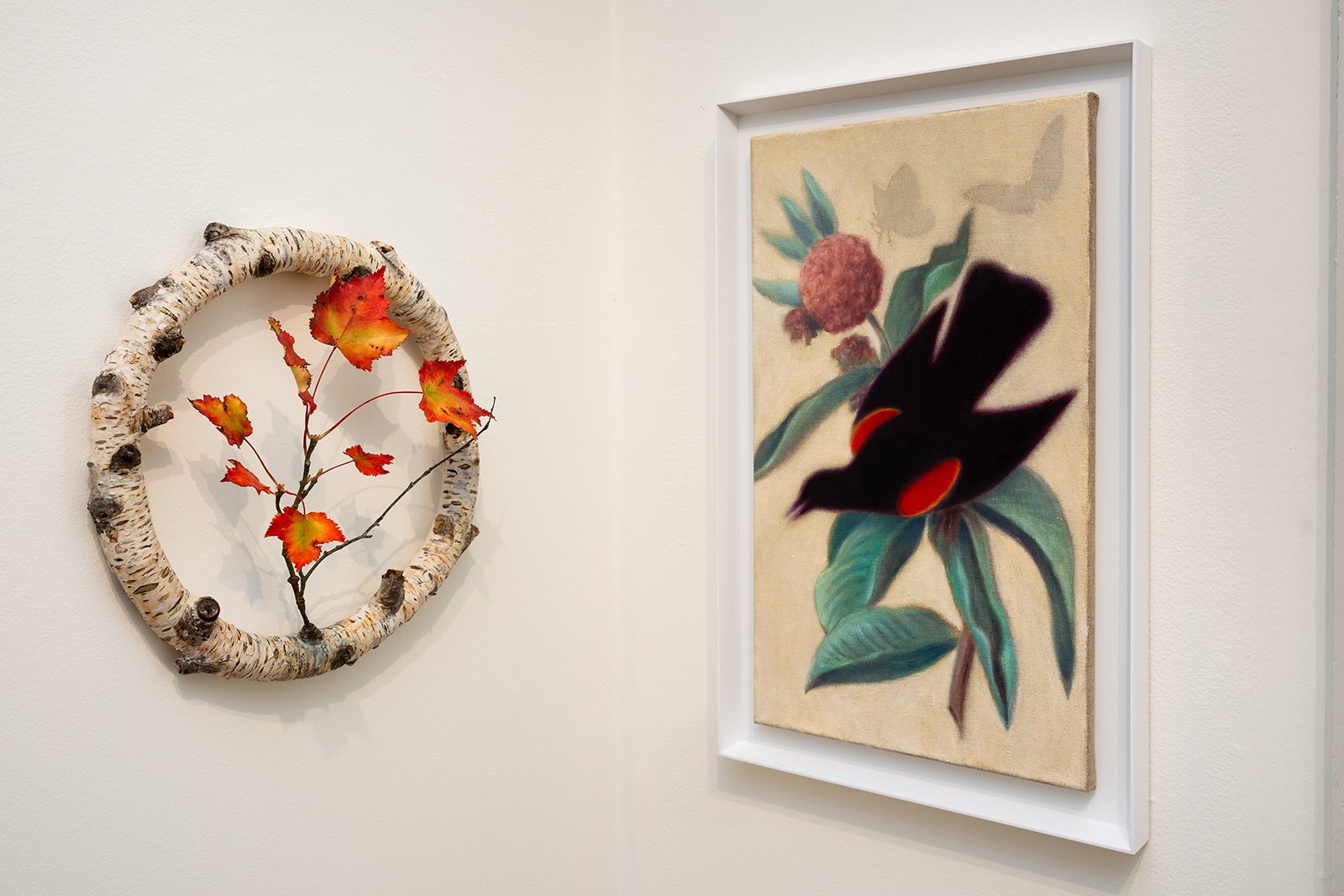
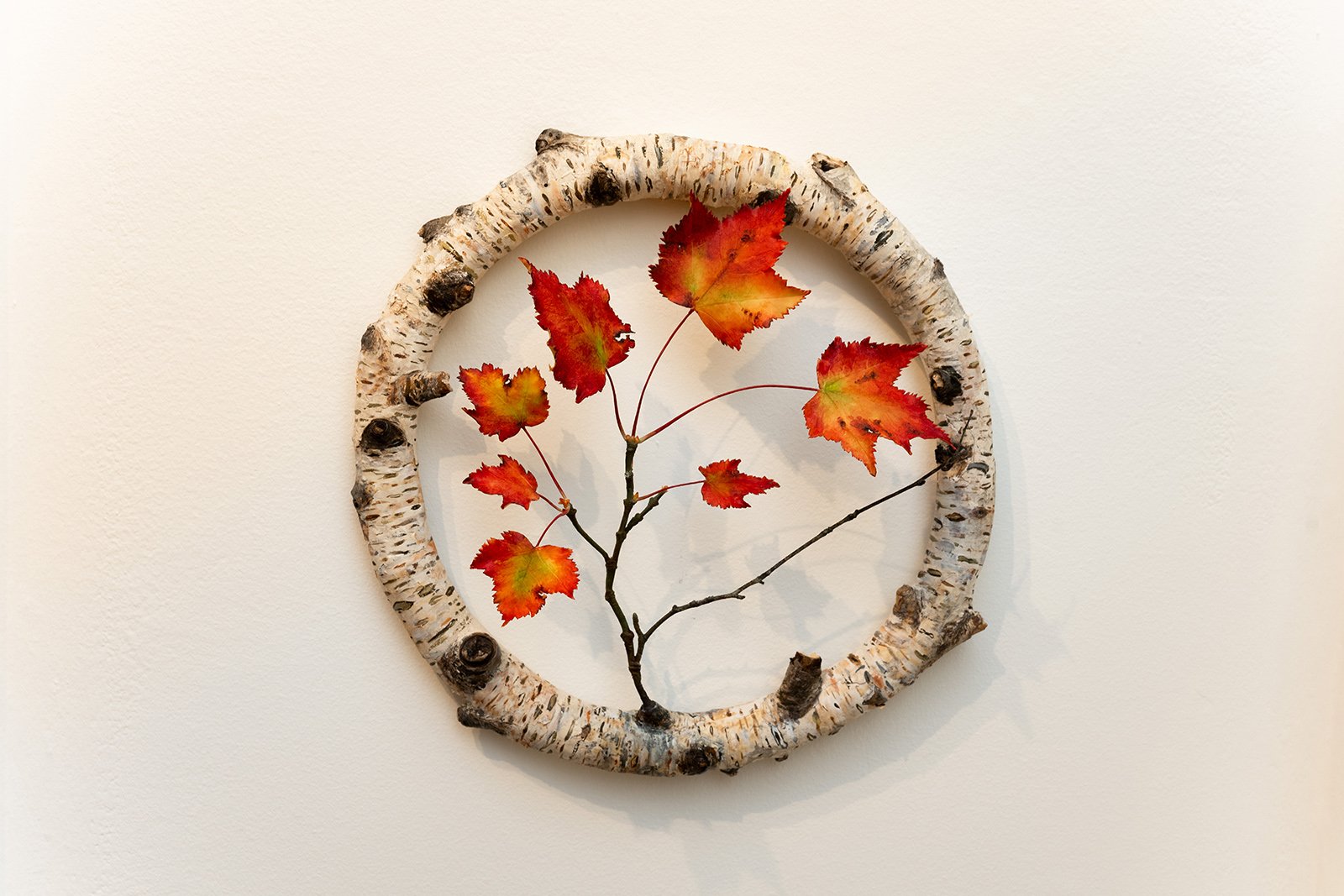
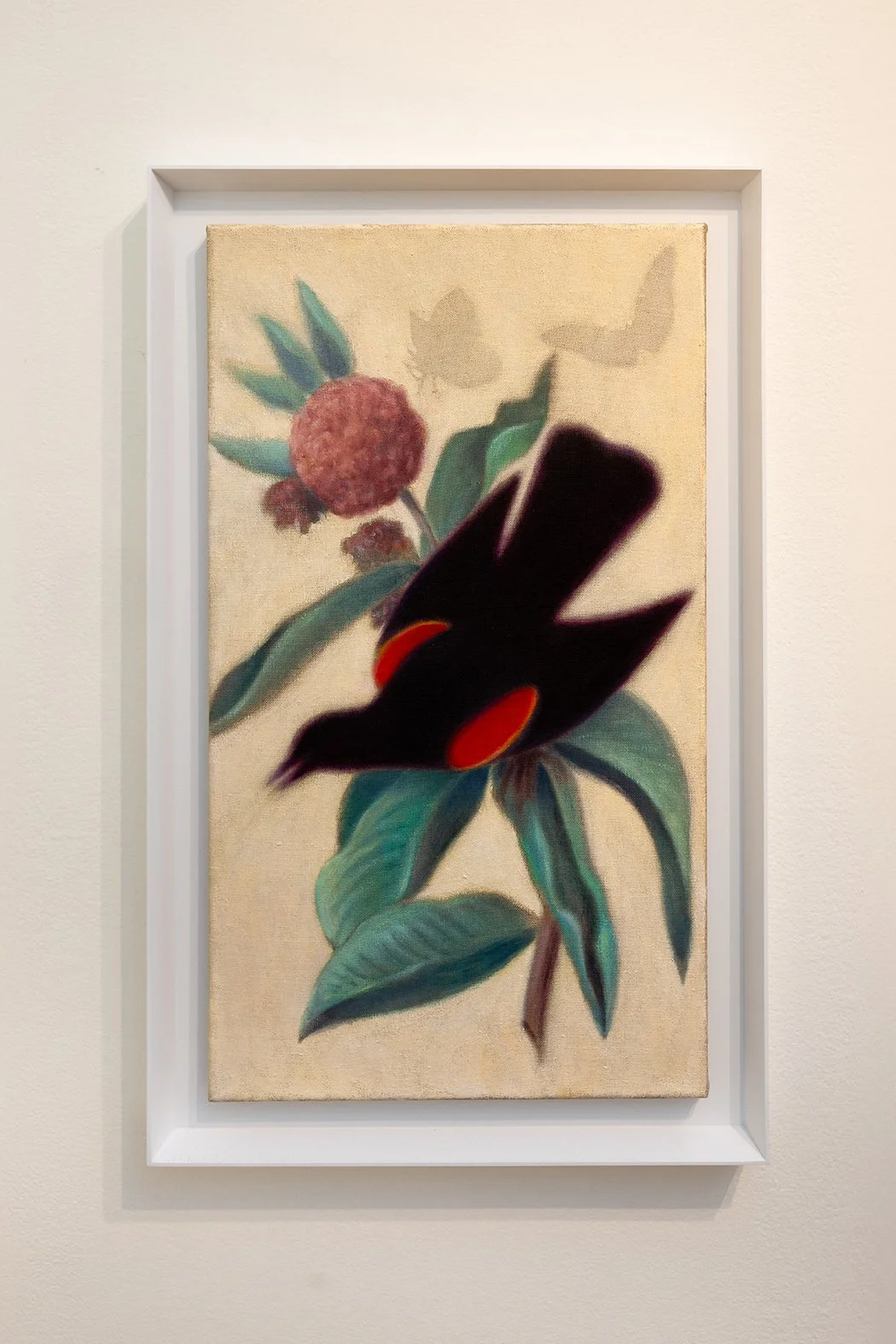
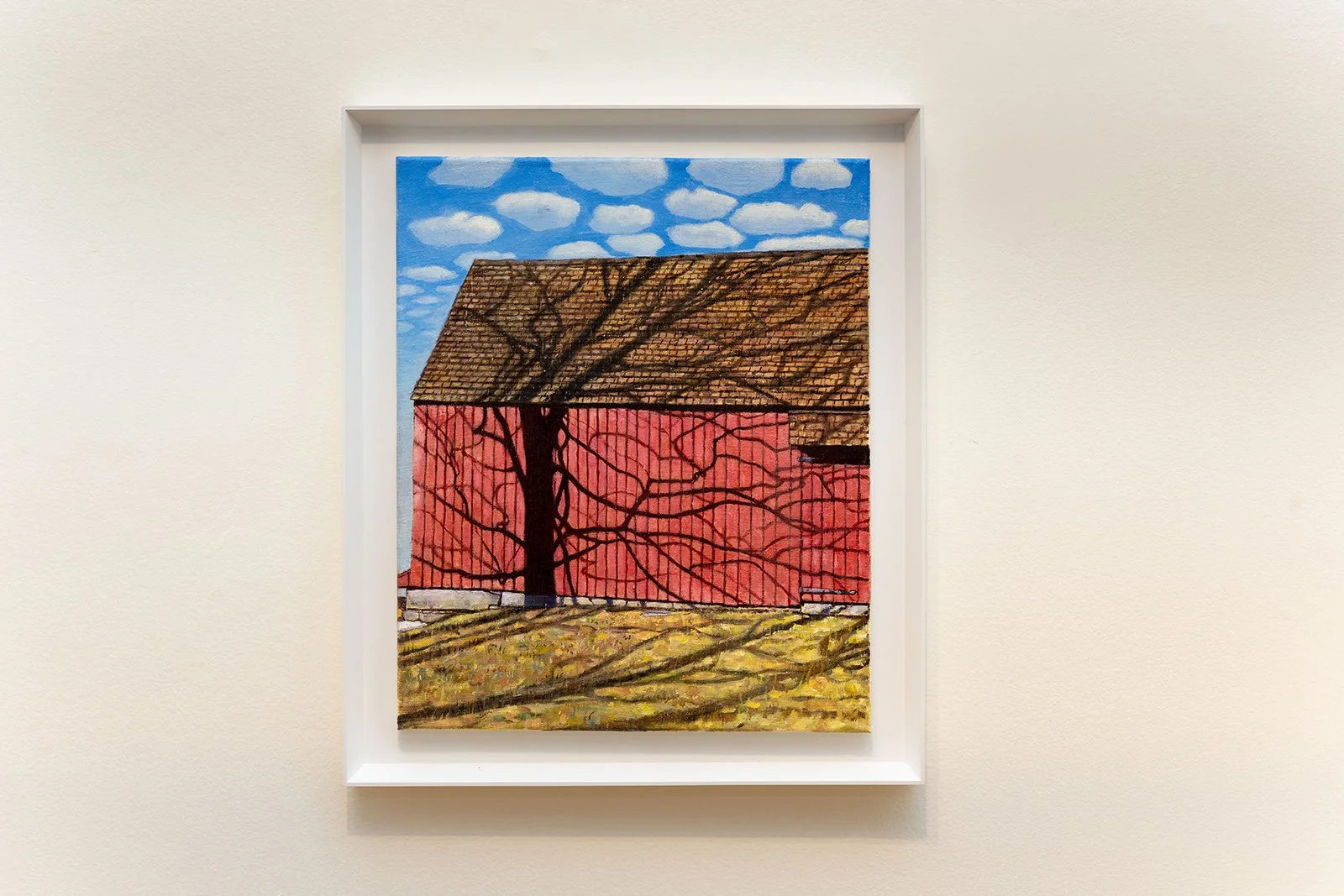
The Edward Hopper House Museum is proud to present a major new exhibition by artist, writer, and naturalist James Prosek. Through a stunning series of over twenty new works—including watercolors of native grasses, plein air canvases, and innovative sculptures—Prosek invites visitors to explore how we classify, name, and communicate our place within the natural world.
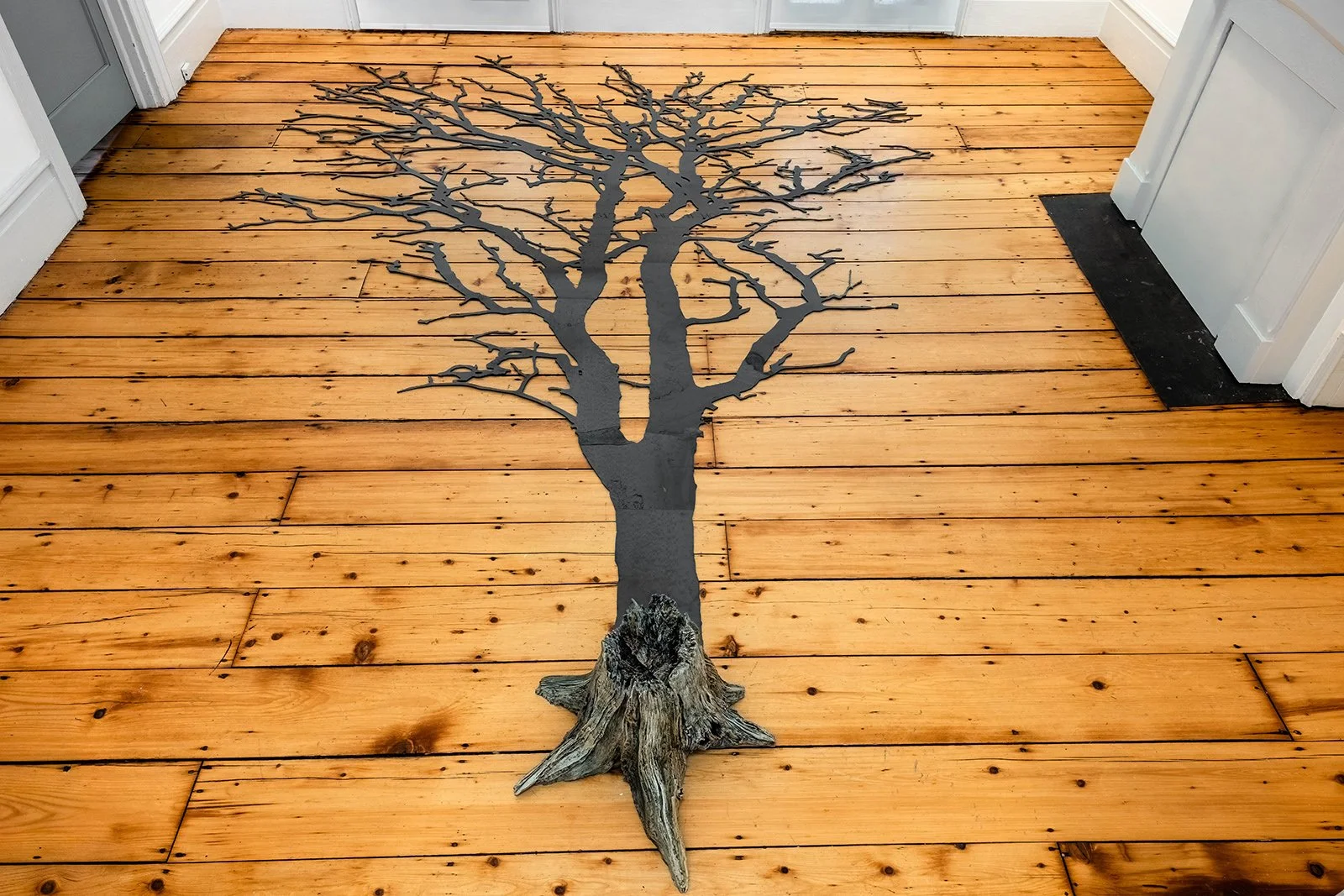
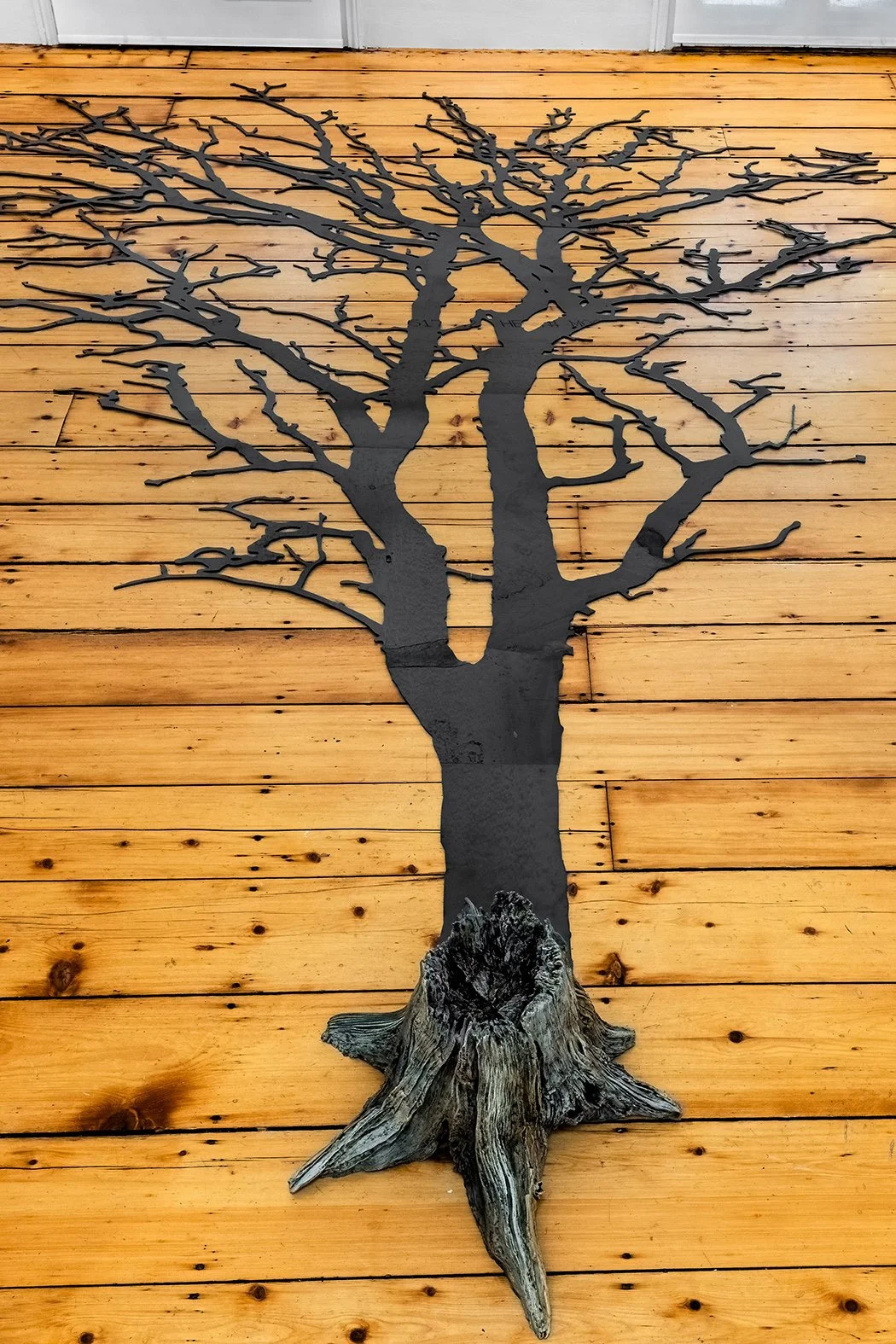
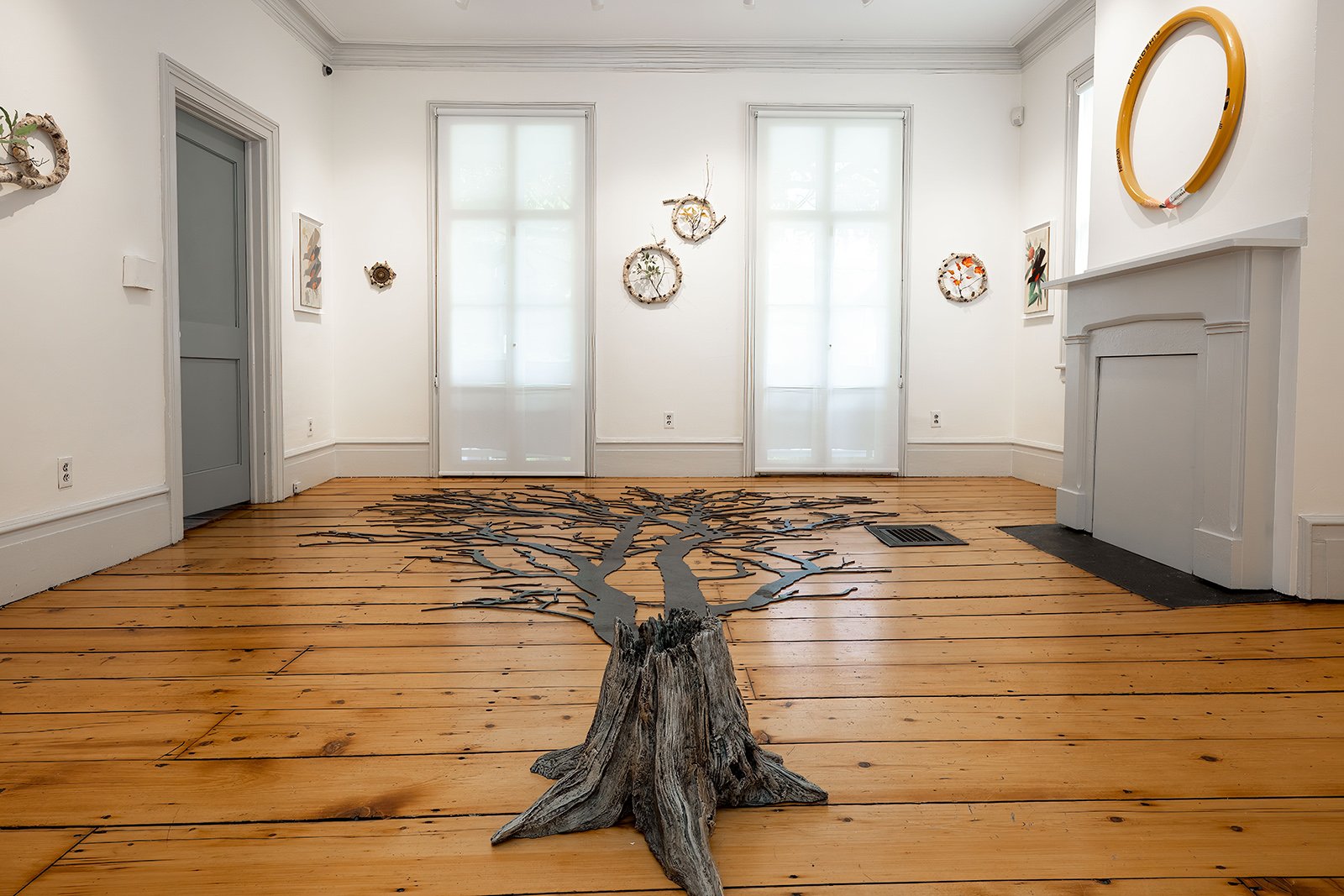
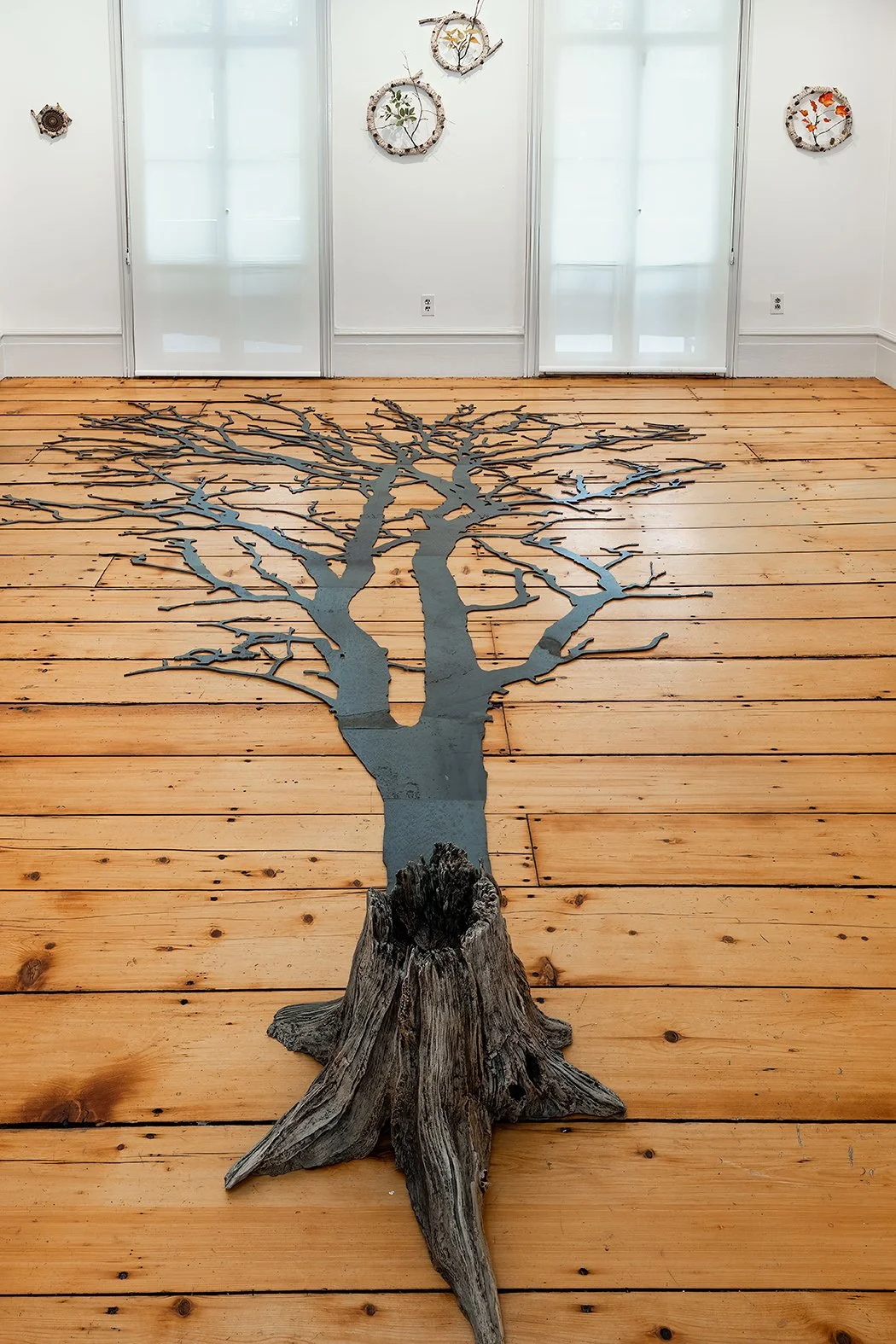
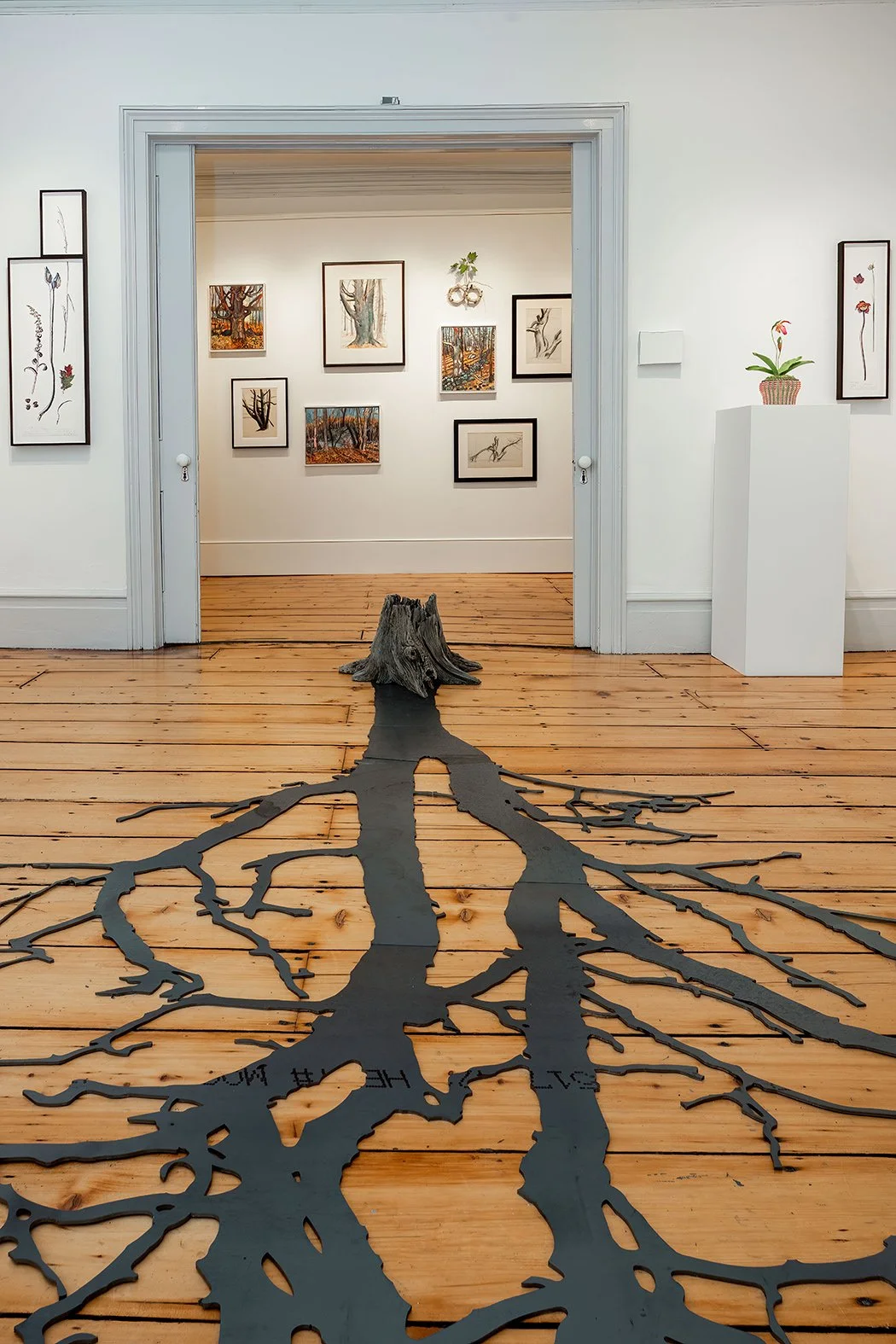
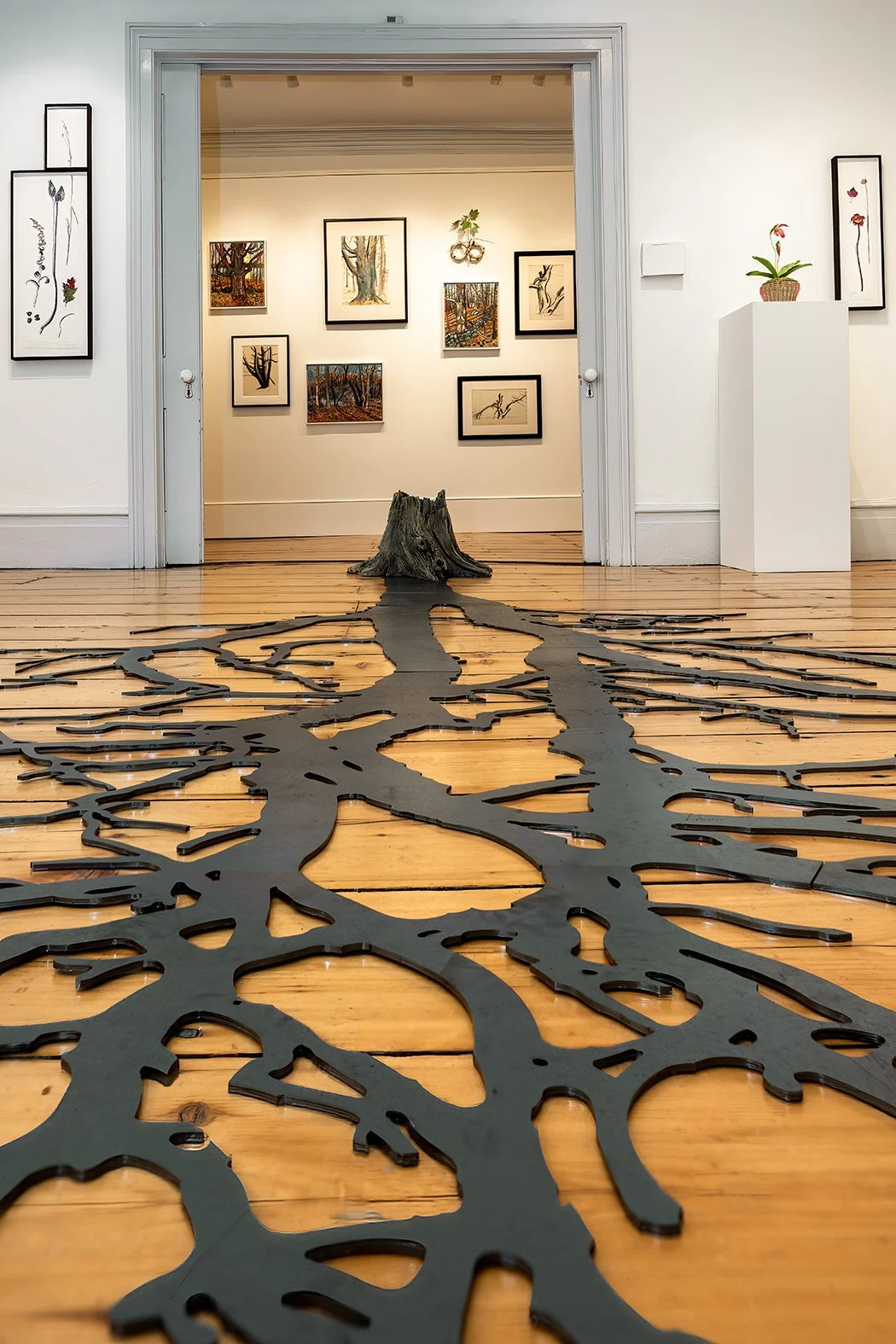
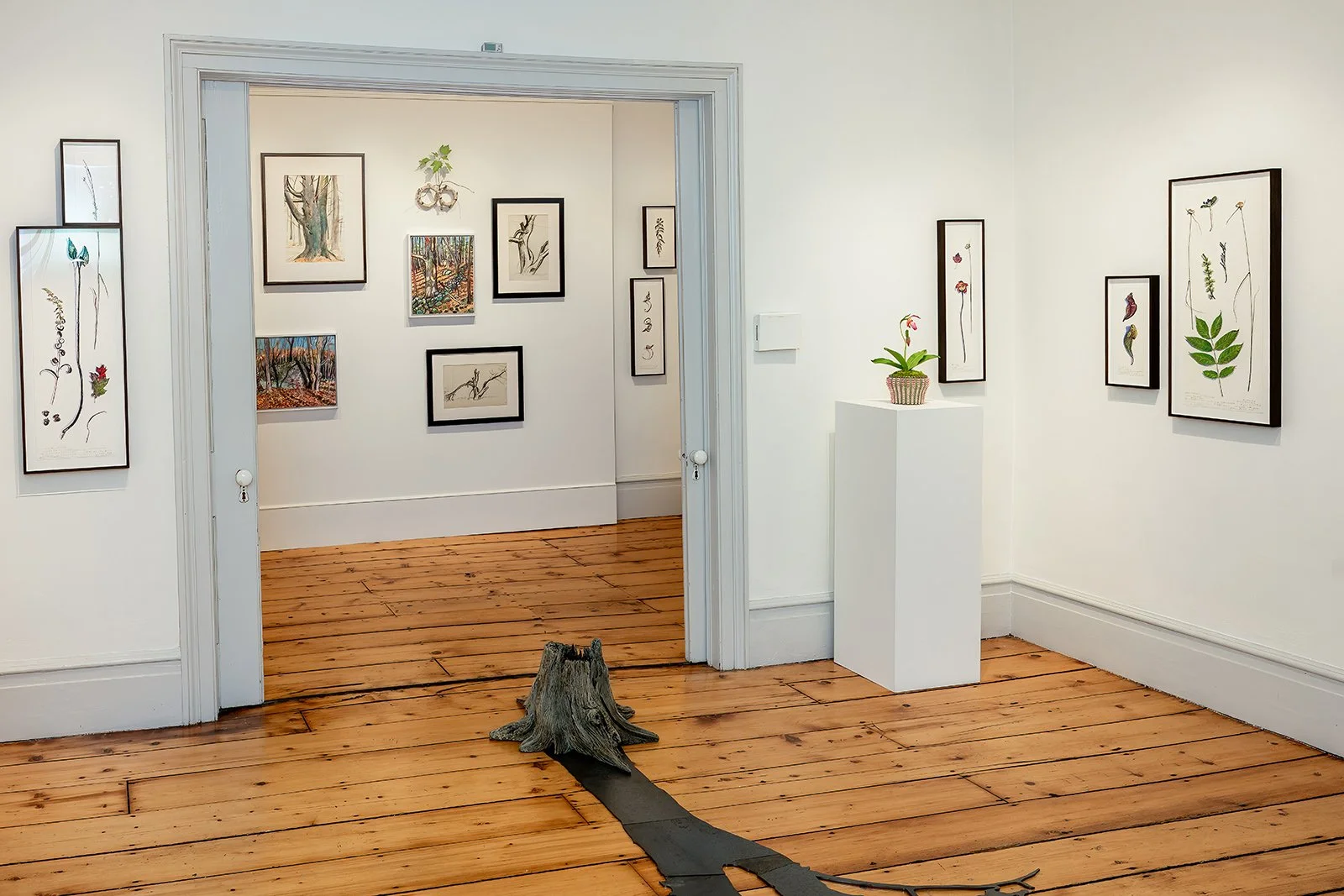
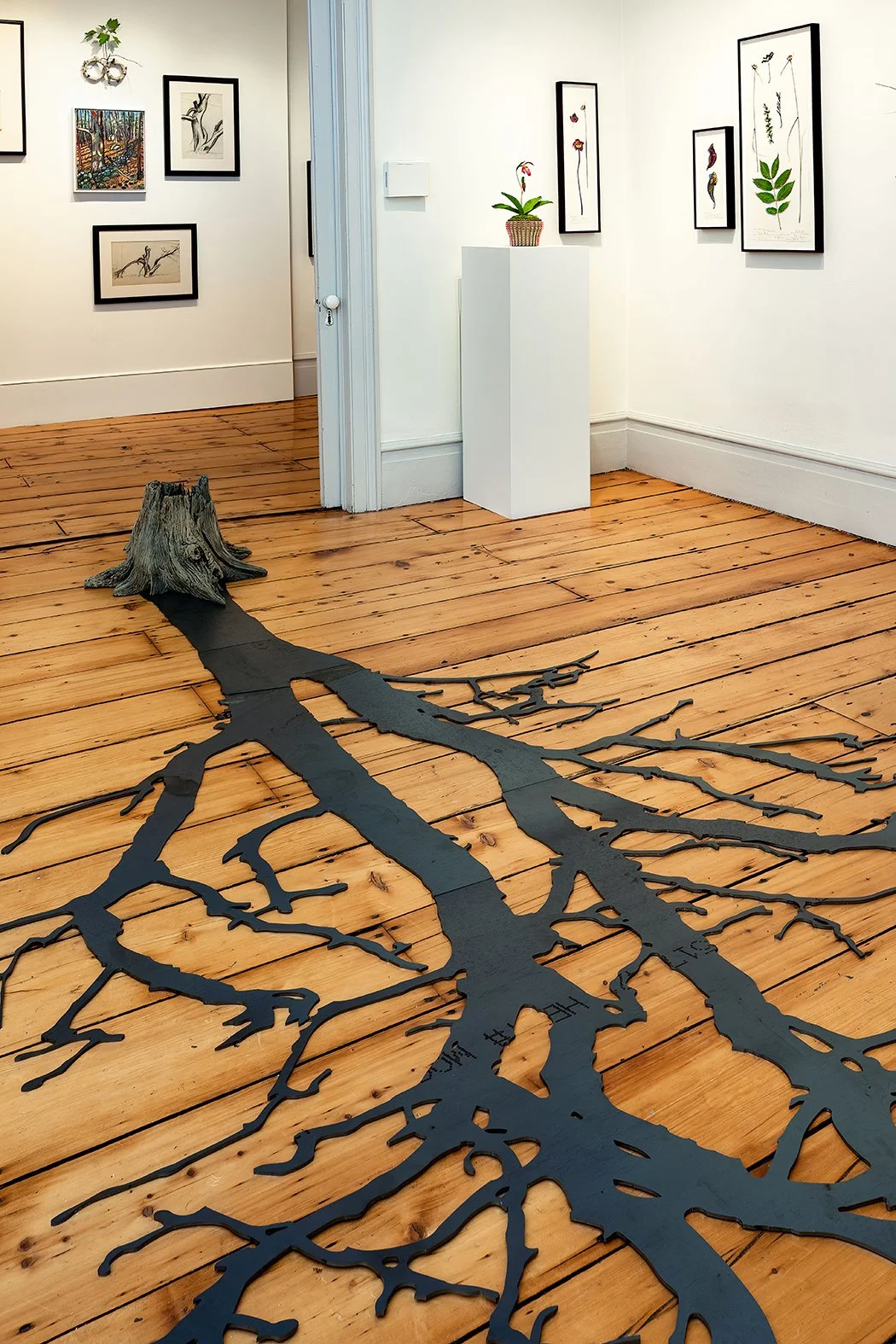
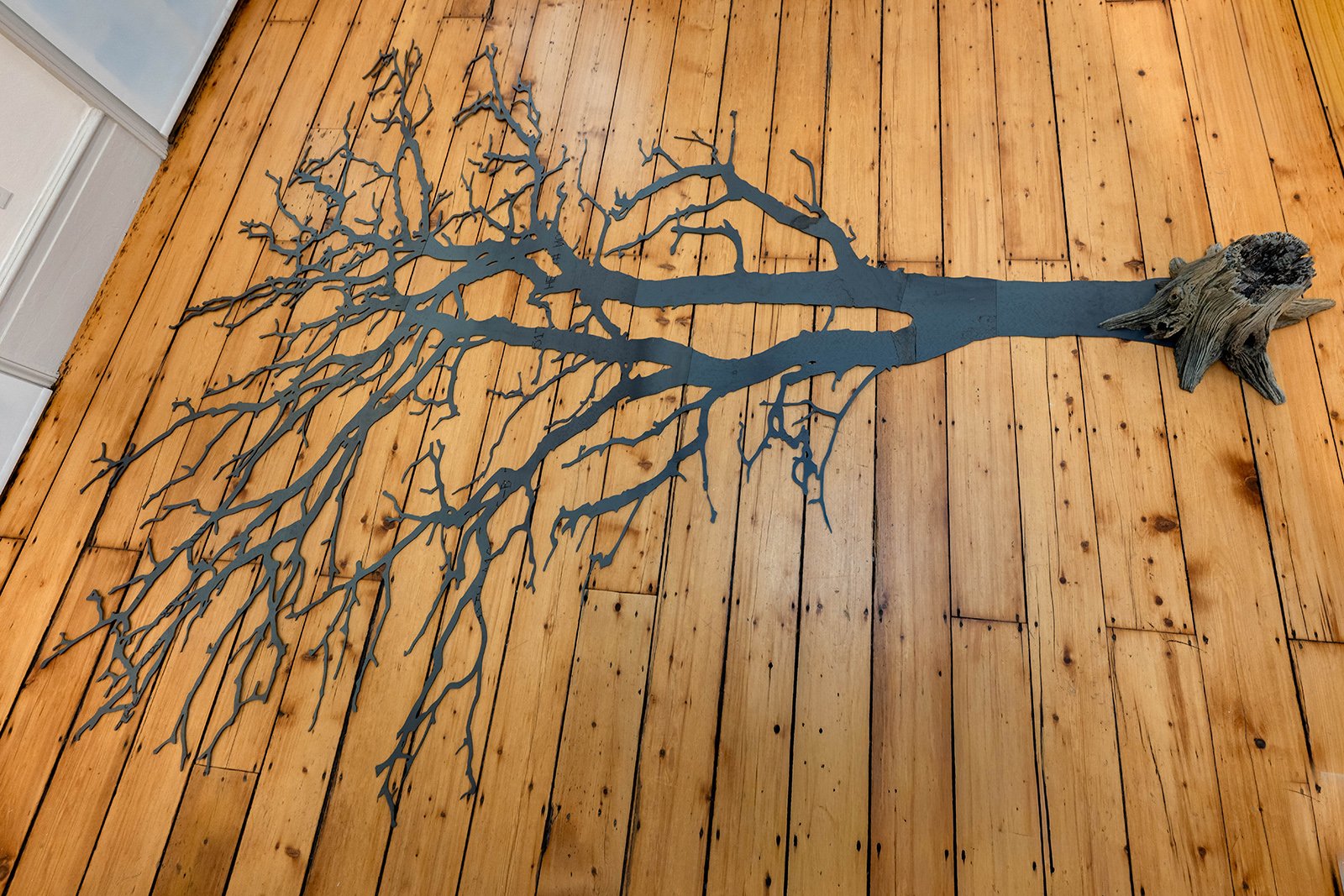
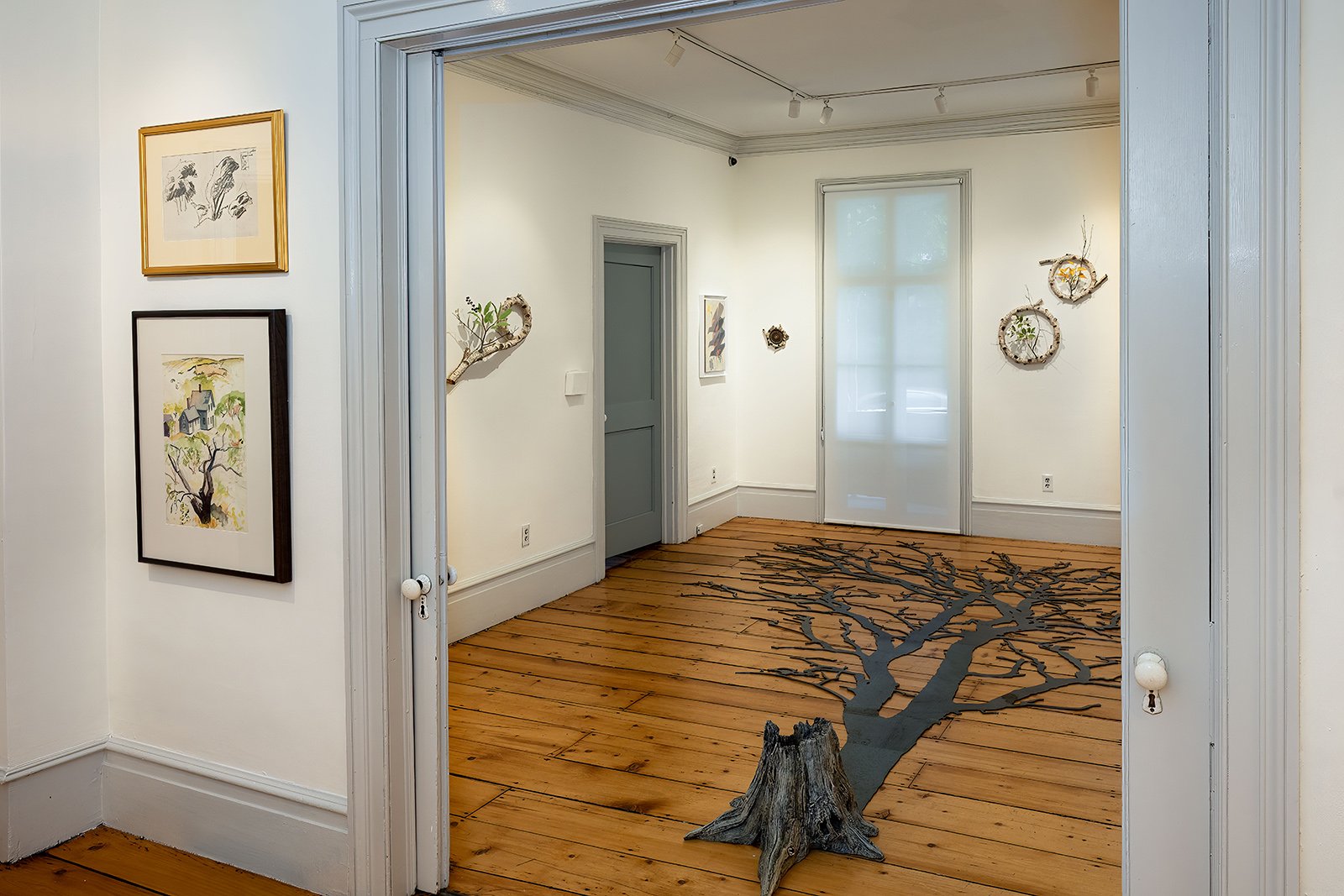
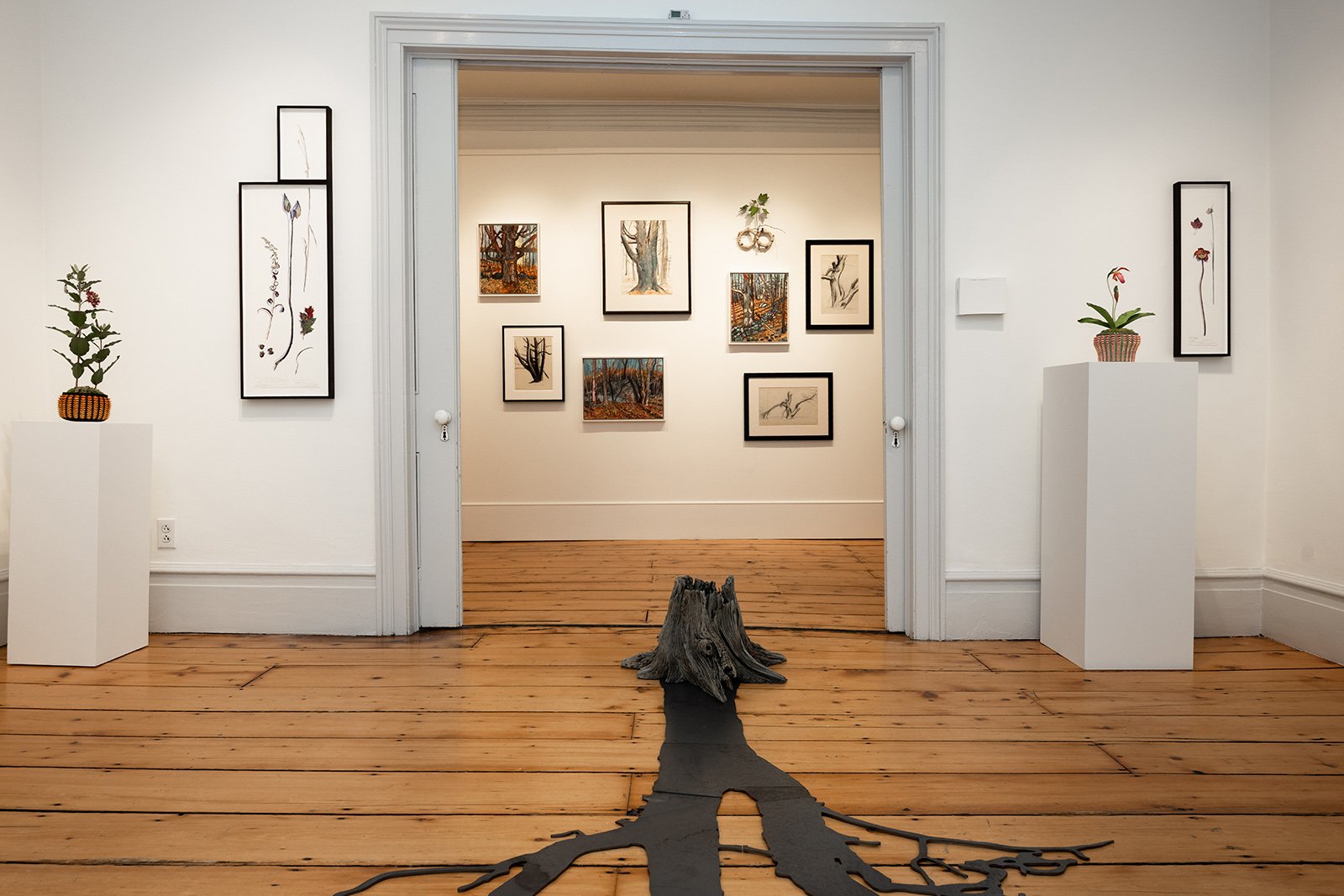
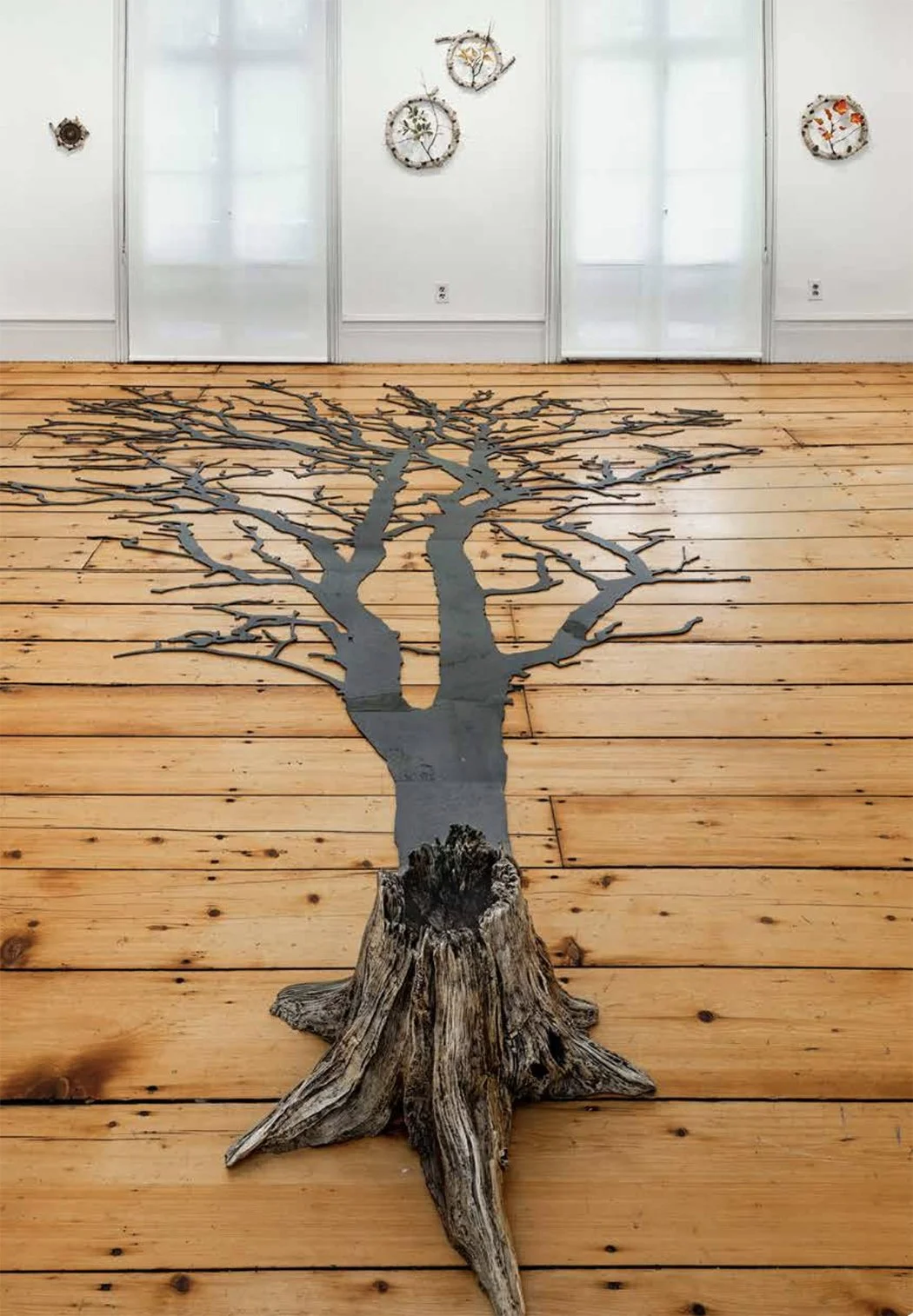
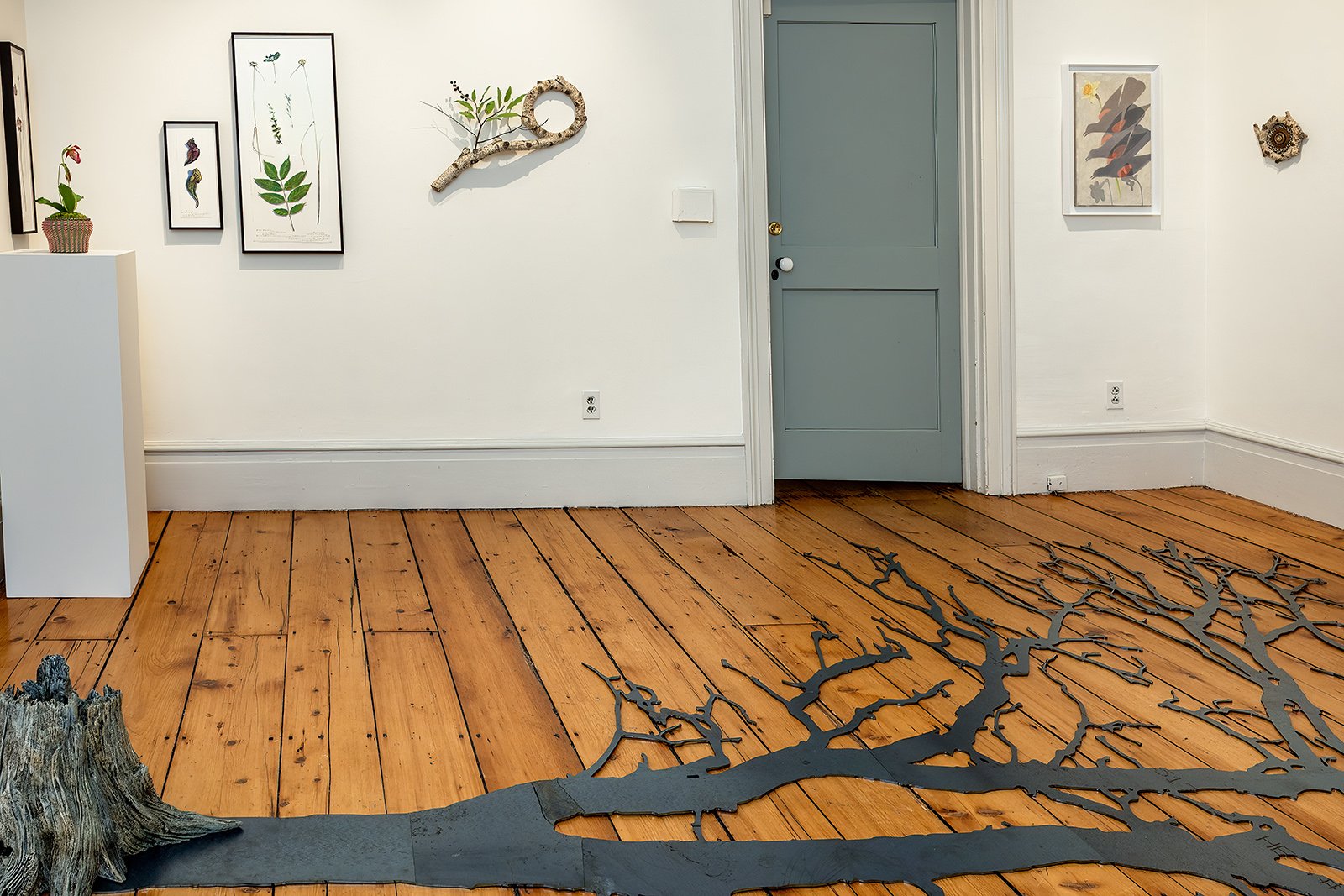
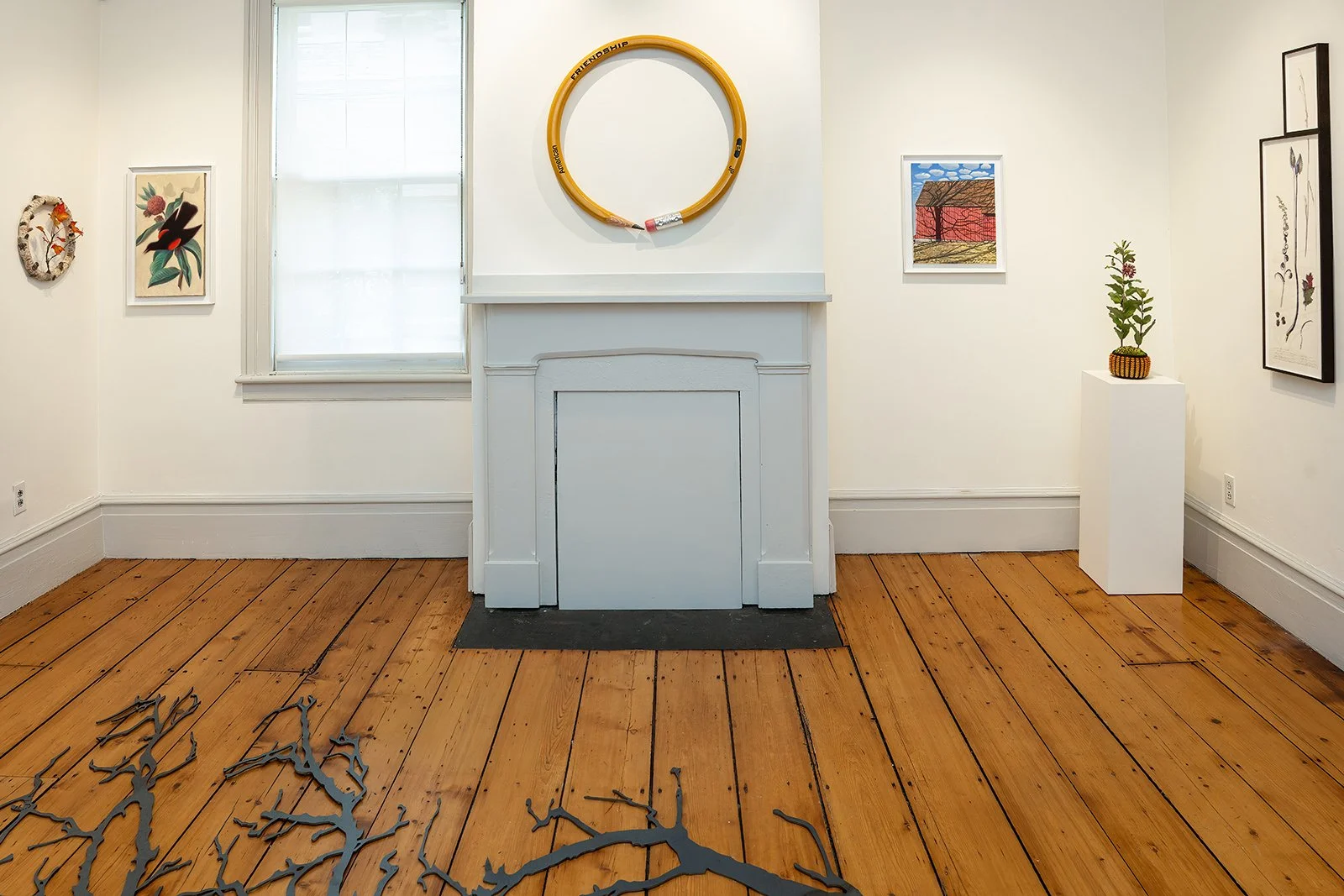
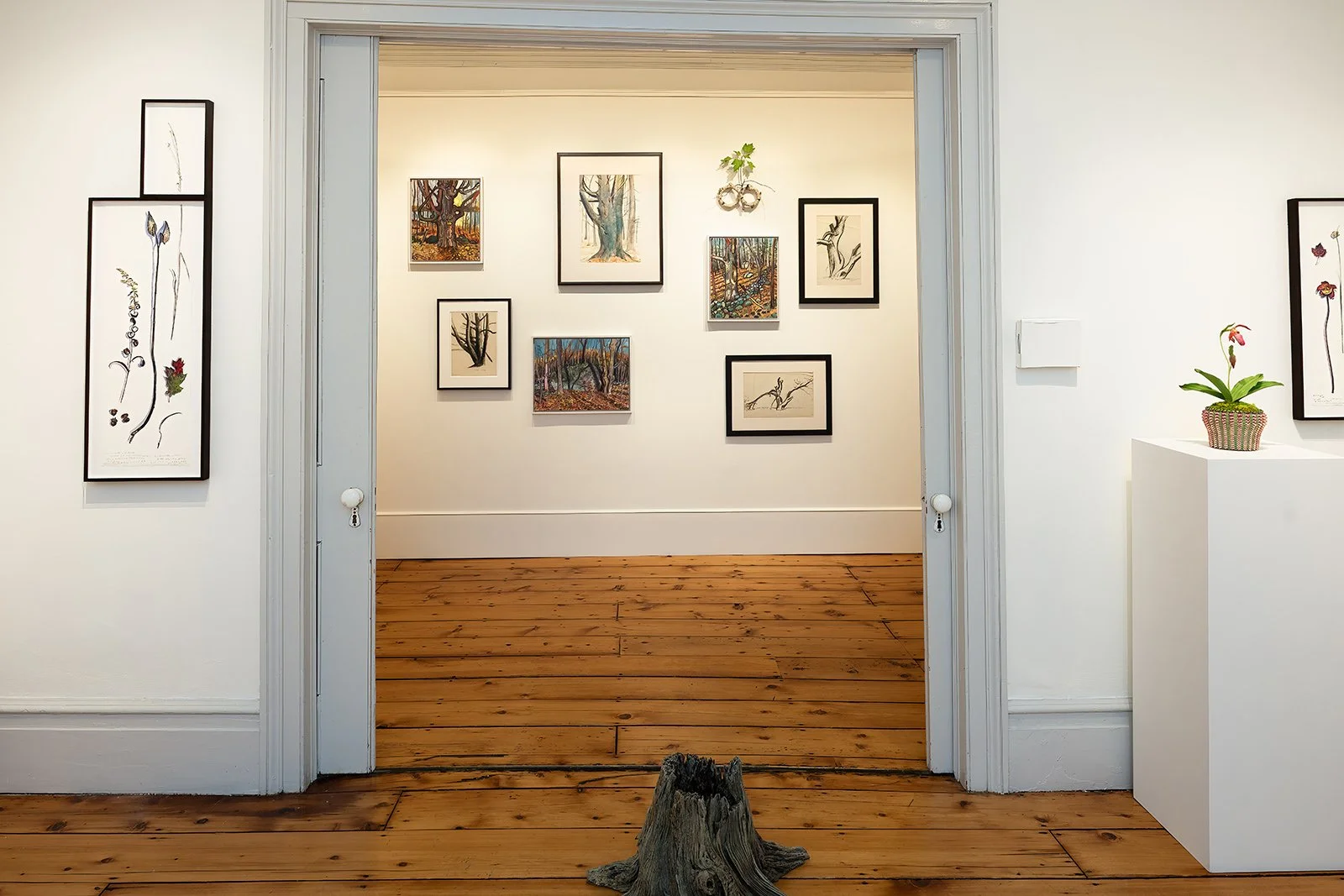
At the heart of Memory, Trees & Shadows is a central bronze tree stump. From its base, a cut-steel shadow of a living tree stretches across the gallery floor, serving as a powerful meditation on what persists in memory and matter after loss.
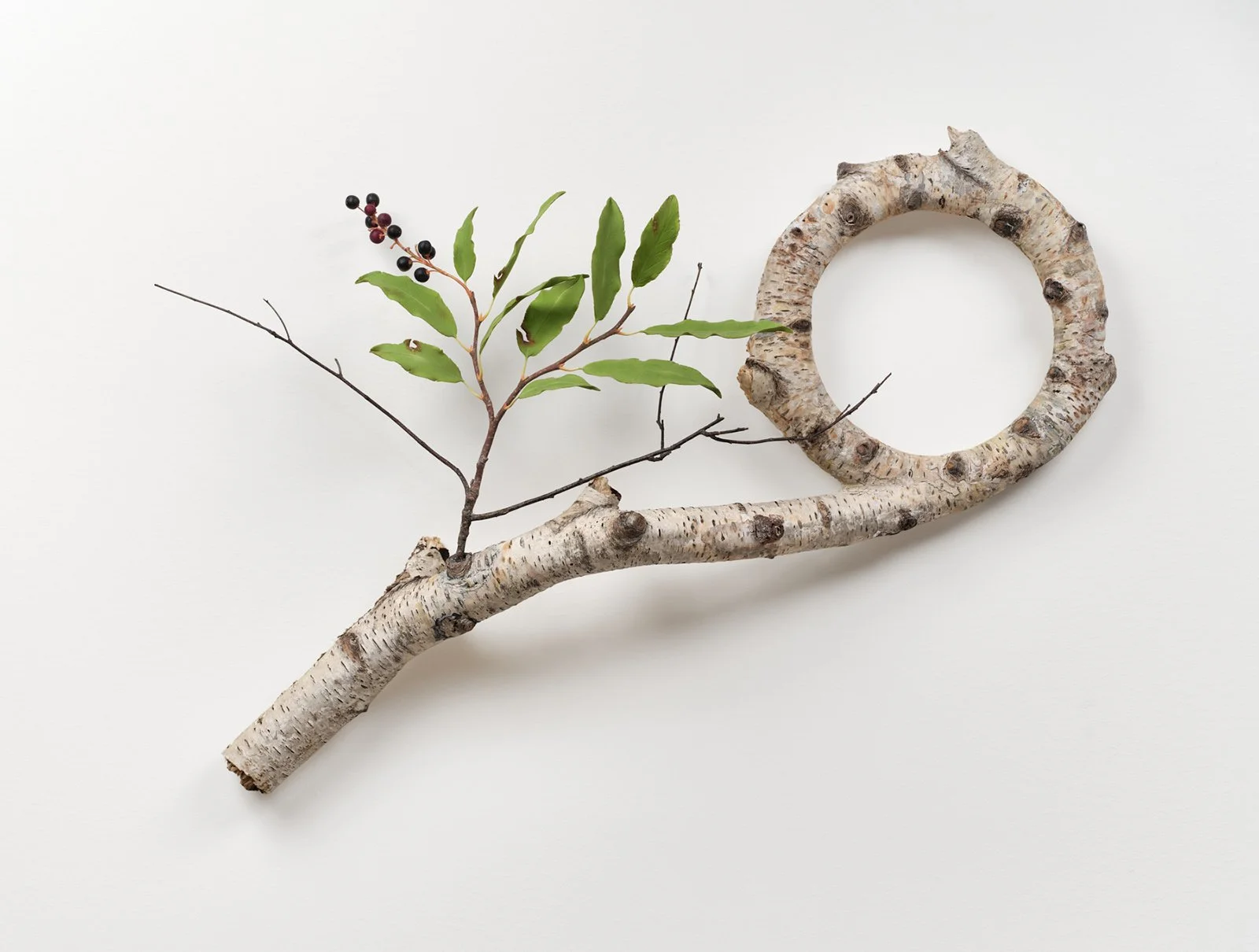
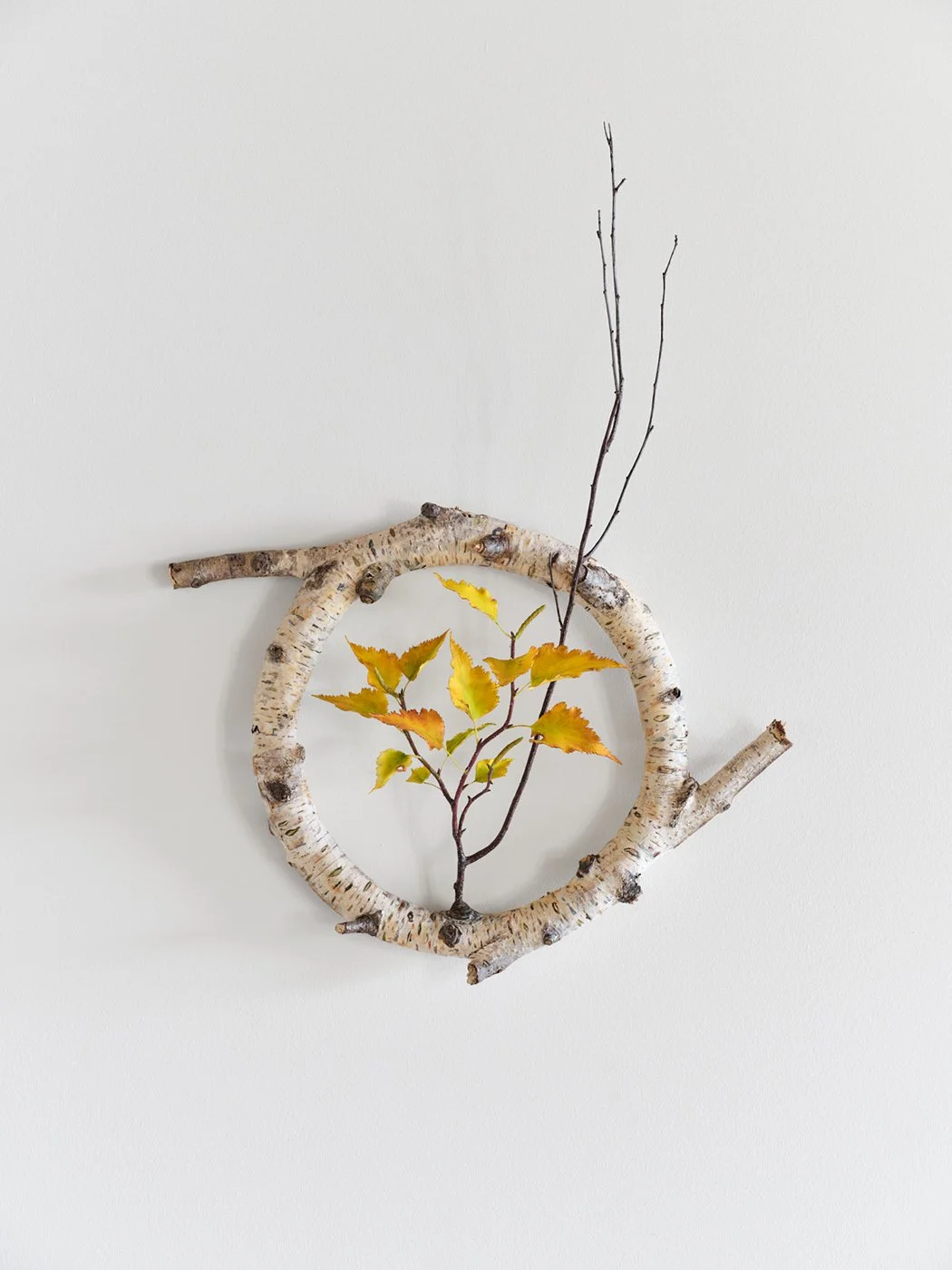
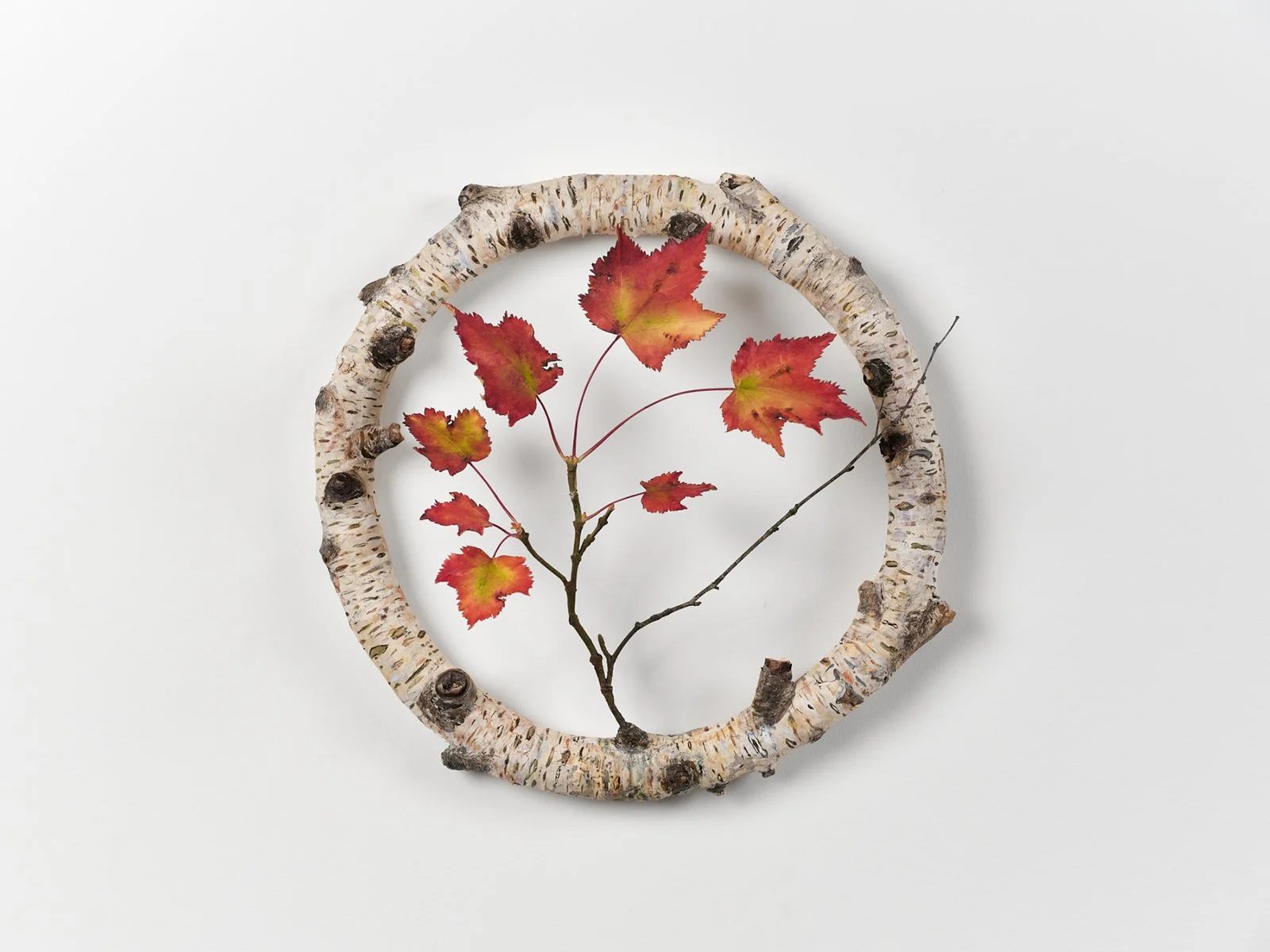
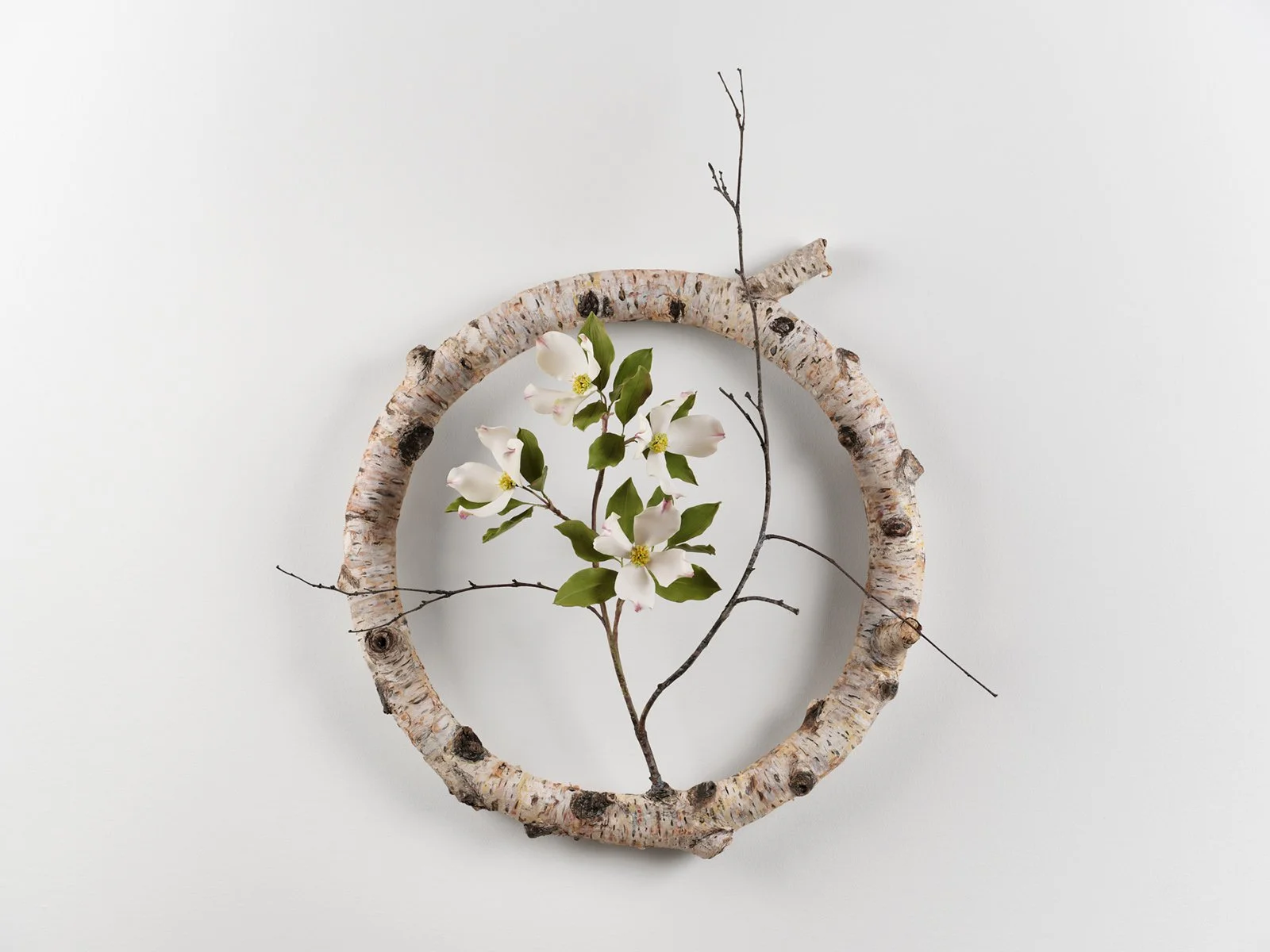
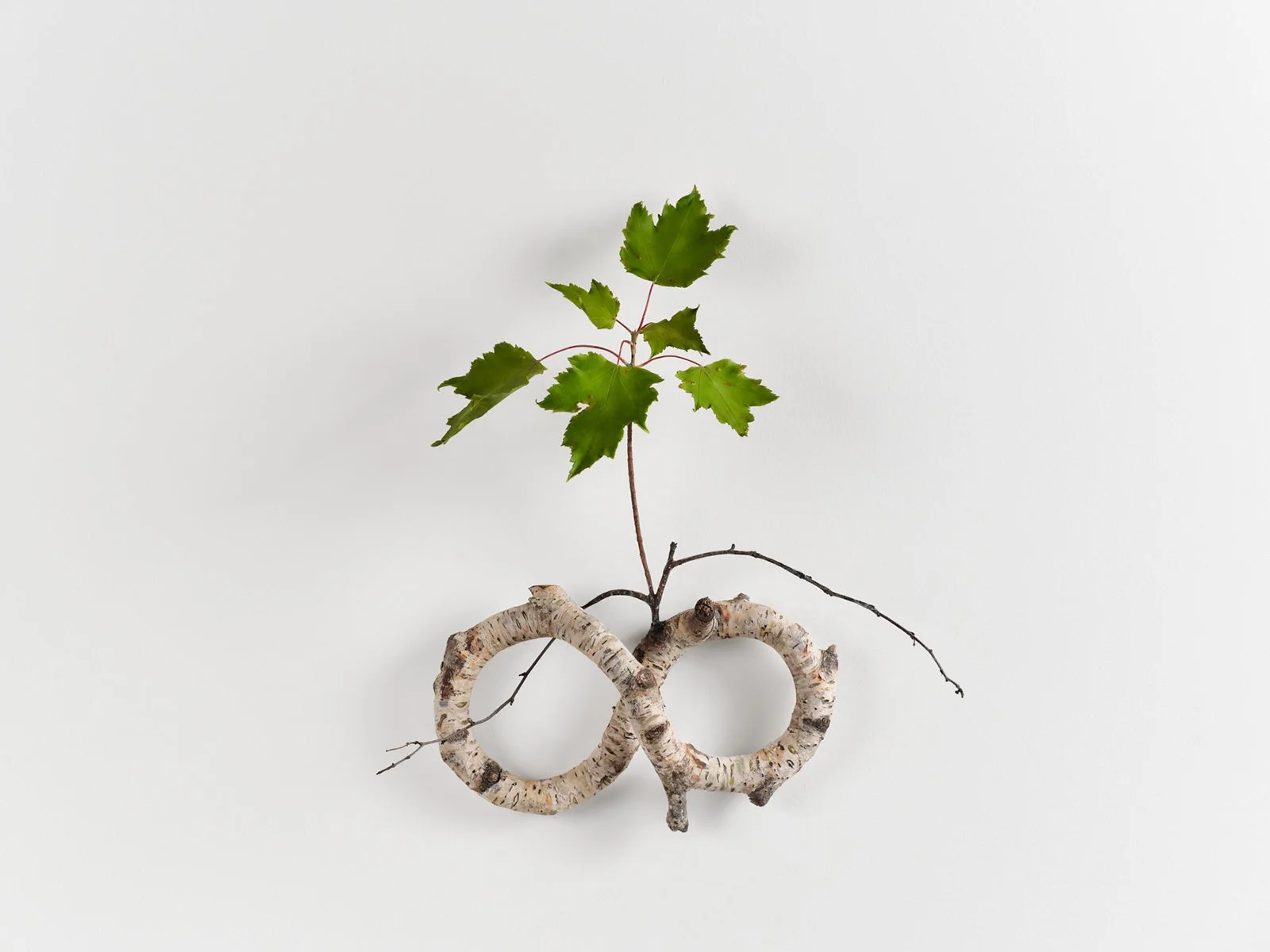
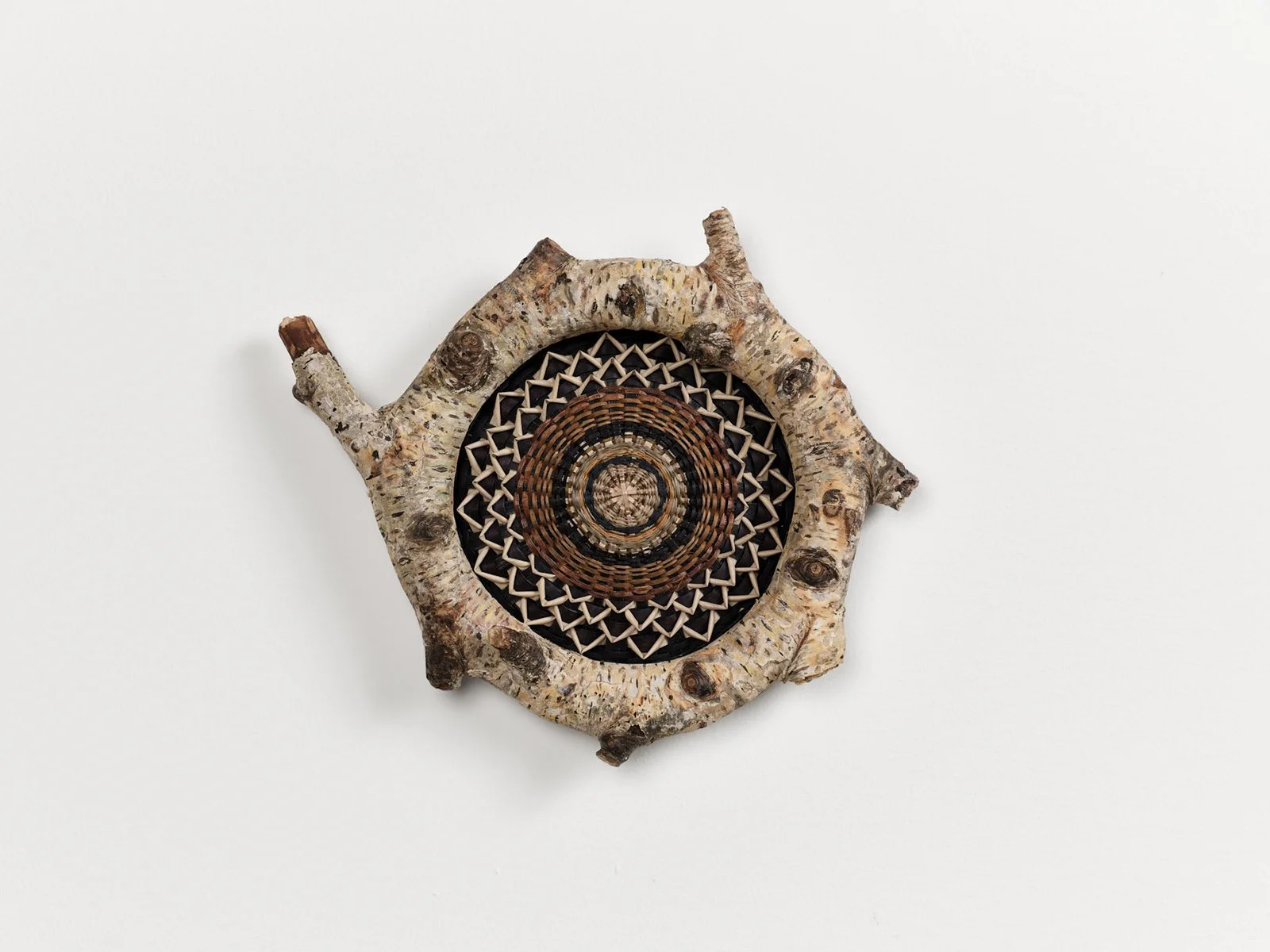
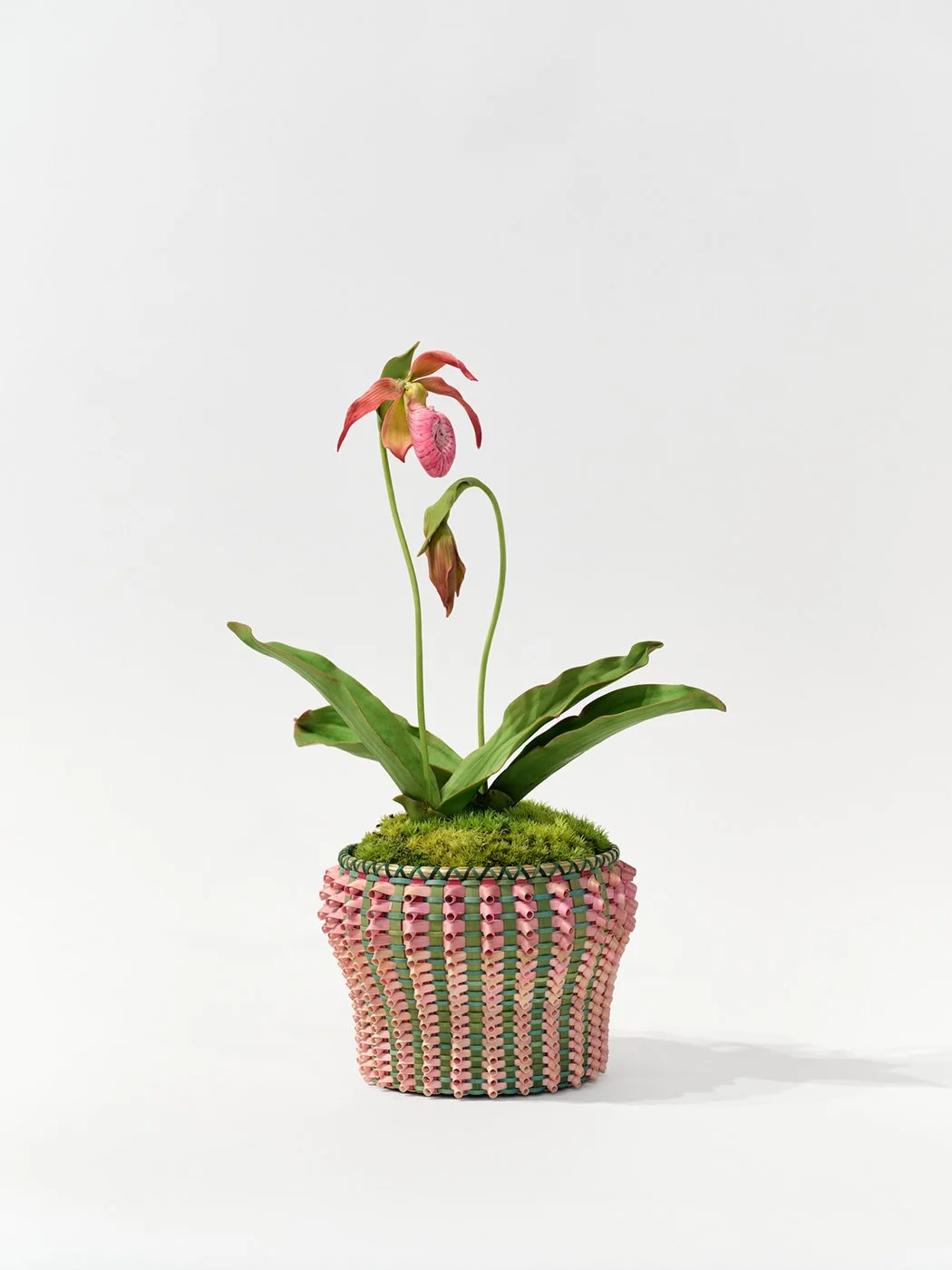
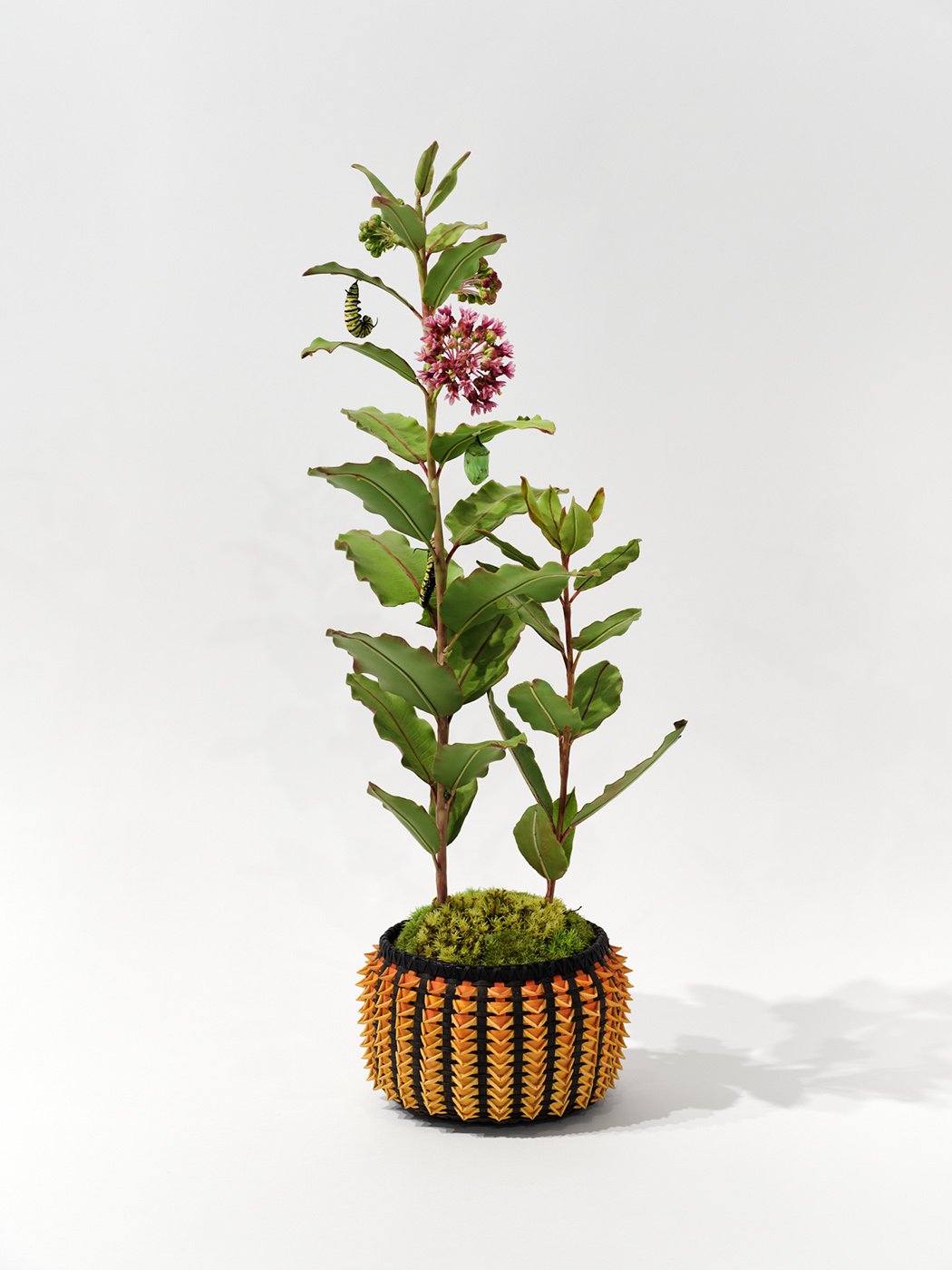
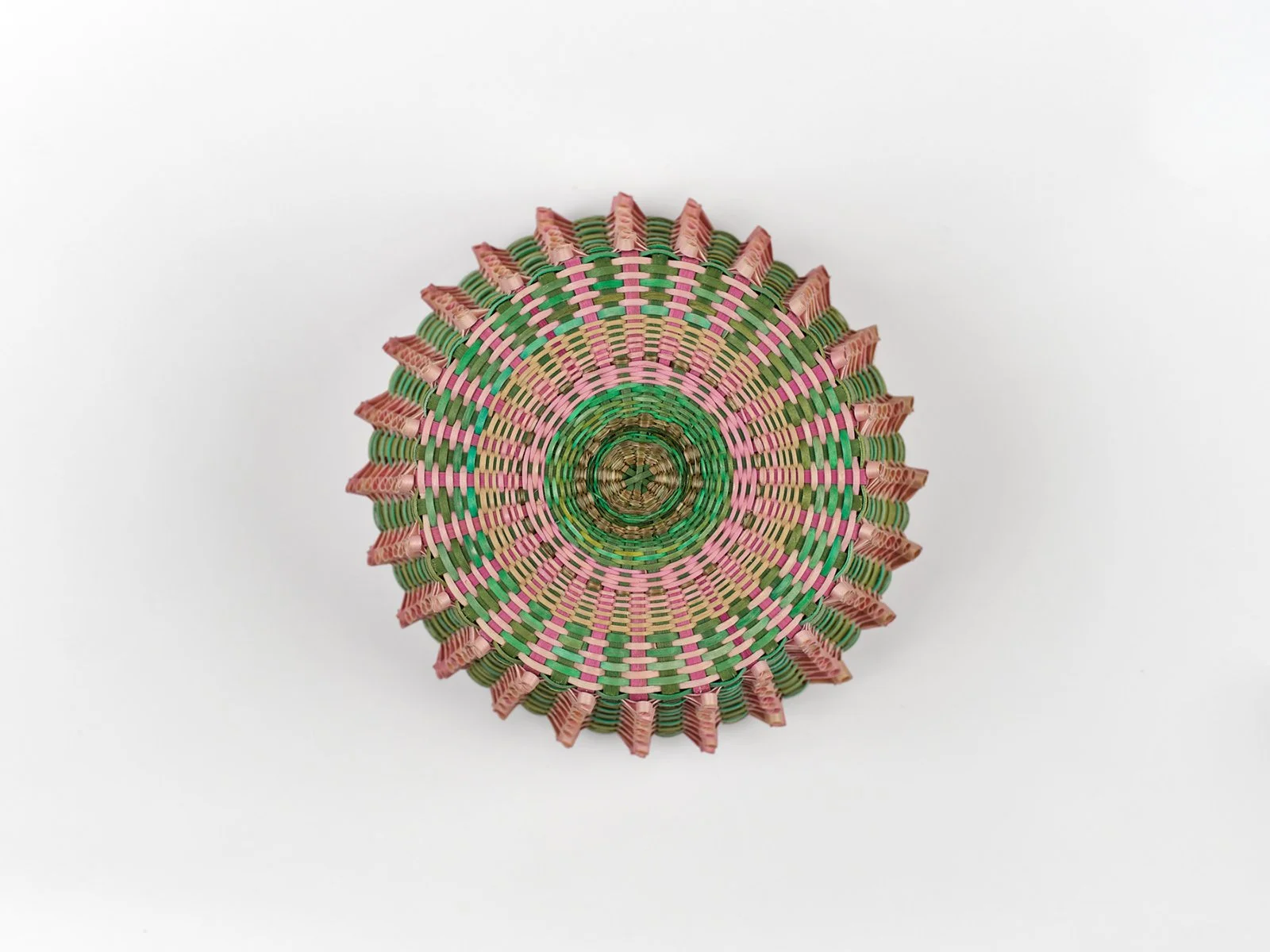
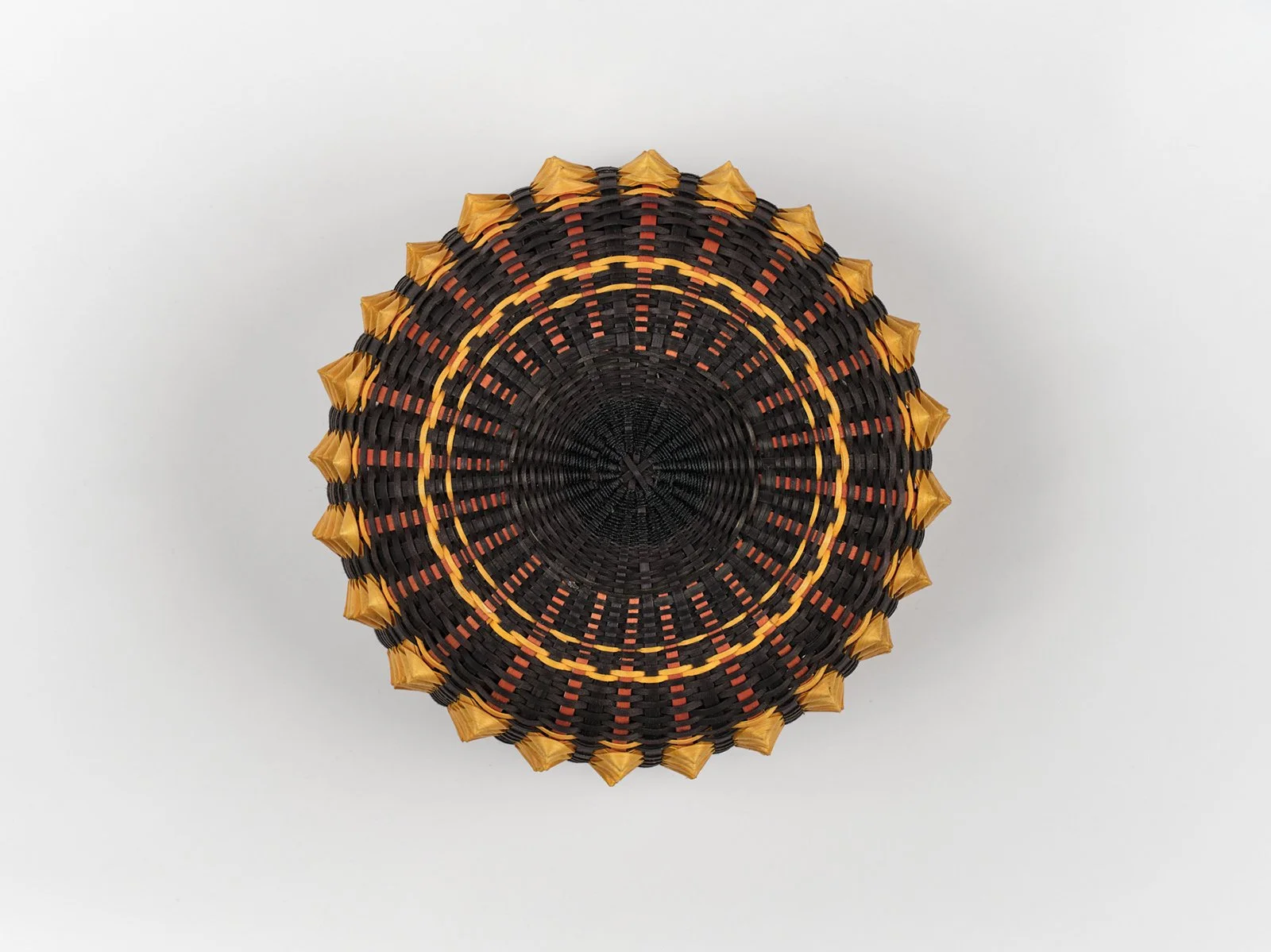
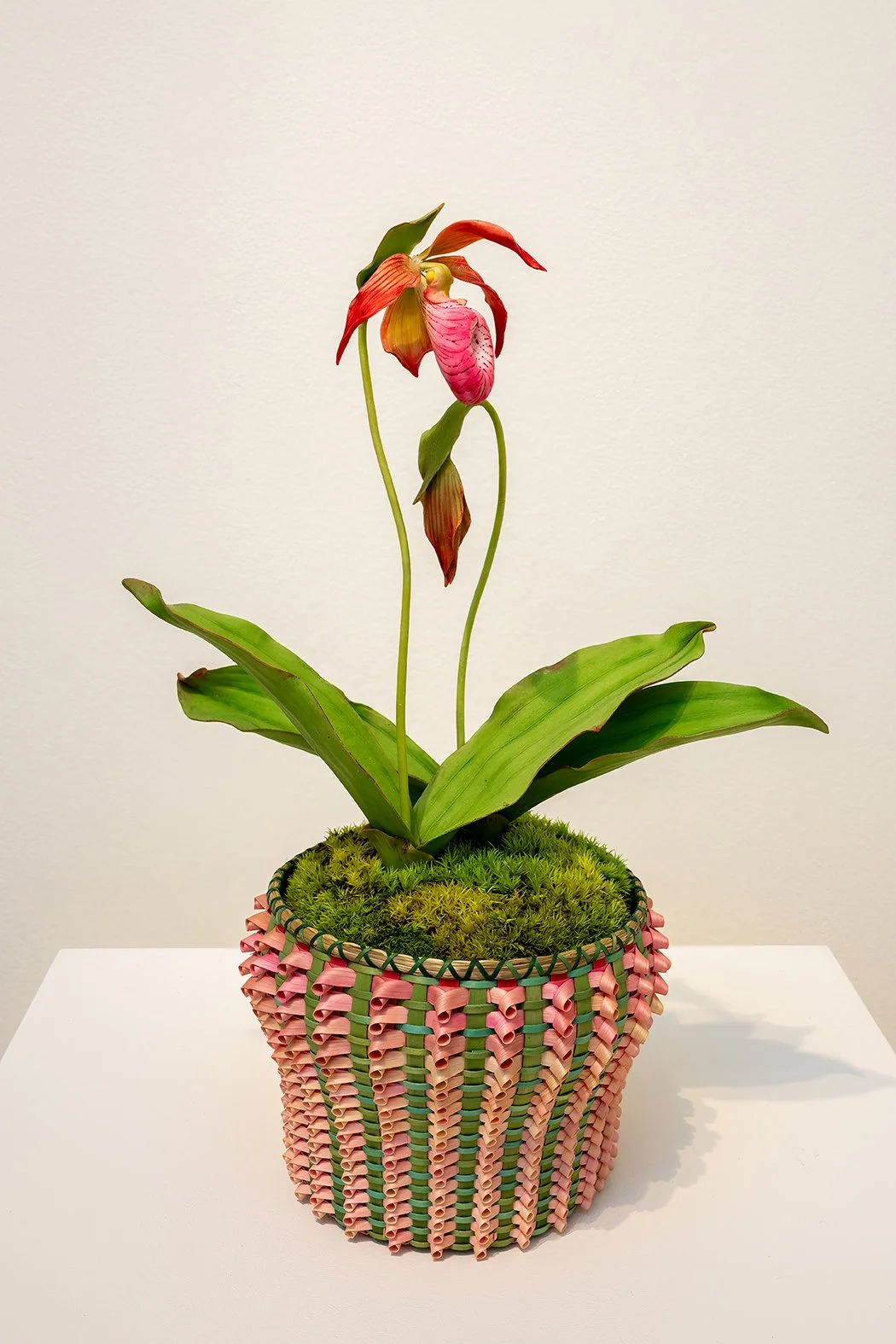
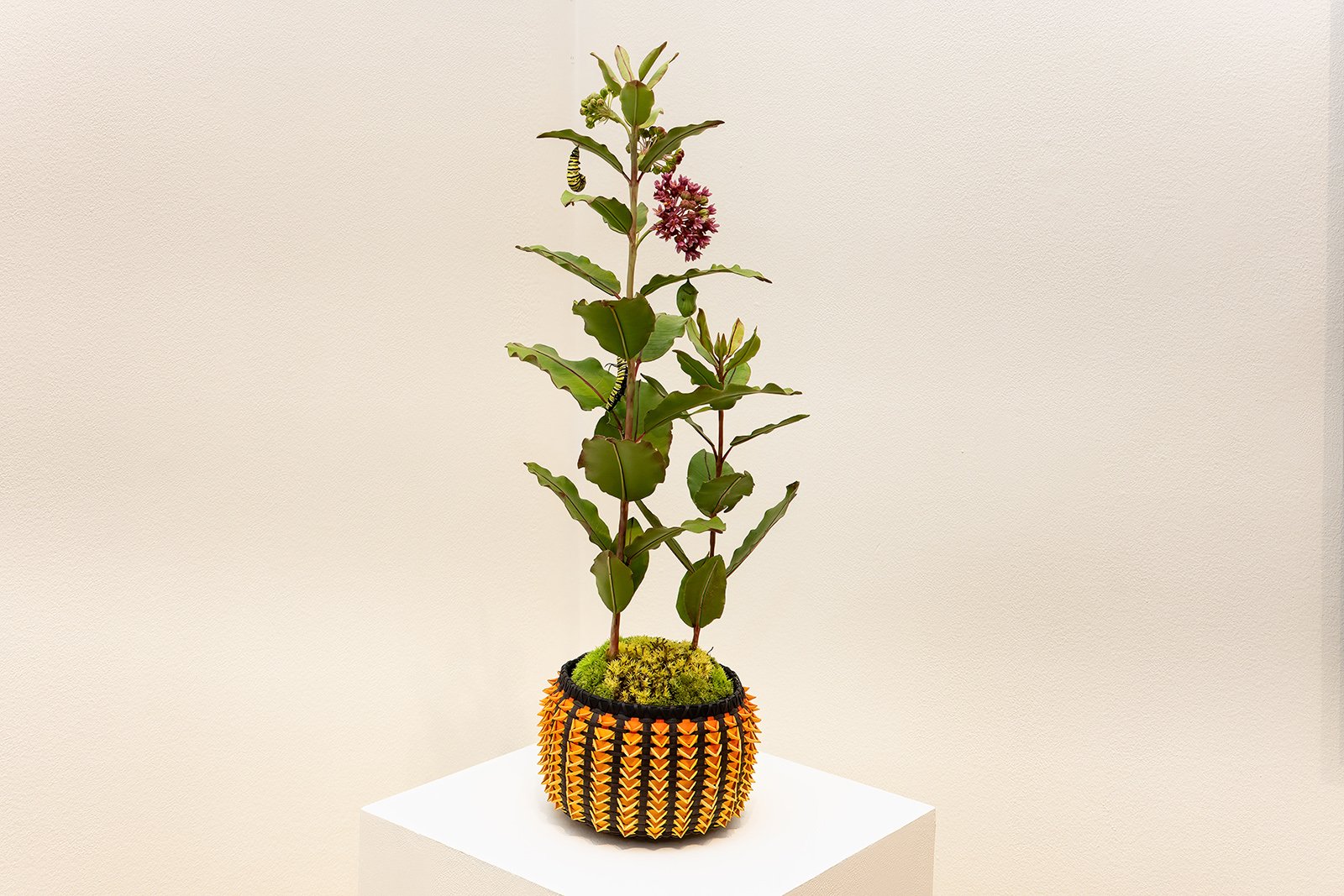
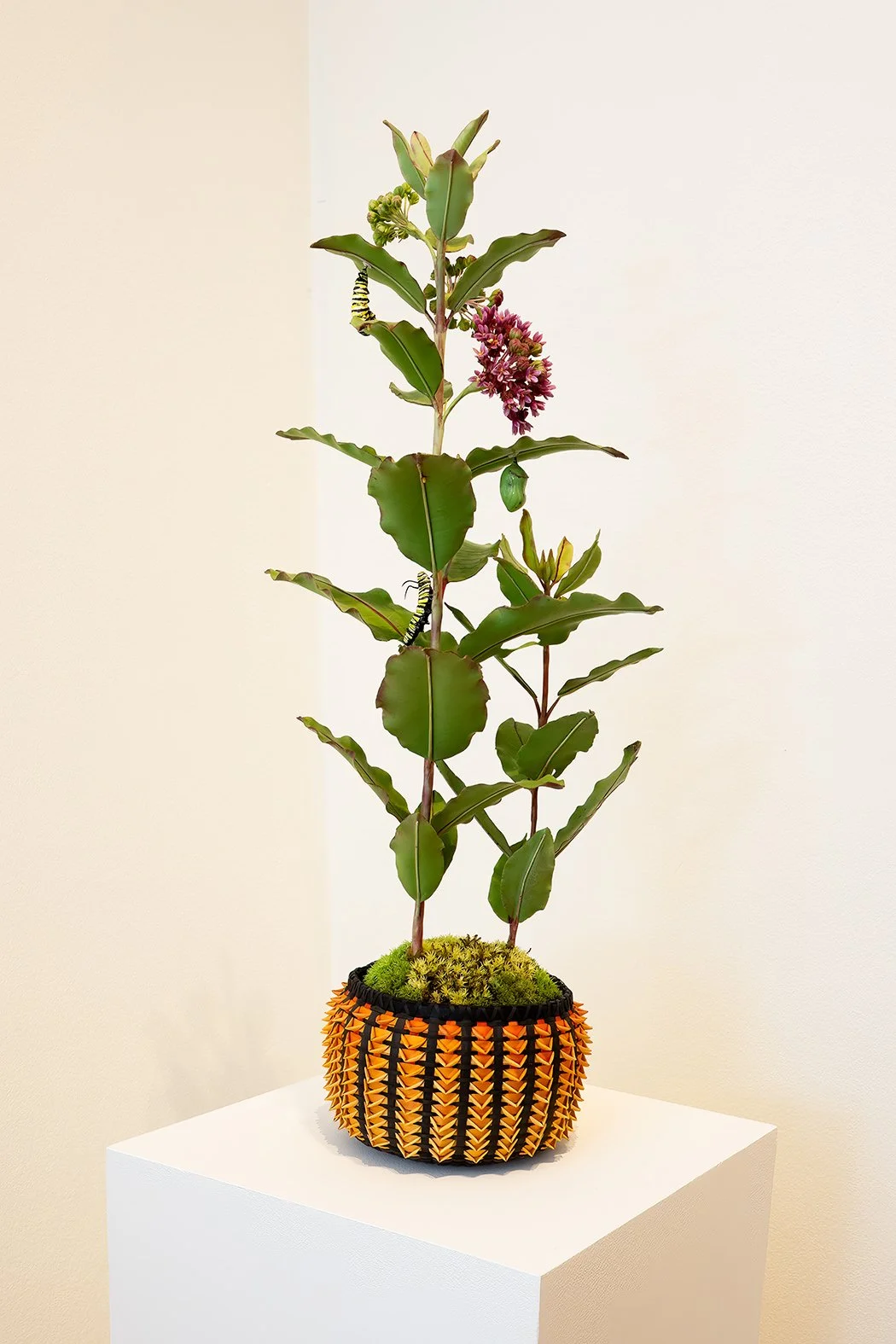
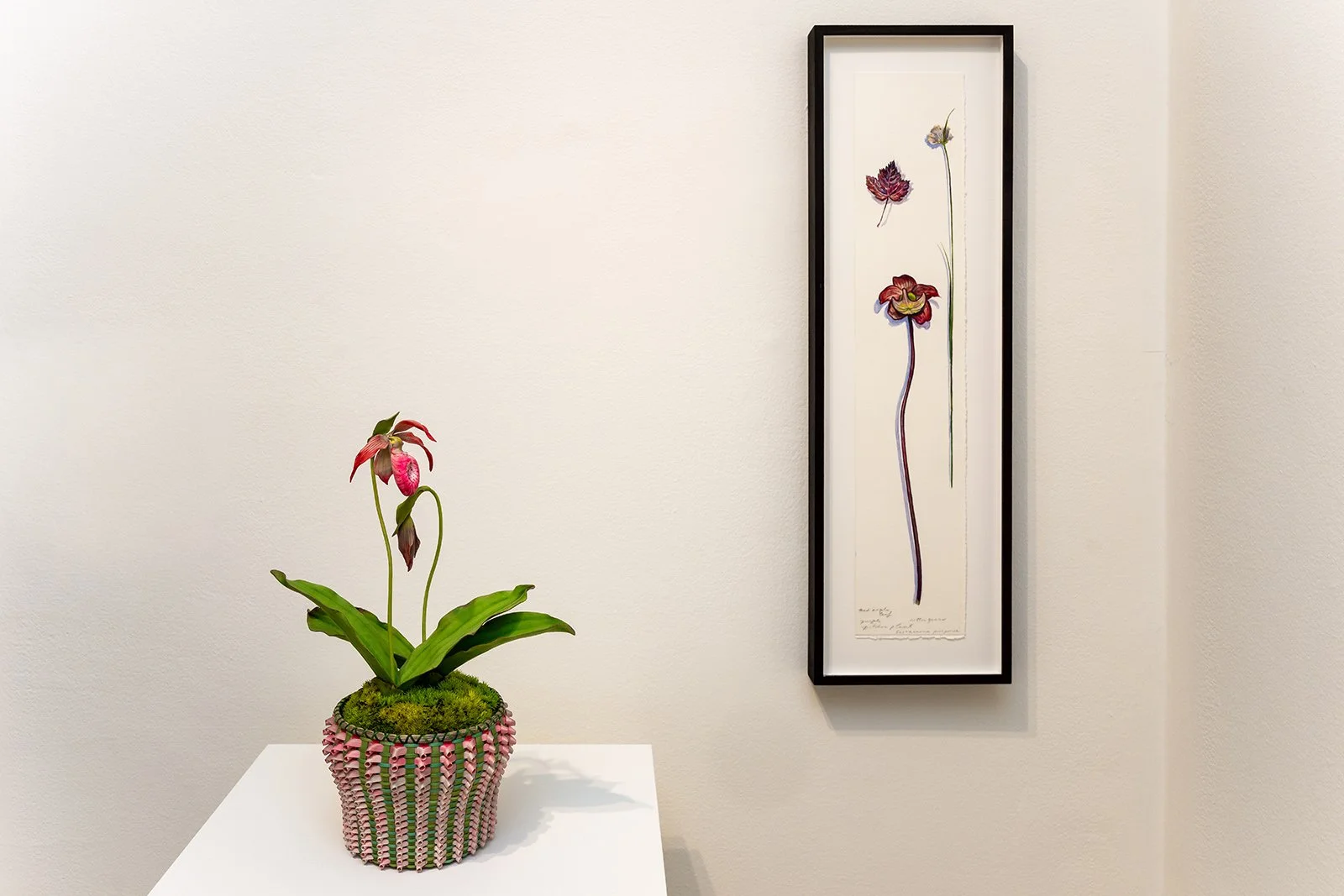
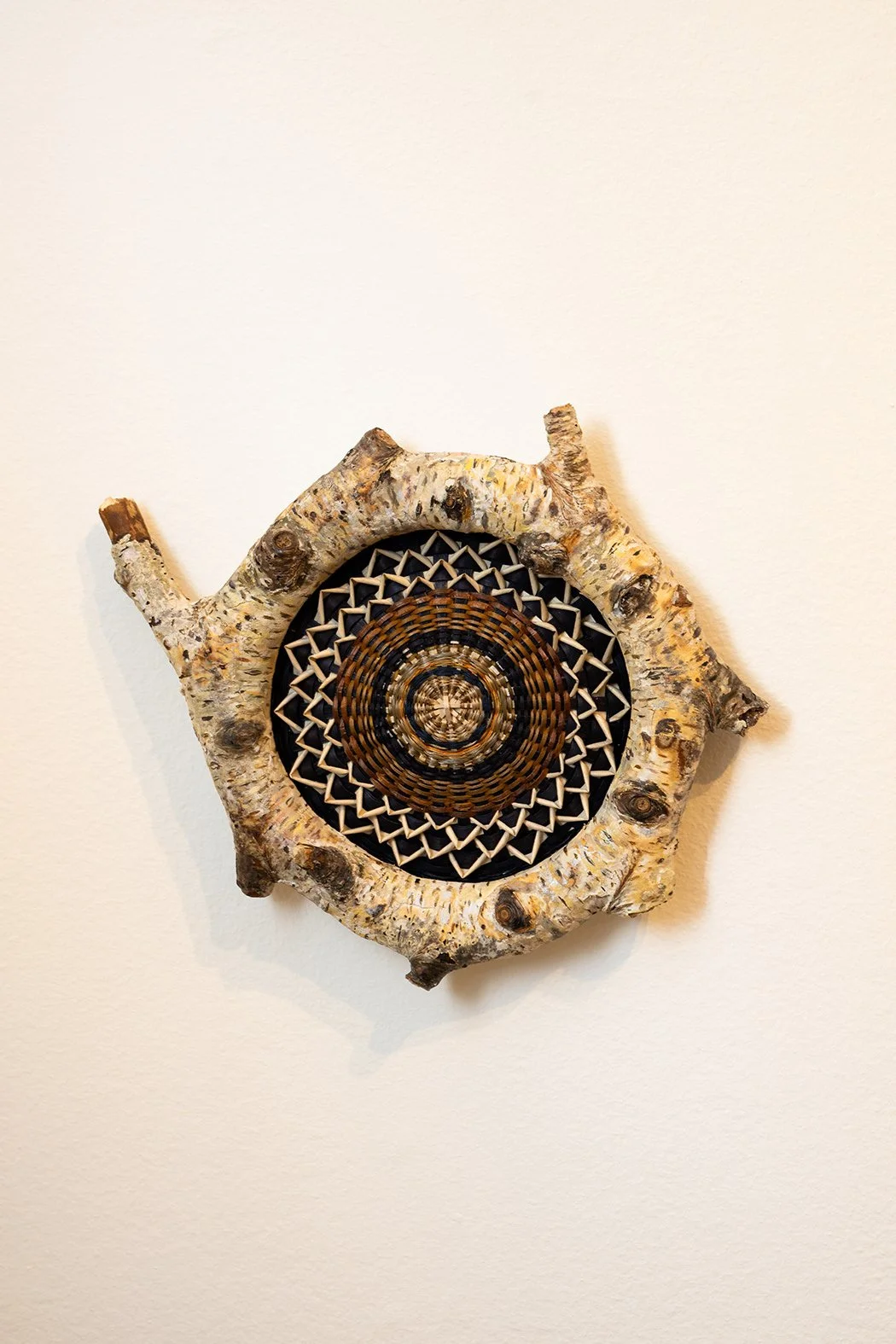
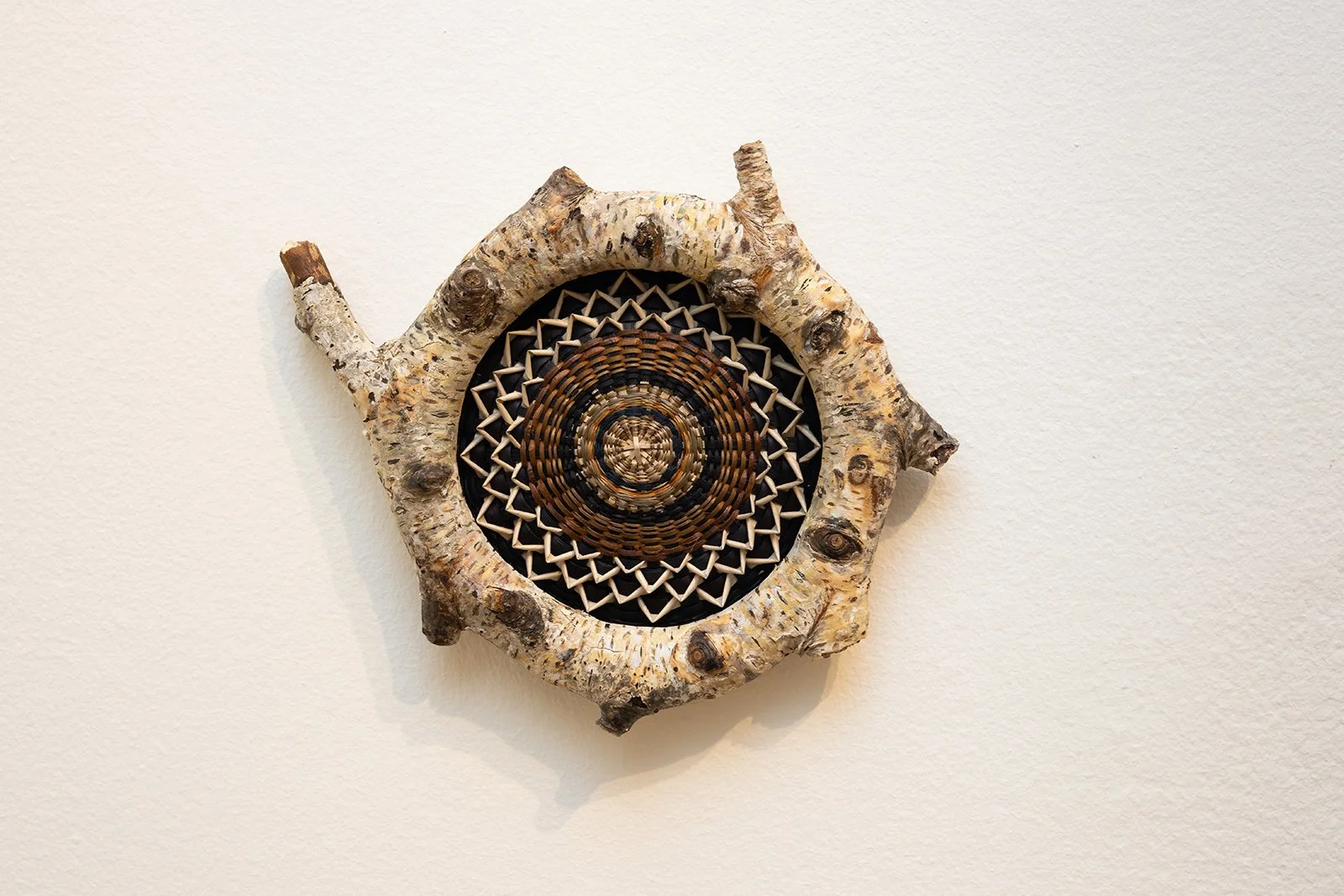
The exhibition also addresses urgent contemporary themes, including climate change, biodiversity loss, and Indigenous land stewardship. A key highlight features three collaborative works with Penobscot artist Sarah Sockbeson, blending intricately woven ash and sweetgrass baskets with Prosek’s sculpted clay flowers—a metaphorical weaving of diverse cultural perspectives.
A Visual Conversation with the Hoppers
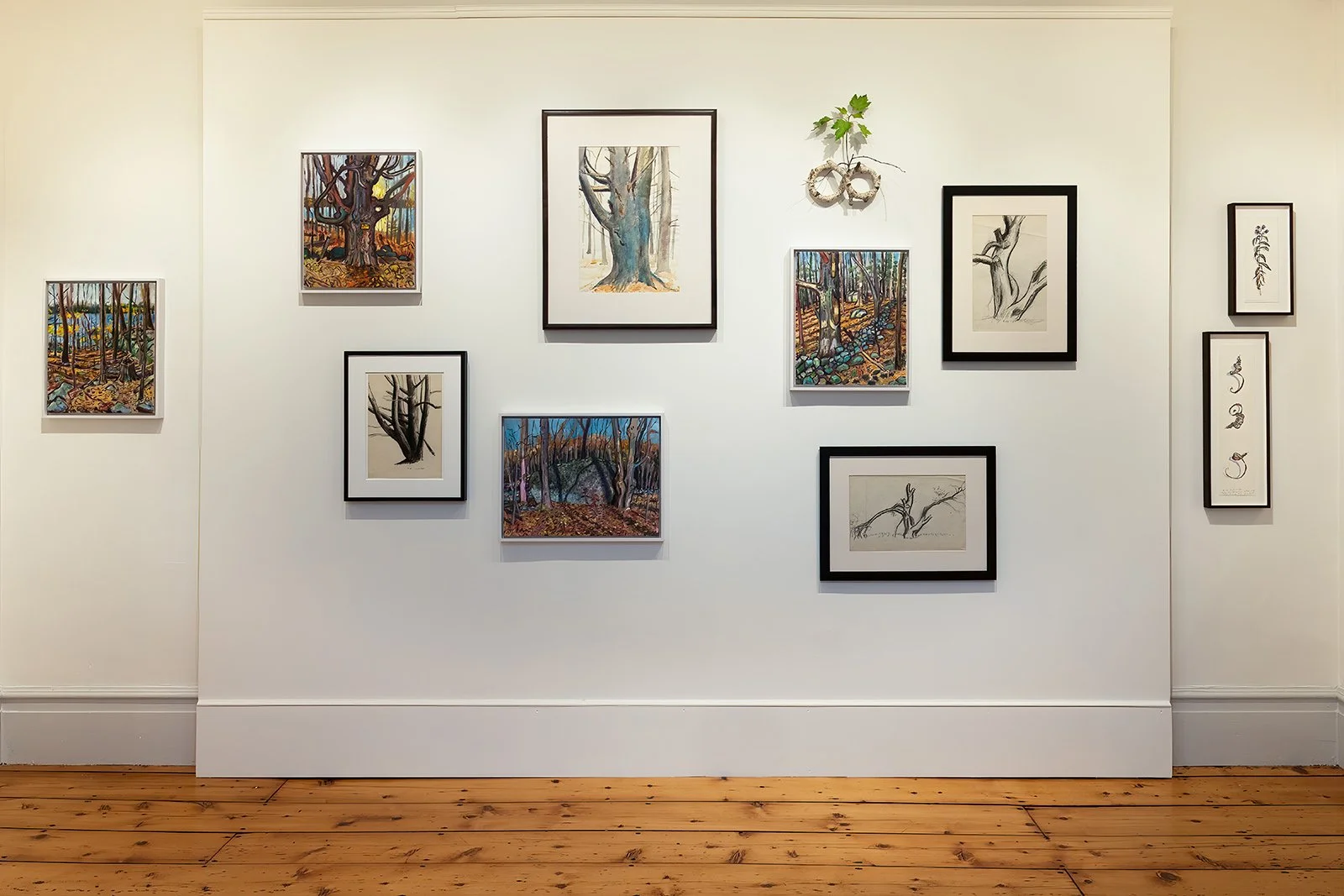
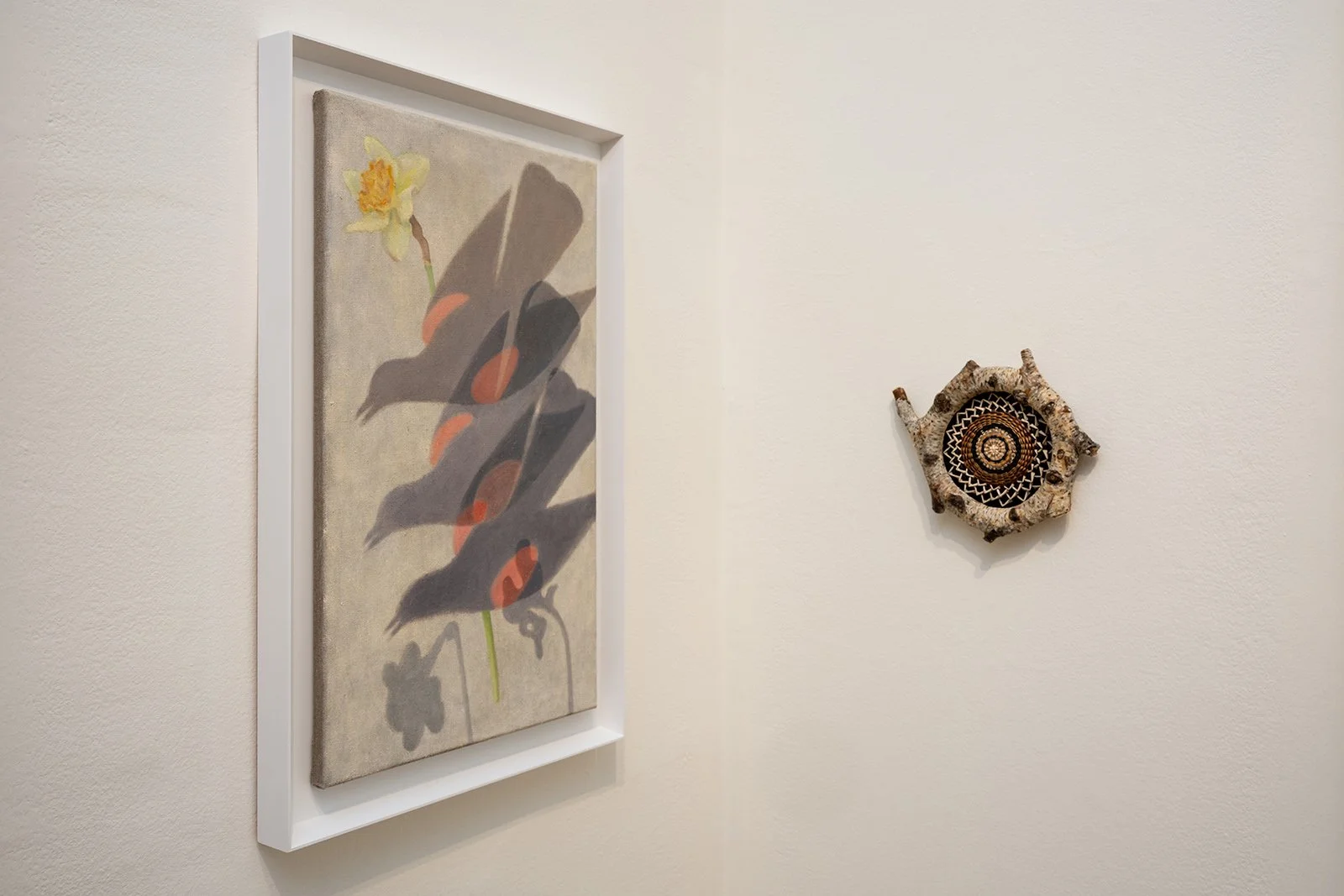
Conceived as a primer to Framing Nature, planned for the Hood Museum at Dartmouth College in 2027, this exhibition is tailored specifically for the Edward Hopper House to create a unique "visual conversation" between Prosek’s contemporary pieces and the historical work of Josephine Nivison Hopper and Edward Hopper.
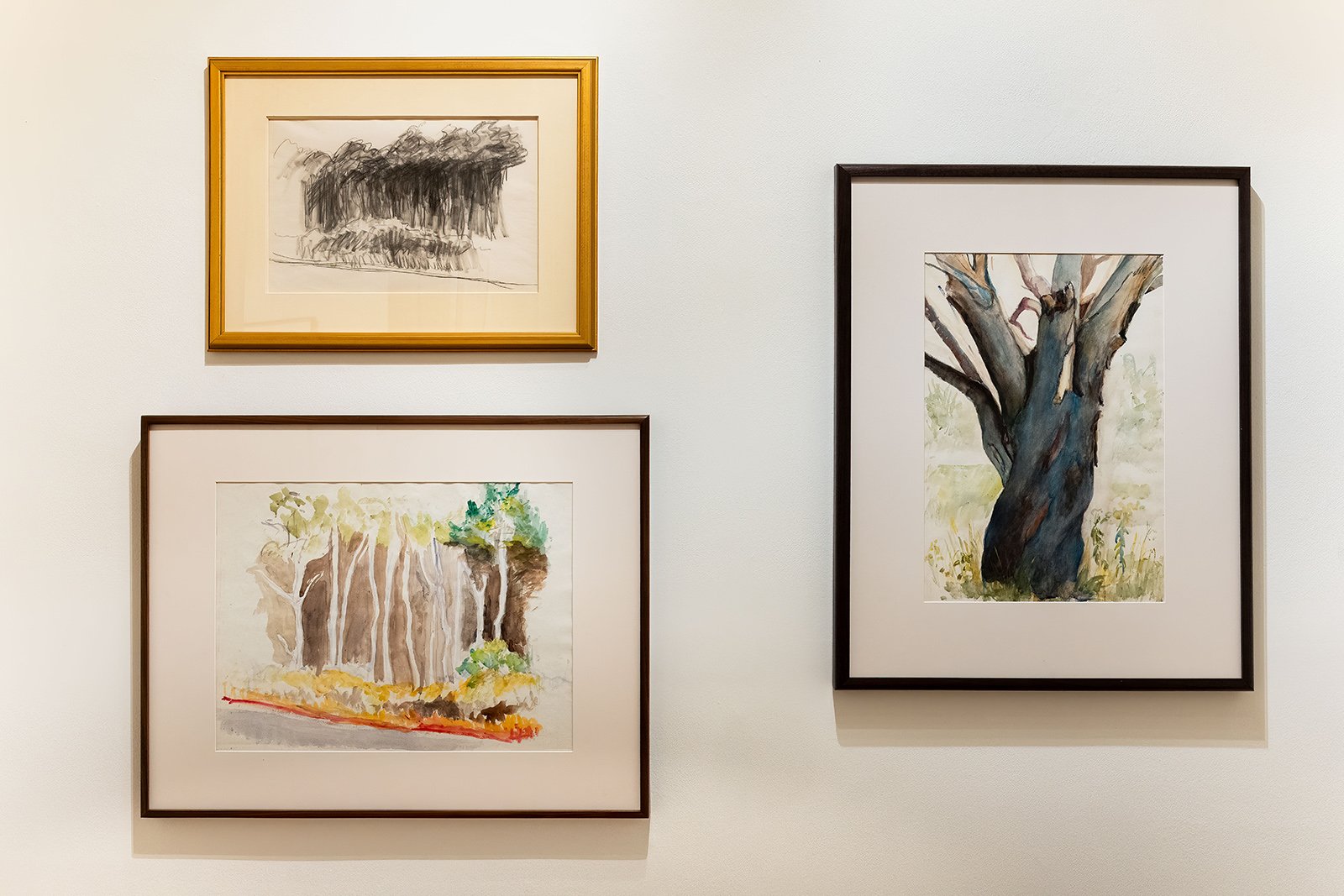
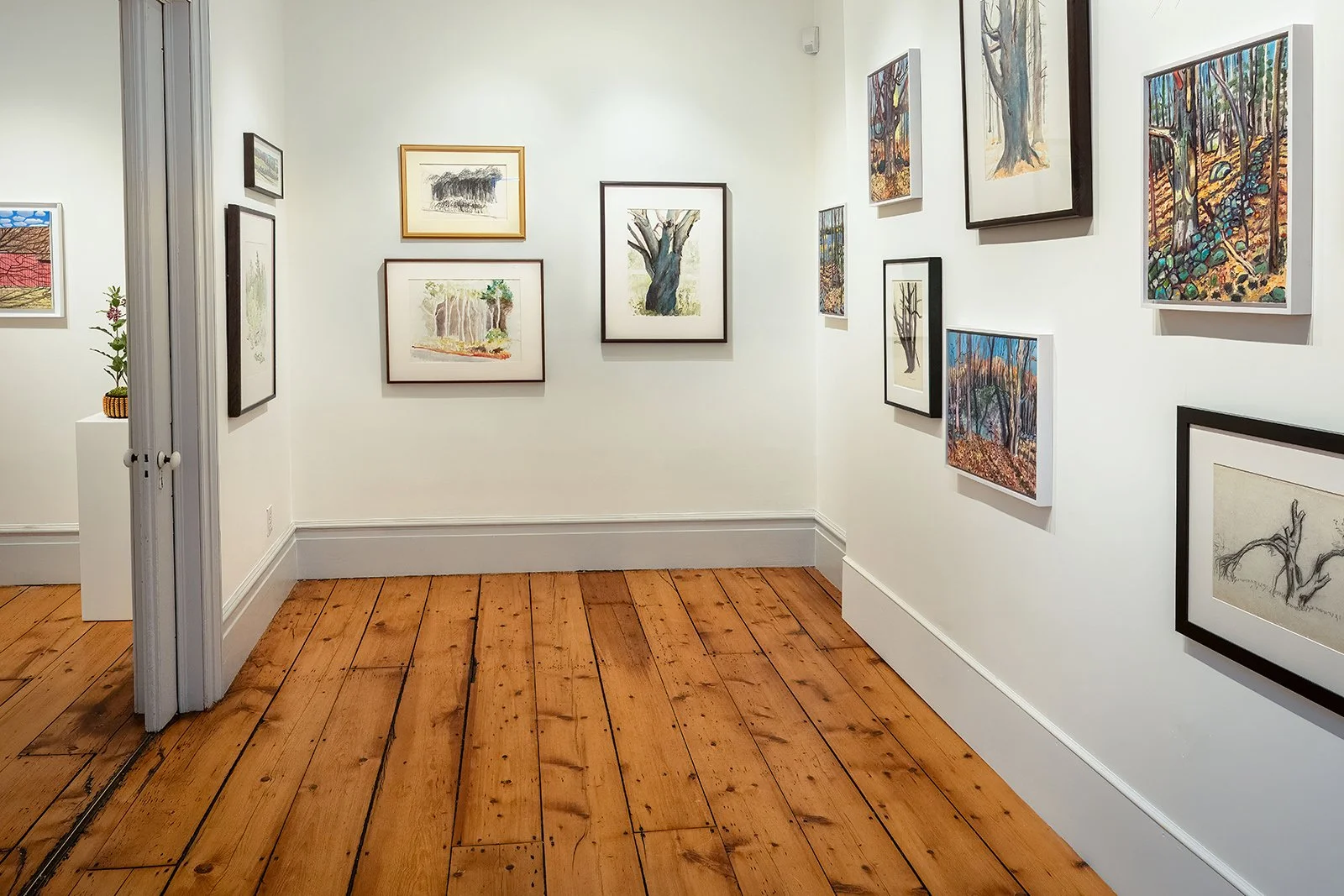
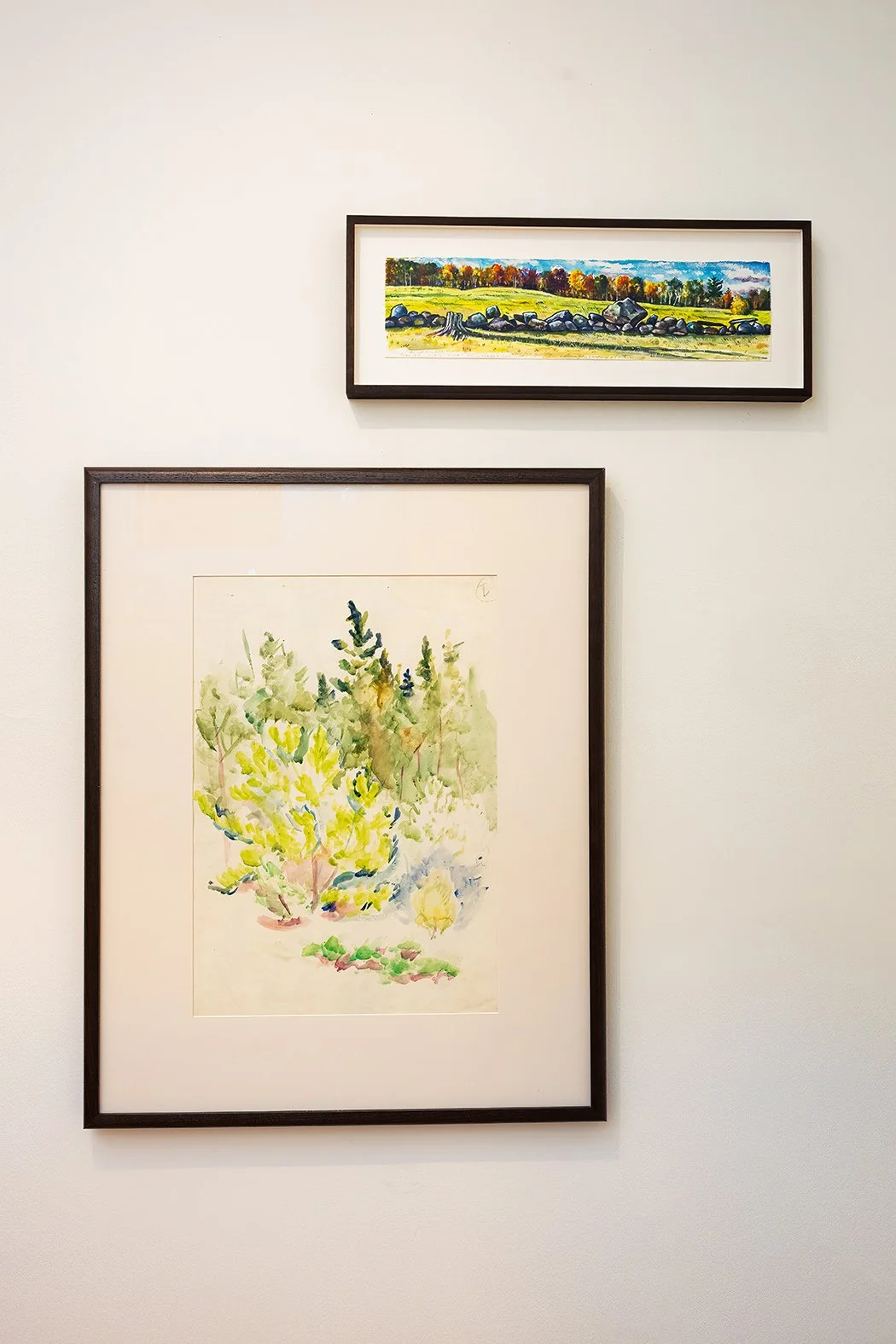
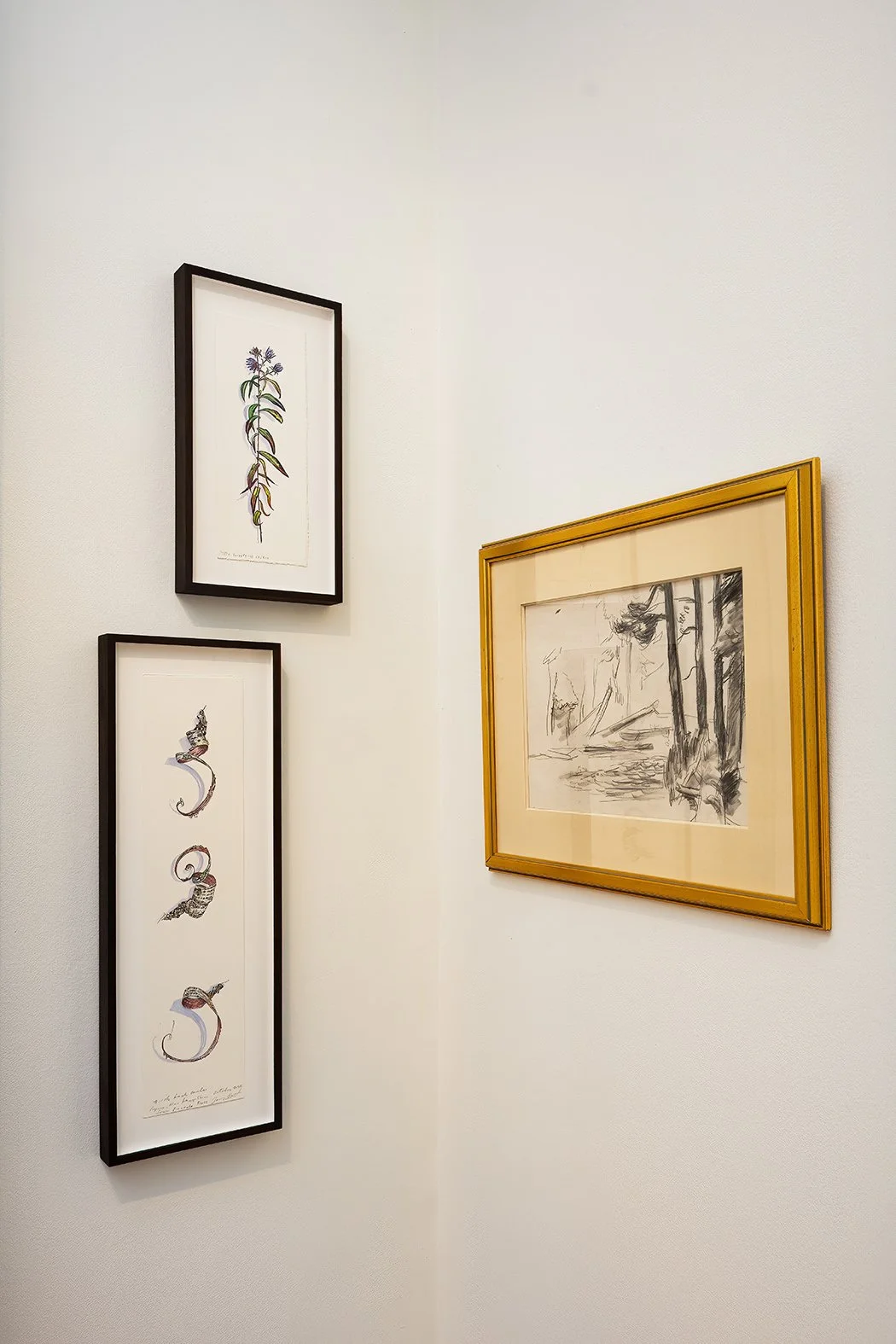
Drawing from loans from the Whitney Museum of American Art, the Provincetown Art Association Museum, private collections and the museum's collection, the exhibition showcases drawings of trees by Edward and Josephine Nivision Hopper in charcoal, graphite, and watercolor. By placing Jo Hopper’s expressive, near-abstract tree portraits alongside Prosek’s fascination with shadows and mark-making, the exhibition highlights the shared legacy of observing and preserving the natural landscape.
"This exhibition fosters interdisciplinary dialogue and engages broader communities. It deepens awareness of local landscapes, environmental challenges, and the reciprocal relationship between humans and nature."
— Kathleen Motes Bennewitz, Executive Director
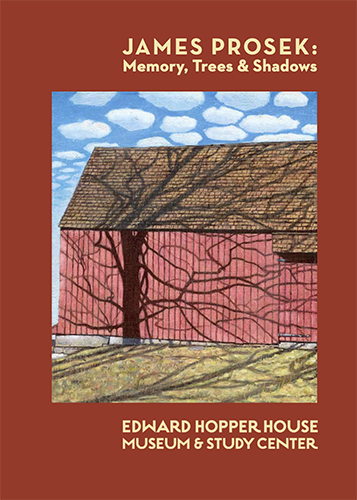
The exhibition is accompanied by a full-color catalog featuring an essay by Carter Foster, Deputy Director for Curatorial Affairs and Curator of Prints and Drawings at the Blanton Museum of Art in Austin, Texas, and a leading scholar of Edward Hopper’s drawings. It will be available in mid May.
Director’s Foreword
In 1971, the founding trustees of today’s Edward Hopper House Museum & Study Center set out to preserve the birthplace of Edward Hopper and transform it into a living legacy. Rechartered as a museum in 2017, we cultivate a community of learning, promote the global legacy of Edward Hopper, and champion contemporary artists inspired by him. In 2026, we are celebrating our 55th anniversary with this exhibition that explores the deep intersections of place, memory, and creativity also rooted in Hopper’s early life and legacy.
The exhibition is uniquely tailored to our landmark site. The Hoppers shared an intertwined artistic journey, frequently painting outdoors side-by-side. “Jo shadowed Edward, and Edward shadowed Jo,” Prosek observes. “Their paintings preserve a memory of place through two different minds—and their mutual presence and absence are part of almost every work they made.” Their works beautifully parallel Prosek’s own plein air landscapes painted near his studio. This shared artistic shadow was literal as well as metaphorical; in her 1933 diary, Jo recalled Edward exclaiming as they drove over the hill to their Truro studio, “‘Look! our house has a shadow!’—and sure enough—a regular long Hopper shadow [was] spreading down the hill.”
The thematic anchor of this exhibition is planted in the space that once served as the Hopper family’s parlor. Here, Prosek features a bronze tree stump from which a cut-steel shadow of a living tree emanates across the original pine floorboards of the house. Through this sculpture, the artist invites audiences to contemplate what persists—in memory and in matter—after loss.
This work directly echoes the physical history of the ‘Hopper House’ itself. Constructed in 1858 from locally forested and milled lumber, the home survives due to the “sweat equity” of preservation-minded volunteers from Nyack and the Rockland community who saved the then vacant and weatherbeaten residence from demolition more than fifty-five years ago. Today, we honor their legacy by connecting to a shared natural and cultural heritage, and inspiring a renewed appreciation for the sense of place that shapes our lives, our histories, and our creative spirits.
Kathleen Motes Bennewitz
Executive Director
Edward Hopper House Museum & Study Center
May 8 – October 4, 2026
James Prosek: Memory, Trees & Shadows — A Visual Conversation with Josephine Nivison Hopper, Edward Hopper, and Sarah Sockbeson
Edward Hopper House Museum & Study Center
82 North Broadway
Nyack, NY 10960